What Is Vibe Marketing and How Will It Change 2025?
TL;DR
Vibe marketing is a new approach that aligns marketing strategies with a business's current state while leveraging AI tools for rapid campaign execution. As traditional channels decline in effectiveness, marketers must adapt by focusing on micro-audiences, personalization, and the integration of creative and technical skills to thrive in this evolving landscape.
Transcript
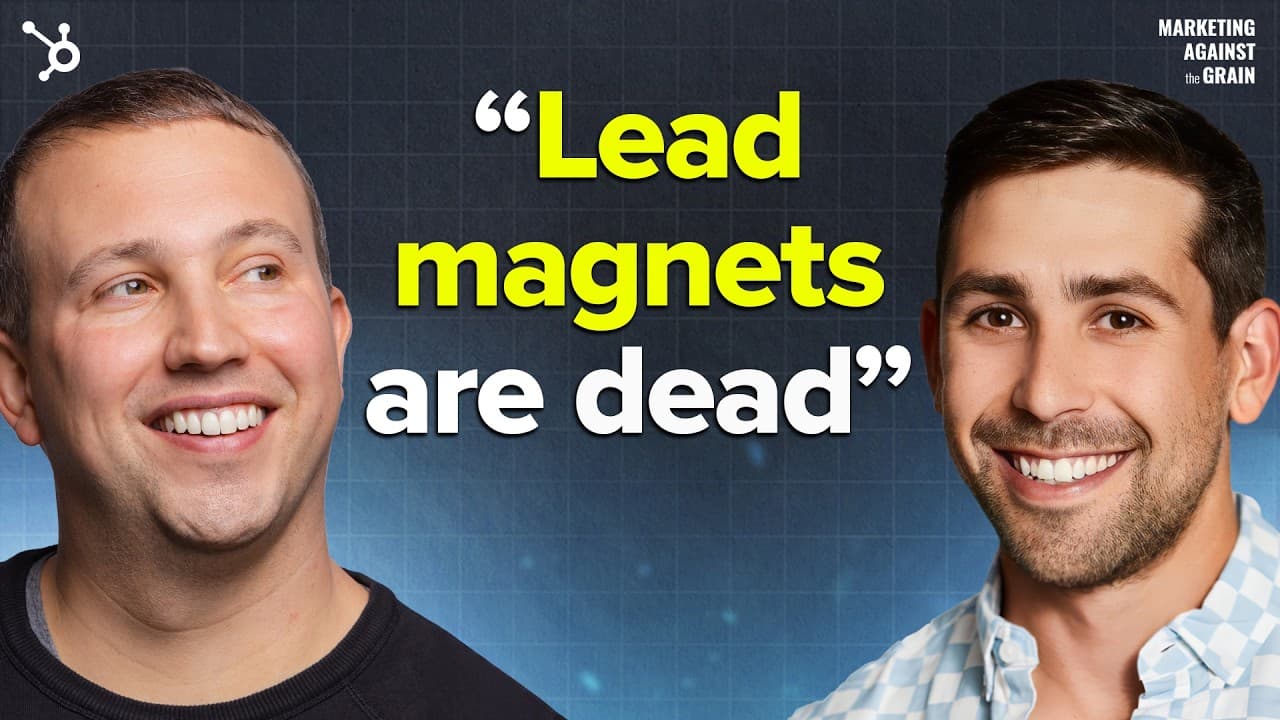
hey everyone on today's show we got the crystal ball We're talking about the future of marketing Every convo I have with a marketer these days is that how marketing isn't working as well especially online marketing the way it used to We're going to talk Vive marketing We're going to say what is the marketing methodology of the future what are the s... Read More
Key Insights
- Vibe marketing is a new approach in the AI era, focusing on aligning marketing strategies with the business's current state and user expectations.
- Traditional marketing channels like Google and email are becoming less effective, prompting marketers to explore new methodologies such as vibe marketing.
- Vibe marketing involves leveraging AI tools for rapid idea execution, enabling marketers to create campaigns quickly and efficiently.
- The concept of vibe marketing emphasizes the importance of aligning product development with marketing strategies to maintain relevance and customer interest.
- AI and automation are reshaping the marketing landscape, making it crucial for marketers to adapt and integrate these technologies into their workflows.
- The future of marketing will prioritize taste, speed, and resonant identity over sheer content volume, highlighting the need for creativity and agility.
- Micro-audiences and personalized experiences are becoming essential, as marketers aim to create tailored content for smaller, specific groups of consumers.
- The evolving marketing landscape requires a shift in skill sets, with a greater emphasis on creativity, technical acumen, and adaptability.
Install to Summarize YouTube Videos and Get Transcripts
Explore YouTube Video Summarizer or Get YouTube Transcript Extractor
Questions & Answers
Q: What is vibe marketing?
Vibe marketing is a new approach in the AI era that focuses on aligning marketing strategies with the business's current state and user expectations. It leverages AI tools for rapid idea execution, enabling marketers to create campaigns quickly and efficiently. This methodology emphasizes the importance of aligning product development with marketing strategies to maintain relevance and customer interest.
Q: How is vibe marketing different from traditional marketing?
Vibe marketing differs from traditional marketing by emphasizing speed, taste, and resonant identity over sheer content volume. It involves using AI tools for rapid idea execution and creating personalized experiences for micro-audiences. Traditional channels like Google and email are becoming less effective, prompting marketers to explore new methodologies that prioritize creativity and agility.
Q: What role does AI play in vibe marketing?
AI plays a crucial role in vibe marketing by enabling rapid idea execution and facilitating personalized experiences for micro-audiences. It allows marketers to create tailored content quickly and efficiently, aligning product development with marketing strategies. AI and automation are reshaping the marketing landscape, making it essential for marketers to adapt and integrate these technologies into their workflows.
Q: What are the key components of a successful vibe marketing strategy?
A successful vibe marketing strategy involves aligning marketing efforts with the business's current state, leveraging AI tools for rapid idea execution, and creating personalized experiences for micro-audiences. It prioritizes speed, taste, and resonant identity over sheer content volume, emphasizing the need for creativity and agility. This approach requires a shift in skill sets, focusing on technical acumen and adaptability.
Q: How can marketers adapt to the changes brought by vibe marketing?
Marketers can adapt to the changes brought by vibe marketing by embracing AI tools and automation, focusing on creativity and agility, and aligning product development with marketing strategies. They should prioritize speed, taste, and resonant identity over sheer content volume and create personalized experiences for micro-audiences. This requires a shift in skill sets, emphasizing technical acumen and adaptability.
Q: What challenges do marketers face in implementing vibe marketing?
Marketers face several challenges in implementing vibe marketing, including adapting to new AI tools and automation, creating personalized experiences for micro-audiences, and aligning product development with marketing strategies. They must also prioritize speed, taste, and resonant identity over sheer content volume, which requires a shift in skill sets and a focus on creativity and agility.
Q: How does vibe marketing impact the role of marketers?
Vibe marketing impacts the role of marketers by requiring them to adapt to new AI tools and automation, focus on creativity and agility, and align product development with marketing strategies. It emphasizes speed, taste, and resonant identity over sheer content volume, necessitating a shift in skill sets towards technical acumen and adaptability. Marketers must also create personalized experiences for micro-audiences.
Q: What skills are essential for marketers in the vibe marketing era?
In the vibe marketing era, essential skills for marketers include adaptability, creativity, technical acumen, and the ability to leverage AI tools and automation. They must focus on aligning product development with marketing strategies, creating personalized experiences for micro-audiences, and prioritizing speed, taste, and resonant identity over sheer content volume. This requires a shift in skill sets towards technical proficiency and creative thinking.
Summary & Key Takeaways
-
Vibe marketing is emerging as a significant trend in the AI-driven marketing landscape. It involves aligning marketing strategies with the business's current state and leveraging AI tools for rapid idea execution. Traditional channels like Google and email are becoming less effective, prompting marketers to explore new methodologies.
-
The concept of vibe marketing emphasizes the importance of aligning product development with marketing strategies to maintain relevance and customer interest. AI and automation are reshaping the marketing landscape, making it crucial for marketers to adapt and integrate these technologies into their workflows.
-
The future of marketing will prioritize taste, speed, and resonant identity over sheer content volume. Micro-audiences and personalized experiences are becoming essential, as marketers aim to create tailored content for smaller, specific groups of consumers. This shift requires a change in skill sets, focusing on creativity and technical acumen.
Read in Other Languages (beta)
Share This Summary 📚
Summarize YouTube Videos and Get Video Transcripts with 1-Click
Try YouTube Summary with ChatGPT & Claude or YouTube Transcript Generator
Explore More Summaries from Marketing Against the Grain 📚
Summarize YouTube Videos and Get Video Transcripts with 1-Click
Try YouTube Summary with ChatGPT & Claude or YouTube Transcript Generator