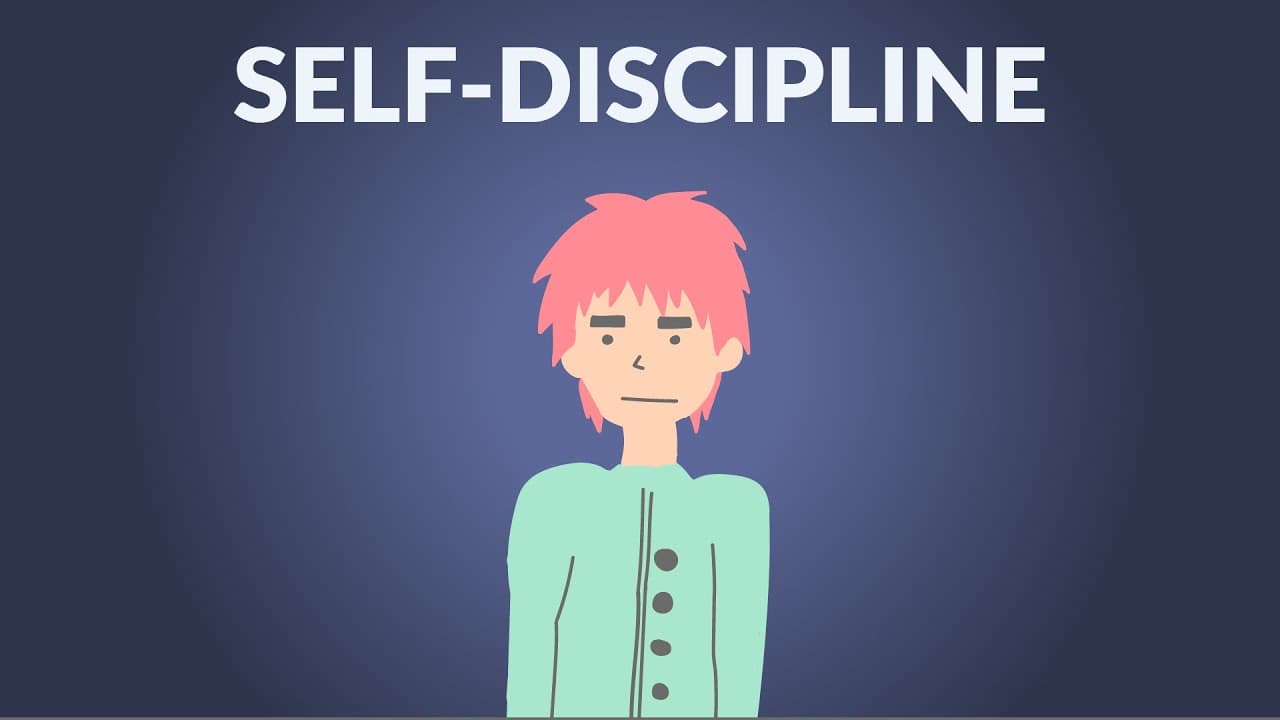
How to Be More Disciplined: Lucas's Story (Animated Short)
TL;DR
Discipline is built by combining three things, according to this animated story: a strong motivating reason why, focusing willpower on one activity at a time until it becomes a habit, and pre-planning for temptation with the if-then technique. Lucas, who lost his mother and had to raise his younger sister, started with a single janitor job, then added cooking, then school, and graduated college with honors. The details below show how each step worked.
Transcript
oh Meet Lucas. He's a young man about to enter college He's at a difficult life growing up with his only parent his mother and his younger sister Due to his difficulties in facing his adversities. He's lived a fairly unhealthy life and constantly indulges in partying drinking and smoking One day his mother got quite sick and was rushed to the emerg... Read More
Key Insights
- 💪 A strong motivating reason why can provide an individual with the willpower and determination to overcome challenges and create positive change.
- 🏃 Turning activities into habits reduces the amount of willpower needed, making discipline sustainable in the long run.
- 🌱 Planning for temptations in advance, using techniques like the if-then strategy, can help individuals resist peer pressure and maintain discipline.
- 💪 Discipline, like a muscle, can be strengthened and improved through consistent practice.
- 😀 Facing adversity can be a catalyst for personal growth and transformation.
- 😫 Taking on responsibilities and setting goals can drive individuals to develop discipline and achieve success.
- ⚖️ Discipline is essential in balancing multiple tasks and responsibilities effectively.
Install to Summarize YouTube Videos and Get Transcripts
Explore YouTube Video Summarizer or Get YouTube Transcript Extractor
Questions & Answers
Q: How do you become more disciplined?
The story identifies three things that made Lucas disciplined. First, a strong motivating reason why, which studies cited in the video say lets people tap into willpower reserves they otherwise could not access. Second, spending self-discipline on one singular activity at a time and turning it into a habit before moving to the next. Third, pre-planning responses to temptation with the if-then technique.
Q: How did Lucas develop discipline in his life?
After his mother died, Lucas took a full-time job as a janitor over summer break to provide for himself and his younger sister, and focused only on going to work every day. Once that became a habit, he added cooking healthy dinners and preparing next-day breakfasts, and later added attending class daily after rolling his hours back to part-time. He kept that routine through college, graduated with honors, landed a good-paying job, and eventually put his sister through college too.
Q: What is the if-then technique for resisting temptation?
It is a pre-planned decision of self-control made before the temptation arrives. Lucas decided in advance that if his friends asked him to go out and party, then he would tell them he had to tutor his sister and cook dinner. Because the response was already decided, he did not have to spend willpower resisting in the moment. The video recommends it for situations you can anticipate, especially when your willpower may be low.
Q: Why is a strong reason why important for self-discipline?
It acts as a north star. When his mother passed, Lucas's reason was to become the man of the house and take care of his younger sister, which the video describes as literally do or die. Studies mentioned in the video show a strong motivating reason why lets people access willpower reserves they might not otherwise reach.
Q: Is willpower unlimited if your motivation is strong enough?
No. The video notes that studies also show a strong motivating reason why may act only as a buffer or temporary boost, and that willpower still has a finite limit. The example given is that if Lucas had tried to work a part-time job, care for his sister, get a perfect 4.0 GPA, and learn guitar all at once, it would have been difficult if not impossible no matter how strong his reason was.
Q: Why should you build discipline one habit at a time?
Because when an activity becomes a habit, it drains far less willpower, which frees your self-discipline for the next thing. Lucas focused only on working every day, and once that was a habit he directed his discipline to cooking, then to school. The video says the first habit can be as simple as drinking water every day or making your bed every morning.
Q: How do you handle peer pressure while trying to change your habits?
Lucas's friends represented a temptation back to an easier life with less responsibility. Two things let him overcome it: his strong reason why, and his pre-planned if-then response of saying he had to tutor his sister and cook dinner. He also chose not to tell his friends he was working as a janitor.
Q: Can self-discipline actually be improved over time?
Yes. The video cites studies showing that practicing self-discipline increases self-discipline in subsequent acts, and compares it to a muscle that gets stronger with use. Lucas's progression from a single job, to cooking, to full-time classes illustrates that build-up in practice.
Summary & Key Takeaways
-
Lucas's mother falls ill and passes away, leaving him responsible for his younger sister and pushing him to take on a full-time job as a janitor to provide for them.
-
He establishes a routine of working, cooking healthy meals, and attending classes while maintaining his discipline and focus.
-
Lucas puts himself through college, graduates with honors, lands a good-paying job, and ultimately supports his sister's education as well.
Read in Other Languages (beta)
Share This Summary 📚
Summarize YouTube Videos and Get Video Transcripts with 1-Click
Try YouTube Summary with ChatGPT & Claude or YouTube Transcript Generator
Explore More Summaries from Freedom in Thought 📚
Summarize YouTube Videos and Get Video Transcripts with 1-Click
Try YouTube Summary with ChatGPT & Claude or YouTube Transcript Generator