Avi Patel on Selling Human Data to AI Labs
TL;DR
Kled pays people to contribute private, consented data, then cleans, anonymizes, classifies, and sells rights-cleared datasets to AI labs and technology companies. Avi Patel argues that private camera-roll content can provide training material unavailable on the already-scraped public internet, but Kled must overcome difficult fraud detection, privacy protection, data-quality, and defensibility challenges.
Transcript
I had the FBI investigating me for six months because I accidentally hired two North Koreans at the company. [laughter] Um, like go back. No, no, no, no, no. You're not gonna you're not gonna Welcome back to the cab table, sir. >> This is uh, you know, part of our New York trip series. We've just been bouncing from founder to founder. Founder hoppi... Read More
Key Insights
- Kled is a marketplace that lets individuals upload personal data and receive payment, while the company packages those contributions for AI labs and technology businesses working across robotics, foundation models, and other sectors.
- Private camera-roll data is valuable because it is not indexed on the public internet, allowing model developers to access training material beyond the online sources that Patel says have already been extensively scraped.
- Rights-cleared data is Kled’s central selling point, because contributors consent to having their information sold and AI companies can purchase cleaner datasets with less legal exposure than material collected without explicit permission.
- Data cleaning is a major operational burden, because Kled must classify files, detect fraud, remove sensitive background information, and obscure people who should not appear in a delivered dataset with what Patel describes as complete accuracy.
- Fraud can include repeated images of the same subject, AI-generated pictures, plagiarized internet content, irrelevant responses to collection tasks, and manipulated identity documents, all of which reduce the usefulness and reliability of contributed data.
- Kled banned users in Nigeria after Patel says the company experienced a 95% fraud rate there over several months and lost a couple hundred thousand dollars through payouts that its detection systems failed to catch.
- Kled’s scale grew quickly according to Patel, who says the platform processed more than 1.2 billion files in five months, receives five million uploads daily, and reached the top App Store position in multiple countries.
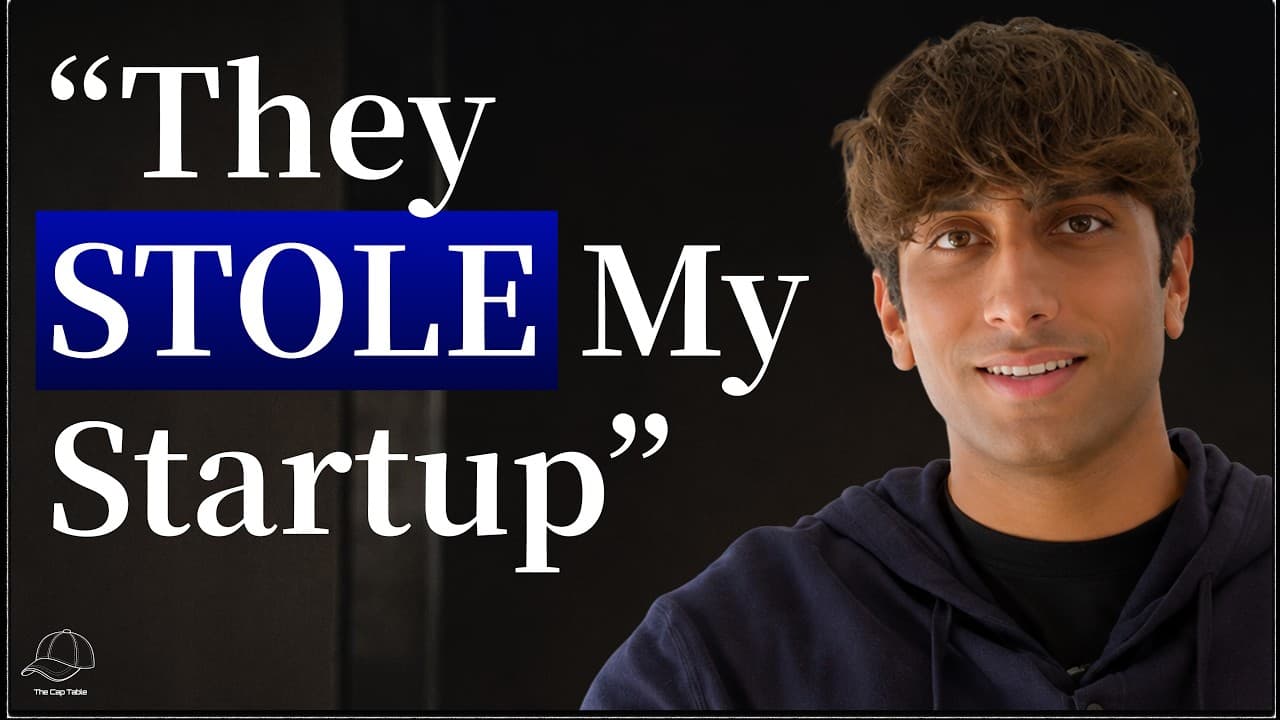
- Kled’s defensibility remains a central question because the description says Luel allegedly copied the company’s presentation, while Patel argues that the difficult parts are building supply, clearing rights, detecting fraud, and delivering clean private datasets.
Install to Summarize YouTube Videos and Get Transcripts
Explore YouTube Video Summarizer or Get YouTube Transcript Extractor
Questions & Answers
Q: How does Kled’s human data marketplace work?
Kled allows people to download its app, upload personal pictures, files, or requested recordings, and receive payment for accepted contributions. The company then classifies, cleans, anonymizes, and packages that material before selling it to AI labs and technology companies. Customers can use the resulting datasets to train robots, AI systems, foundation models, and products in other sectors.
Q: Why do AI companies want private camera-roll data?
Private camera-roll data contains material that is not indexed or publicly available on the internet. Patel argues that the public internet has already been extensively scraped, so additional model progress will depend on private sources. Camera rolls can therefore expand a training dataset with original images while giving buyers access to information that conventional web collection cannot reach.
Q: What makes rights-cleared AI training data valuable?
Rights-cleared data comes from people who have explicitly consented to its sale and use. Patel says this gives AI labs a cleaner legal basis for training than data gathered without clear permission. He argues that companies preparing for public offerings cannot afford unnecessary legal exposure, making them willing to pay a premium for properly consented and documented datasets.
Q: How does Kled clean and anonymize uploaded data?
Kled must inspect and classify uploaded files, remove sensitive information, and conceal people who should not be included in a purchased dataset. Patel gives examples such as placing a black box over a contributor’s child or removing a visible driver’s license from the background. He describes cleaning and fraud detection as the hardest parts of operating the company.
Q: What types of fraudulent data submissions does Kled reject?
Kled rejects submissions that are duplicated, irrelevant, plagiarized, artificially generated, or tied to manipulated identity checks. Patel cites examples including millions of pictures of the same wall, AI-generated images, pictures copied from the internet, and a foot submitted in response to a request for a haircut video. Such material does not satisfy customer data requirements.
Q: Why did Kled ban users from Nigeria?
Patel says Kled banned Nigeria after experiencing a 95% fraud rate from Nigerian users over several months. The company had about 10,000 users there, including legitimate supporters who helped build early supply, but Patel says widespread fraudulent uploads and identity-verification manipulation made continued access unsustainable. He estimates missed fraud cost the company a couple hundred thousand dollars in payouts.
Q: How large did Kled become after launching its app?
Patel says Kled processed more than 1.2 billion files during the app’s first five months and handled five million uploads per day. He also says the app reached number one in multiple countries and worked with most frontier labs. These are claims made by Patel in the interview, alongside his description of substantial cleaning and verification demands.
Q: What happened between Avi Patel, Luel, and General Catalyst?
According to the supplied description, Patel held five meetings with General Catalyst but did not receive its backing. He then watched the firm co-lead a $31 million investment in Luel, a startup he says copied Kled down to its font. Patel publicly named the parties in a response video that received nine million views, while the copying claim remains his allegation.
Summary & Key Takeaways
-
Avi Patel describes Kled as a human data marketplace where people upload personal pictures, files, and requested recordings in exchange for payment. Kled packages the contributions for AI labs and technology companies, with its central value proposition resting on private, rights-cleared data that users have explicitly consented to sell.
-
Data preparation is portrayed as Kled’s hardest operational challenge. The company must detect plagiarized or AI-generated submissions, reject irrelevant responses, verify contributors, classify large volumes of files, and anonymize sensitive details. Patel says these safeguards are necessary to produce clean datasets that customers can use without unnecessary legal exposure.
-
Patel also discusses public controversies surrounding Kled, including banning Nigeria after claiming a sustained 95% fraud rate, prior crypto allegations, and his dispute with Luel and General Catalyst. According to the description, he publicly alleged that Luel copied Kled and criticized investors after they co-led a $31 million financing.
Read in Other Languages (beta)
Share This Summary 📚
Summarize YouTube Videos and Get Video Transcripts with 1-Click
Try YouTube Summary with ChatGPT & Claude or YouTube Transcript Generator
Explore More Summaries from The Cap Table 📚


Summarize YouTube Videos and Get Video Transcripts with 1-Click
Try YouTube Summary with ChatGPT & Claude or YouTube Transcript Generator