7 Surprising Habits That Are Giving You Anxiety
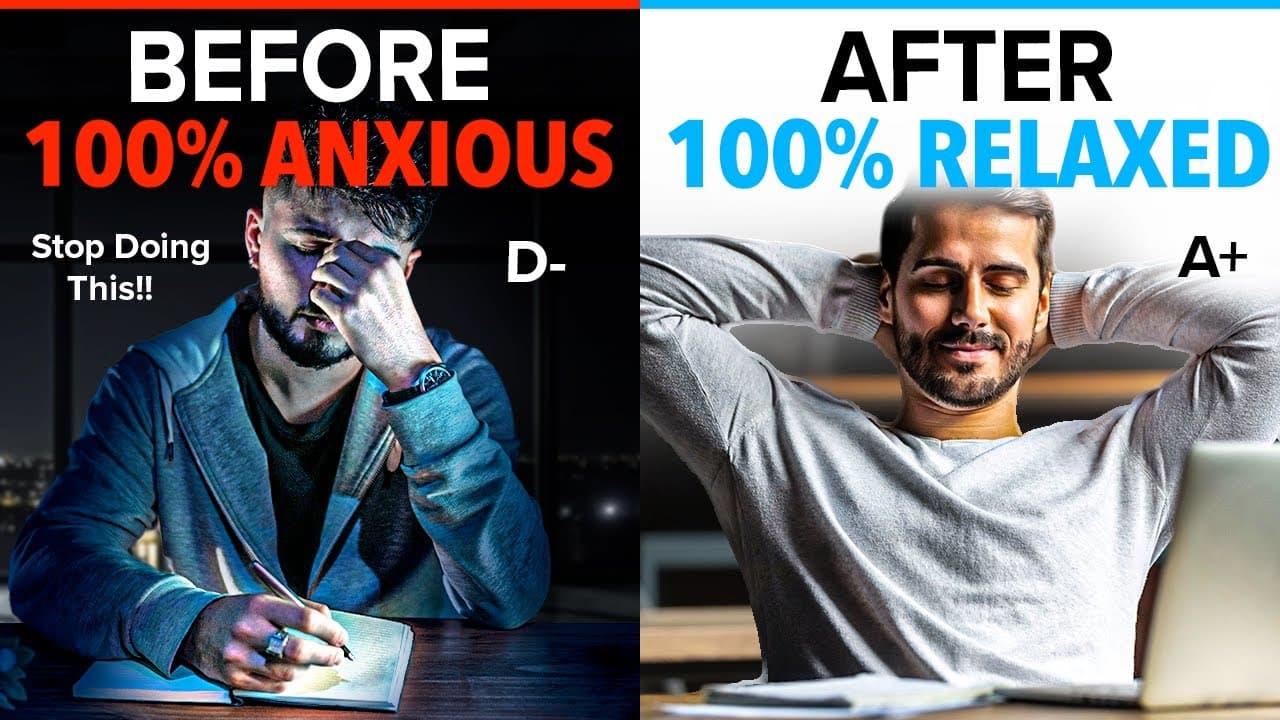
TL;DR
Chronic bad sleep habits, excessive caffeine consumption, over-scheduling yourself, never taking time off, negative self-talk, spending too much time on social media, and spending too much time alone can all contribute to increased anxiety levels.
Transcript
how often do you pay attention to your habits habits are pretty easy to overlook because habits are typically performed without much thought today i want to talk with you about seven habits that could be giving you anxiety these are habits that you might engage in every day without even realizing it these are habits that can increase your stress le... Read More
Key Insights
- 😪 Chronic bad sleep habits can significantly impact mental health and contribute to increased anxiety levels.
- 🥰 Excessive consumption of caffeine can increase heart rate, restlessness, and worsen anxiety symptoms.
- 🥺 Over-scheduling oneself and not taking breaks can lead to excessive stress and overwhelm, ultimately causing anxiety.
- 🤳 Persistent engagement with negative self-talk can make anxiety worse.
- 🥺 Spending too much time on social media can lead to increased stress and anxiety due to comparison and a constant need for validation.
- 🆘 Isolating oneself can also worsen anxiety symptoms, while maintaining social support can help alleviate them.
- 😨 Implementing self-care activities and coping mechanisms like distractions and mindfulness can offer practical solutions to anxiety.
Install to Summarize YouTube Videos and Get Transcripts
Explore YouTube Video Summarizer or Get YouTube Transcript Extractor
Questions & Answers
Q: How does lack of sleep impact anxiety?
Research has consistently shown that not getting enough sleep can significantly impact how you feel and can contribute to increased anxiety levels. It is important to prioritize and maintain a consistent sleep schedule to improve sleep habits.
Q: Can excessive caffeine consumption increase anxiety symptoms?
Yes, caffeine is a stimulant that can increase heart rate and alertness. While moderate caffeine consumption may have health benefits, too much caffeine can negatively impact sleep, restlessness, and worsen anxiety symptoms. It is advisable to limit caffeine intake and be mindful of daily consumption.
Q: How does over-scheduling contribute to anxiety?
Over-scheduling oneself leads to excessive stress and overwhelm, which can be a triggering factor for anxiety. It is important to be honest with oneself and others about realistic commitments and to schedule breaks throughout the day to avoid burnout.
Q: How does spending too much time on social media increase anxiety?
Constantly engaging with social media can lead to higher stress levels. Comparing oneself to others, feeling the need for constant validation through notifications, and wondering if one is doing enough can all contribute to anxiety. Limiting social media usage can positively impact mental health.
Summary & Key Takeaways
-
Not getting enough sleep can significantly impact how you feel and contribute to increased anxiety levels.
-
Consuming too much caffeine can also increase anxiety symptoms, as caffeine is a stimulant that can affect sleep and restlessness.
-
Over-scheduling yourself and not taking breaks can lead to excessive stress and overwhelm, ultimately leading to anxiety.
-
Additionally, never taking time off, engaging in negative self-talk, spending too much time on social media, and isolating oneself can also contribute to higher anxiety levels.
Read in Other Languages (beta)
Share This Summary 📚
Summarize YouTube Videos and Get Video Transcripts with 1-Click
Try YouTube Summary with ChatGPT & Claude or YouTube Transcript Generator
Explore More Summaries from Motivation2Study 📚






Summarize YouTube Videos and Get Video Transcripts with 1-Click
Try YouTube Summary with ChatGPT & Claude or YouTube Transcript Generator