How Do I Balance Depressing Literature?
TL;DR
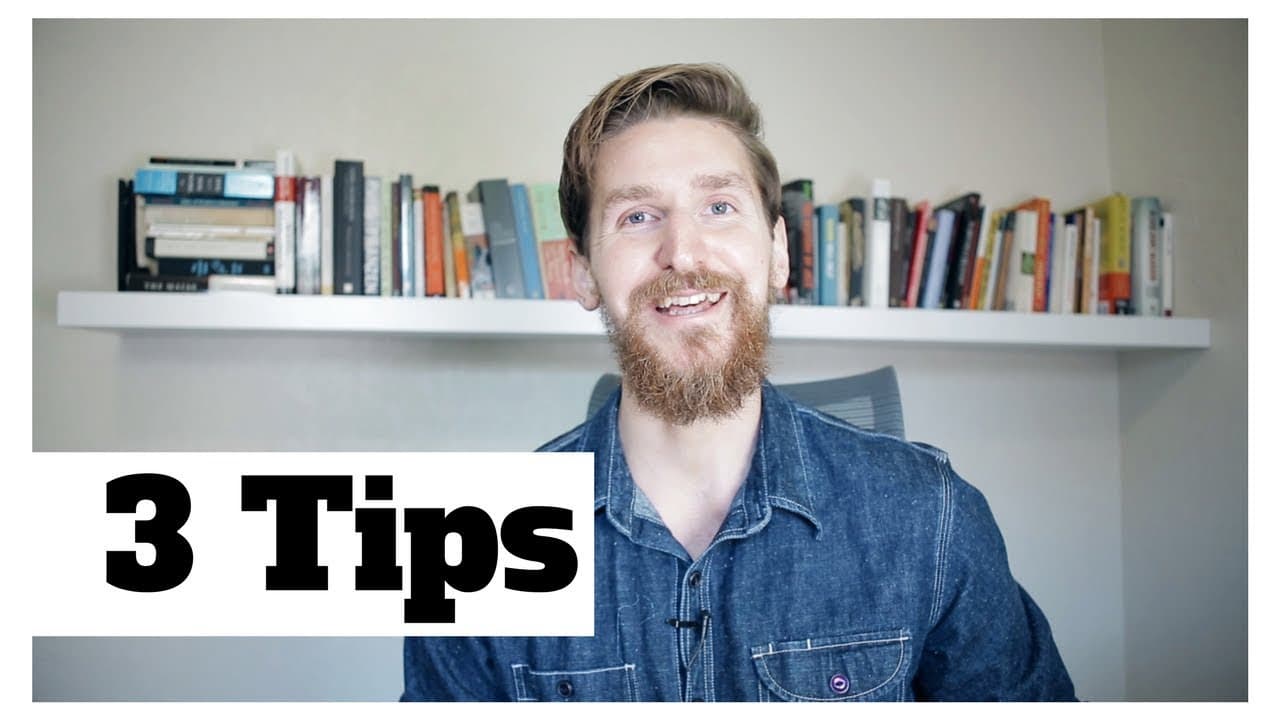
Balance depressing literature by strengthening your critical thinking, examining an author’s intentions, and resisting the automatic acceptance of seductive negative worldviews. Cliff Sargent recommends three considerations and begins with tools such as motivational videos, podcasts, short self-help material, or positive philosophy. Dark books can be fascinating and insightful, but they can also change how you think. Read on for practical cautions about engaging with them.
Transcript
hi everyone welcome to better than for book reviews i'm your host cliff Sargent hope you're doing well a fan of the show recently asked me how I cope with reading dark and depressing books says hey cliff big fan here in your video interview favorite authors death books video I did a while back this interview you mentioned going through a dark perio... Read More
Key Insights
- 🫠 Balance reading dark literature with motivational content and critical thinking.
- 📔 Avoid using depressing books to validate negative behaviors and worldviews.
- 😈 Confronting evil and darkness in literature can foster empathy and self-awareness.
- 🕶️ Monitor emotional responses to dark literature to maintain mental well-being.
- 🕶️ Seek advice from experienced readers to navigate the complexities of consuming dark literature.
- 🧡 Recognize the value of experiencing a range of emotions through literature for personal growth.
- 🫠 Be cautious of falling into a pattern of validating negative viewpoints through reading habits.
Install to Summarize YouTube Videos and Get Transcripts
Explore YouTube Video Summarizer or Get YouTube Transcript Extractor
Questions & Answers
Q: How do I balance reading dark or depressing literature?
Develop critical thinking skills while exploring challenging books, and do not automatically accept an author’s worldview simply because it seems clever, smart, or charming. Cliff Sargent suggests using motivational videos, podcasts, short self-help material, or positive philosophy to gain tools that make you mentally stronger.
Q: Do I need to stop reading depressing literature completely?
No. Sargent explicitly says readers do not have to swear off depressing literature forever; the goal is to balance exploration of darkness with practices that strengthen the mind.
Q: What is Cliff Sargent’s first tip for reading dark literature?
His first tip is to develop critical thinking skills. He recommends drawing on accessible sources such as motivational YouTube videos, podcasts, short self-help material, and positive philosophy.
Q: Why is critical thinking important when reading bleak novels?
Bleak novels may present seductive negative or cynical viewpoints that are true, partially true, or valuable in some contexts. Critical thinking helps readers examine those ideas instead of accepting them automatically because they are expressed persuasively.
Q: What is the difference between confronting darkness and falling into pessimism?
Sargent distinguishes having the courage to confront dark parts of life and one’s own mind from buying into a pessimistic feedback loop. He describes that loop as a product of fear, resistance, or insecurities.
Q: Why can depressing authors still be enjoyable to read?
Sargent says biting, cynical black comedy can let a reader experience dark feelings and situations without actually harming anyone. He also notes that readers may simply enjoy spending time with a particular writer, even when that writer’s worldview is depressing.
Q: What danger does Sargent identify in becoming absorbed in literature?
Literature’s beauty is that readers can lose themselves in it, but Sargent says this is also its danger. A book can change a person, so readers should be careful when entering a morose, morbid, or transgressive viewpoint.
Q: How should I evaluate an author’s negative worldview?
Do not be overly agreeable or quick to adopt the worldview, especially when the material is morose, morbid, or transgressive. Sargent recommends trying to determine the intention of the person behind the page while remaining willing to engage with conflicting ideas.
Summary & Key Takeaways
-
Cliff Sargent discusses how to balance reading dark and depressing literature, emphasizing the importance of critical thinking skills.
-
He warns against using depressing literature to validate negative behavior and highlights the value of confronting evil and darkness.
-
Sargent suggests that while indulging in depressing literature can be enriching, it's crucial to maintain a balance for mental well-being.
Read in Other Languages (beta)
Share This Summary 📚
Summarize YouTube Videos and Get Video Transcripts with 1-Click
Try YouTube Summary with ChatGPT & Claude or YouTube Transcript Generator
Explore More Summaries from Better Than Food 📚




Summarize YouTube Videos and Get Video Transcripts with 1-Click
Try YouTube Summary with ChatGPT & Claude or YouTube Transcript Generator