Nietzsche - Don’t Let Your Darkness Consume You
TL;DR
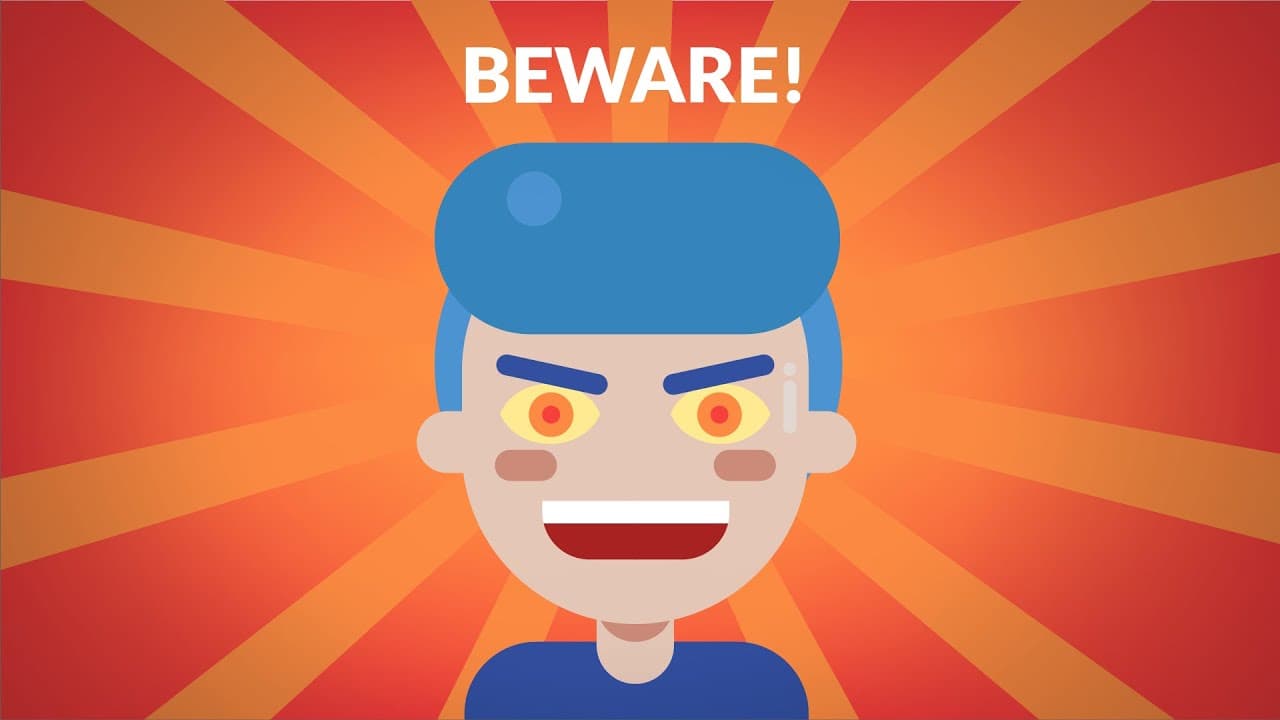
Resentment is a toxic emotion that stems from a sense of entitlement and can lead to frustration and destructive behaviors.
Transcript
In /On the Genealogy of Morals/, Nietzsche compares the feeling of resentment to a toxin or an illness, because he believes that resentment is anti-life and anti-growth. This is a sentiment I agree with, and it’s an idea I wanna explore for myself. Why do we become resentful, what happens when we become resentful, and how do we prevent ourselves fr... Read More
Key Insights
- ❓ Resentment is a toxic emotion that can have destructive consequences.
- 🚫 It stems from a feeling of entitlement and a belief that others are blocking us from what we feel we deserve.
- 🥺 Resentment leads to personal loss and unhappiness and prevents personal growth.
- 🤩 The key to preventing resentment is to maintain hope and faith in the world.
- 🤞 Resentment is a choice that arises from a voluntary abandonment of hope.
- ✊ Viktor Frankl's experiences in concentration camps illustrate the power of choosing one's attitude and not surrendering to resentment.
- 🦾 Resentment operates similarly in various contexts, indicating that its mechanics are universal.
Install to Summarize YouTube Videos and Get Transcripts
Explore YouTube Video Summarizer or Get YouTube Transcript Extractor
Questions & Answers
Q: What is the root cause of resentment?
Resentment stems from a sense of entitlement and the belief that others are blocking us from what we feel we deserve.
Q: How does resentment affect individuals?
Resentment is anti-life and anti-growth, leading individuals to seek to destroy what they resent and causing them to experience personal loss and unhappiness.
Q: Can resentment be prevented?
Yes, by understanding that there is a place and a way for everyone in the world, and that no one can truly block our path unless we allow them to. This belief can help prevent the build-up of resentment.
Q: Is resentment a choice?
Yes, resentment is a choice that arises from a voluntary abandonment of faith in the world and a rejection of hope. No one can make us resentful except ourselves.
Key Insights:
- Resentment is a toxic emotion that can have destructive consequences.
- It stems from a feeling of entitlement and a belief that others are blocking us from what we feel we deserve.
- Resentment leads to personal loss and unhappiness and prevents personal growth.
- The key to preventing resentment is to maintain hope and faith in the world.
- Resentment is a choice that arises from a voluntary abandonment of hope.
- Viktor Frankl's experiences in concentration camps illustrate the power of choosing one's attitude and not surrendering to resentment.
- Resentment operates similarly in various contexts, indicating that its mechanics are universal.
- Hope is a powerful tool to combat resentment and navigate challenging circumstances.
Summary & Key Takeaways
-
Nietzsche compares resentment to a toxin, arguing that it is anti-life and anti-growth.
-
Resentment arises from a feeling of entitlement and a perceived blockage of what one believes they are entitled to.
-
Resentment leads to a win-lose or lose-lose situation and prevents personal growth.
Read in Other Languages (beta)
Share This Summary 📚
Summarize YouTube Videos and Get Video Transcripts with 1-Click
Try YouTube Summary with ChatGPT & Claude or YouTube Transcript Generator
Explore More Summaries from Freedom in Thought 📚
Summarize YouTube Videos and Get Video Transcripts with 1-Click
Try YouTube Summary with ChatGPT & Claude or YouTube Transcript Generator