How to Invest in Bitcoin Without Chasing the Price
TL;DR
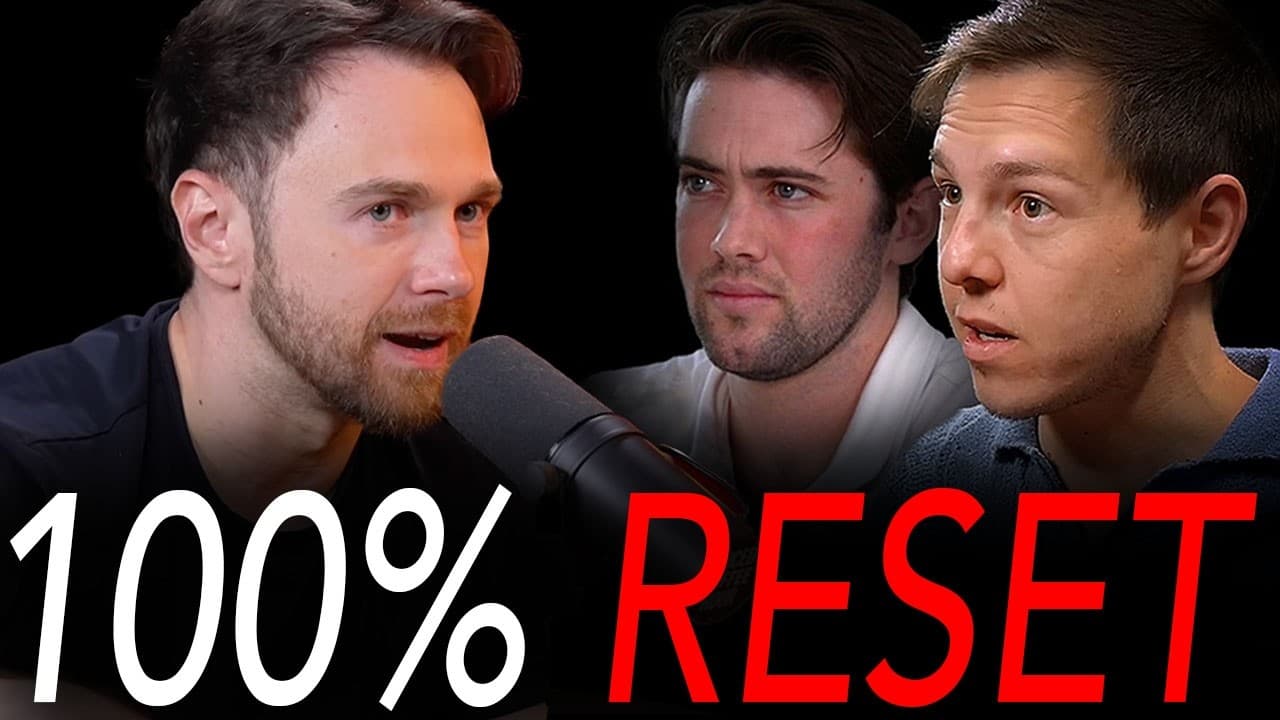
The most important wealth-building quality discussed is the ability to delay gratification, not predicting every market move. Andrei Jikh remains optimistic about Bitcoin, continues buying through both an ETF and direct ownership, and recommends self-custody for his core holdings while acknowledging sharp price swings, possible declines below $100,000, and the consequences of emotion-driven selling.
Transcript
I think it's true that now more than ever there's more economic opportunity to make money. Do you think that Bitcoin's price is manipulated right now? Probably just because you see these insane swings. Well, in 2025, there's another war for the soul of Bitcoin. There's a fight between two groups of people. One that's trying to say, is Bitcoin money... Read More
Key Insights
- Delayed gratification is presented as the most important investing quality observed among people who have built wealth. The conversation suggests that resisting immediate consumption and short-term emotional decisions can matter more than finding a supposedly perfect asset or rapidly expanding a portfolio.
- Bitcoin is still viewed by Andrei Jikh as having substantial long-term potential despite trading above $100,000. He says it may fall below that level and acknowledges extreme price swings, so his optimism does not depend on expecting a smooth or uninterrupted rise.
- Bitcoin's fixed quantity is central to Andrei's long-term valuation framework. He describes its final price conceptually as inflation divided by 21 million, using that comparison to explain why he expects an asset with limited supply to rise as inflation continues.
- Self-custody is Andrei's preferred approach for most of his Bitcoin holdings. He also recently purchased the IBIT ETF at roughly $115,000, showing that he uses both direct coin ownership and a financial product rather than treating the two methods as mutually exclusive.
- A hardware wallet with an additional passphrase can create a separate protected wallet. Andrei describes this extra word as a plausible-deniability feature, allowing one seed phrase to reveal a decoy wallet while the wallet containing the actual funds remains behind another credential.
- Selling after a price decline can create a costly long-term lesson. Andrei bought six Bitcoin around 2014 at approximately $600 each, sold them after the price fell to about $300, and spent the proceeds on a DJI drone that he eventually crashed.
- Speculative gains are not realized until they are sold. Graham turned roughly $500 of Bitcoin trading gains into an investment in Ryblocks that grew to about $50,000 or $60,000, but he did not cash out and ultimately lost all of it.
- Small portfolio allocations can provide exposure while limiting commitment. After experimenting with Bitcoin trading and crypto communities, Graham concluded that investing about 1% of his portfolio in Bitcoin presented a level of exposure he could accept despite uncertainty and volatility.
Install to Summarize YouTube Videos and Get Transcripts
Explore YouTube Video Summarizer or Get YouTube Transcript Extractor
Questions & Answers
Q: Is it too late to invest in Bitcoin above $100,000?
Andrei Jikh does not believe the opportunity has necessarily passed simply because Bitcoin is above $100,000. He says he recently bought the IBIT ETF at roughly $115,000 and thinks Bitcoin still has a long way to go. However, he also says a decline below $100,000 would not surprise him, so his view includes significant short-term downside and volatility.
Q: What is the most important quality for building wealth?
The most important investing quality identified in the conversation is the ability to delay gratification. People who build wealth can resist immediate spending, avoid reacting impulsively to short-term market changes, and continue pursuing longer-term objectives. The discussion frames financial freedom as something that may depend less on quickly building a larger portfolio and more on disciplined preparation for what could happen next.
Q: Why does Andrei Jikh remain optimistic about Bitcoin?
Andrei's optimism is based on Bitcoin's limited supply and his expectation that inflation will continue. He describes his valuation idea as inflation divided by 21 million and characterizes Bitcoin as the fastest horse in the race. That framework leads him to expect a higher long-term price, even though he accepts that the market could experience sharp swings or fall below $100,000.
Q: How does Andrei Jikh store his Bitcoin?
Andrei says most of his Bitcoin is held as the coin itself through self-custody, although he has also purchased the IBIT ETF. For cold storage, he suggests using a hardware device such as a Ledger or another available option. He also recommends researching an additional passphrase that can create a separate wallet beyond the wallet accessible through the standard seed phrase.
Q: What is a plausible-deniability Bitcoin wallet?
A plausible-deniability wallet, as described by Andrei, uses an additional passphrase beyond the normal seed phrase to create a separate wallet. One set of credentials can reveal a wallet that appears genuine, while the additional word protects the wallet containing the actual funds. He presents this structure as potentially useful if someone is physically forced to disclose access information.
Q: What investing lesson came from Andrei's first Bitcoin purchase?
Andrei first bought approximately six Bitcoin around 2014 when each coin cost about $600. After forgetting about the investment for roughly a year, he checked again and found the price near $300. He sold all six coins to purchase a DJI drone, which he later crashed. The story illustrates how reacting to a decline can sacrifice much larger long-term potential.
Q: Why did Graham Stephan change his view of Bitcoin?
Graham says his early position was neutral because he saw little real utility and viewed Bitcoin mainly as a speculative or gambling mechanism. After its price reached roughly $17,000, he bought one coin for fun, joined online communities, read discussions, and experimented with trading. Those experiences eventually led him to consider allocating about 1% of his portfolio to Bitcoin.
Q: What do the crypto losses discussed reveal about taking profits?
The examples show that a rising position does not produce a lasting gain unless the investor sells or otherwise protects the value. Graham made about $500 through Bitcoin trading, invested it in Ryblocks, watched the position reach approximately $50,000 or $60,000, and then lost it all. His earlier sale of 217,000 Dogecoin also shows the opposite risk of exiting too quickly.
Summary & Key Takeaways
-
Andrei Jikh argues that Bitcoin still has room to grow, although he would not be surprised by a decline below $100,000. He recently bought the IBIT ETF at roughly $115,000, while keeping most of his Bitcoin as coins in self-custody. His long-term outlook rests on Bitcoin's limited supply relative to inflation.
-
Past mistakes shape the discussion about disciplined investing. Andrei sold six Bitcoin, originally purchased around $600 each, after their price fell to roughly $300, using the proceeds for a drone he later crashed. Graham Stephan similarly sold 217,000 Dogecoin the day after buying it, missing its later peak value.
-
The conversation emphasizes delayed gratification, measured portfolio exposure, and secure ownership. Graham initially treated Bitcoin as speculation, later experimented with trading, lost gains in Ryblocks, and concluded that allocating about 1% of a portfolio could be reasonable. For cold storage, Andrei describes hardware wallets and an additional passphrase protecting a separate wallet.
Read in Other Languages (beta)
Share This Summary 📚
Summarize YouTube Videos and Get Video Transcripts with 1-Click
Try YouTube Summary with ChatGPT & Claude or YouTube Transcript Generator
Explore More Summaries from The Iced Coffee Hour 📚






Summarize YouTube Videos and Get Video Transcripts with 1-Click
Try YouTube Summary with ChatGPT & Claude or YouTube Transcript Generator