How Does Stoicism Help You Avoid Feeling Harmed?
TL;DR
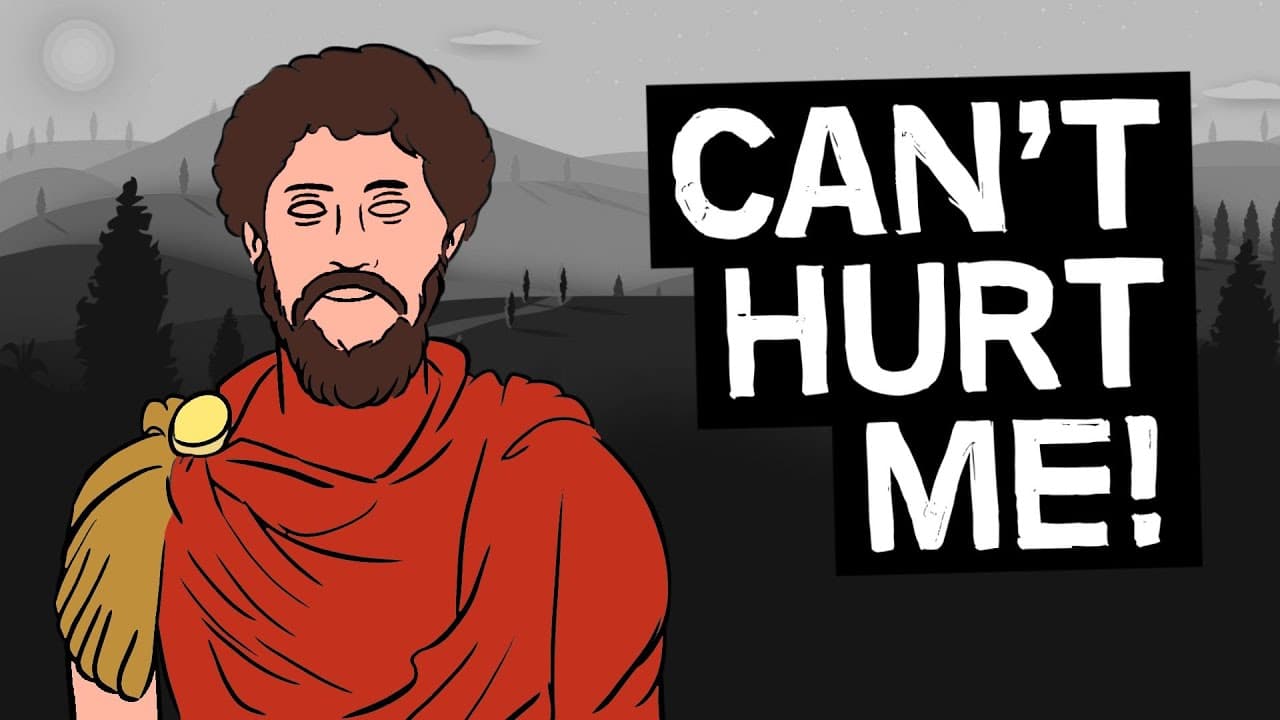
Stoicism teaches that suffering arises from our judgments, not from external events. By accepting fate, lowering expectations, and recognizing the beauty in adversity, we can maintain inner peace and resilience against life's challenges. Marcus Aurelius emphasizes that by choosing not to feel harmed, individuals can cultivate a stronger, more peaceful mindset.
Transcript
Marcus Aurelius pointed out that regardless of the severity of circumstances, there’s always a choice in how we judge them. “Choose not to be harmed—and you won’t feel harmed. Don’t feel harmed—and you haven’t been,” he stated. Marcus’ instruction sounds easy, but it’s difficult to apply if we don’t understand what causes us to feel harmed and when... Read More
Key Insights
- 🎮 Controlling judgments and accepting circumstances minimize suffering.
- 🍽️ Strengthening inner faculties is crucial for resilience in Stoicism.
- 🥺 Acceptance of fate and lowering expectations lead to inner peace.
- 💅 Finding beauty in adversity fosters resilience and contentment.
- ❓ Adversity can inspire creativity and compassion in individuals.
- ☄️ Resilience comes from focusing on internal well-being rather than external events.
- 🉑 Stoicism emphasizes the importance of accepting what fate brings.
- 🎙️ More videos with Marcus Aurelius:
Install to Summarize YouTube Videos and Get Transcripts
Explore YouTube Video Summarizer or Get YouTube Transcript Extractor
Questions & Answers
Q: How does Marcus Aurelius suggest minimizing suffering?
Marcus Aurelius advocates controlling our judgments and accepting external circumstances to reduce the impact of events on our well-being. By choosing not to feel harmed, we can avoid unnecessary suffering.
Q: What role do inner faculties play in Stoic philosophy?
Inner faculties, according to Stoicism, are crucial for resilience. Strengthening our minds and emotions allows us to navigate external challenges with greater ease and maintain inner peace despite external circumstances.
Q: How does the concept of fate influence Stoic teachings?
Stoics believe that fate largely determines external events, but our reactions to them are within our control. By accepting what fate brings and focusing on inner resilience, individuals can find peace and contentment.
Q: Why is it essential to find beauty in adversity according to Stoicism?
Stoics encourage finding beauty in adversity to cultivate resilience and inner peace. By appreciating the lessons adversity brings, individuals can grow stronger and maintain equilibrium in the face of life's challenges.
Summary & Key Takeaways
-
Marcus Aurelius highlights the power of controlling our judgments to minimize suffering.
-
Stoics emphasize the importance of strengthening our inner faculties to withstand external circumstances.
-
Acceptance of fate, lowering expectations, and finding beauty in adversity are key Stoic principles for inner peace.
Read in Other Languages (beta)
Share This Summary 📚
Summarize YouTube Videos and Get Video Transcripts with 1-Click
Try YouTube Summary with ChatGPT & Claude or YouTube Transcript Generator
Explore More Summaries from Einzelgänger 📚




Summarize YouTube Videos and Get Video Transcripts with 1-Click
Try YouTube Summary with ChatGPT & Claude or YouTube Transcript Generator