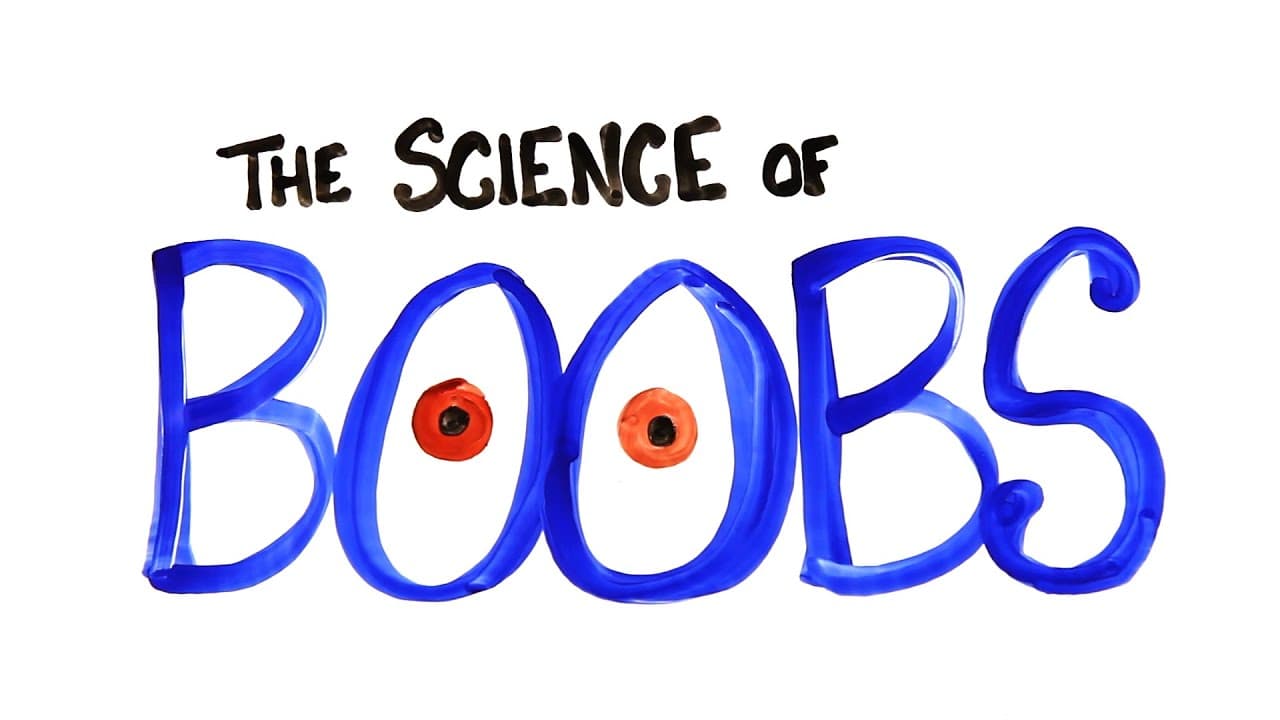
The Science of Boobs
TL;DR
Breasts use mammary glands to turn proteins, sugars, and fat drawn from a mother’s blood supply into milk that nourishes babies. Their size and symmetry vary with genes, weight, puberty, and menstrual-cycle hormones, while oxytocin and prolactin support milk release and production. Breast cells also divide frequently, making the tissue vulnerable to cancer, so read on for the science behind development, lactation, sensation, and risk factors.
Transcript
breasts they provide nourishment for our babies they are one of the few organs not fully developed at birth and of course they are a major Obsession in Western culture yet there is so much about breast that isn't discussed or is deemed taboo sorry taboo so what does science say about breast forget water into wine what about blood into milk proteins... Read More
Key Insights
- 👻 Mammary glands allow mammals to access nutrition through the secretion of milk.
- 🤱 Breast size is influenced by genetics and hormones, and breasts come in various shapes and sizes.
- 🖐️ Breasts play a role in bonding between mother and child through the release of oxytocin.
- 🤱 People's preferences for breast size and shape vary, with medium-sized breasts rated as most attractive.
- ♋ Breast cancer is the most prevalent form of cancer in North America, with frequent cell division and estrogen exposure as risk factors.
- 🤱 Environmental chemicals that mimic estrogen can increase the risk of breast cancer.
- 🤱 Breast density, age of first pregnancy, and genetic factors like BRCA1 and BRCA2 can also impact the risk of breast cancer.
- 🤱 Breasts are crucial for sustaining human life, providing nutrition and pleasure, while also being vulnerable to disease.
Install to Summarize YouTube Videos and Get Transcripts
Explore YouTube Video Summarizer or Get YouTube Transcript Extractor
Questions & Answers
Q: What does science say about breasts?
Breasts are mammary organs that provide milk, change with hormones, contribute to bonding and sexual pleasure, and vary naturally in shape and size. Their frequently dividing cells also make them vulnerable to mutations and breast cancer.
Q: How do breasts make milk from a mother’s blood supply?
Proteins, sugars, and fat are pulled from a mother’s blood supply to make milk. This secretion gives young mammals access to nutrition without depending on parents to bring outside food.
Q: Why is one breast sometimes larger than the other?
One breast is larger than the other 50% of the time, with the left breast most commonly being larger. Scientists are not entirely sure why, but hormonal changes during puberty may contribute, and the asymmetry is normal.
Q: Why does breast size change during the menstrual cycle?
Breast size can vary from week to week. The production of estrogen and progesterone throughout the menstrual cycle causes these changes.
Q: What do the nipple and areola do during breastfeeding?
The nipple contains many tiny holes through which milk is released. Montgomery’s glands, the small bumps on the areola, produce oily secretions during lactation that lubricate the nipple and may release compounds that attract a baby.
Q: How do oxytocin and prolactin support breastfeeding?
When a baby suckles, nipple receptors signal the mother’s brain to release oxytocin and continue producing prolactin. Oxytocin contracts cells lining the mammary glands and enhances mother-child bonding, while prolactin is essential for making milk.
Q: How does nipple stimulation affect sexual arousal?
Studies cited in the transcript found that nipple stimulation enhanced sexual arousal in 82% of women and 52% of men. An fMRI scan also found that nipple stimulation activated the same brain areas as clitoral and vaginal self-stimulation in women.
Q: What factors can increase breast cancer risk?
Breast cells divide frequently as breasts change and grow, and frequently dividing cells have a higher risk of mutations. The transcript also identifies estrogen exposure, estrogen-mimicking environmental chemicals, breast density, age at first pregnancy, and genetic predisposition involving BRCA1 and BRCA2 as risk factors.
Summary & Key Takeaways
-
Breasts provide nourishment for babies and are unique among organs in their development.
-
The production of milk involves proteins, sugars, and fats extracted from a mother's blood supply.
-
Breast size, asymmetry, and changes throughout the menstrual cycle are normal variations.
Read in Other Languages (beta)
Share This Summary 📚
Summarize YouTube Videos and Get Video Transcripts with 1-Click
Try YouTube Summary with ChatGPT & Claude or YouTube Transcript Generator
Explore More Summaries from AsapSCIENCE 📚



Summarize YouTube Videos and Get Video Transcripts with 1-Click
Try YouTube Summary with ChatGPT & Claude or YouTube Transcript Generator