How Did Elon Musk Play a Role in Founding OpenAI?
TL;DR
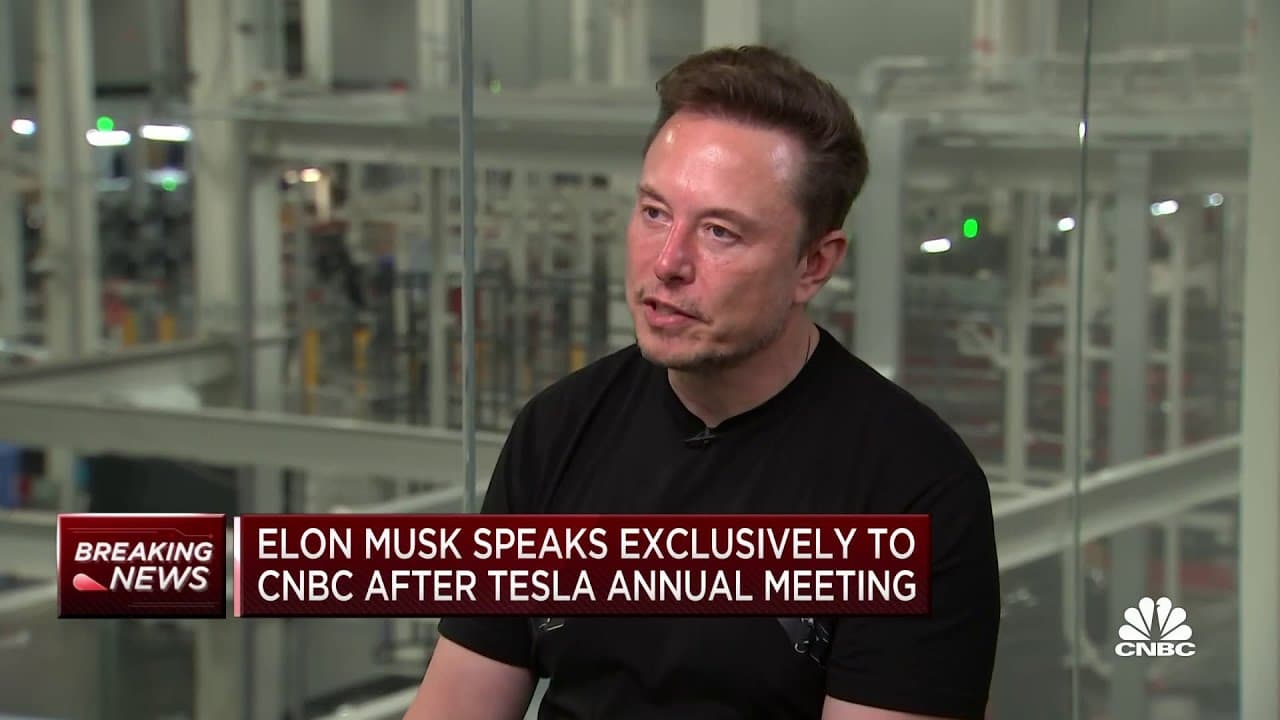
Elon Musk initially contributed around $50 million to establish OpenAI and was instrumental in its founding, including naming the organization. He expresses frustration over OpenAI's shift to a for-profit model, raising ethical concerns about AI safety and governance, especially in light of Microsoft's influence over the organization.
Transcript
FINE, SURE. >> OKAY, THANK YOU OPEN AI, I MEAN, YOU SEEM SOMEWHAT FRUSTRATED WITH THAT. YOU WERE ONE OF THE BIG CONTRIBUTORS EARLY ON. >> I AM THE REASON OPEN AI EXISTS. >> HOW MUCH MONEY DID YOU GIVE >> SO I CAN'T REMEMBER THE EXACT NUMBER, BUT IT IS SOME NUMBER ON THE ORDER OF $50 MILLION MAN, FATE LOVES IRONY NEXT LEVEL. SO I USED TO BE CLOS... Read More
Key Insights
- 🎮 The co-founder played a significant role in Open AI's establishment and contributed a substantial amount of money.
- 🥺 Concerns about the danger of AI and a lack of AI safety consciousness led to the formation of Open AI.
- ❓ The co-founder expresses disappointment and raises questions about Open AI's transformation into a for-profit entity.
- 🤨 The relationship between Open AI and Microsoft raises concerns about control and the future of AI development.
- 🎮 The co-founder's involvement in recruiting key scientists played a crucial role in Open AI's success.
- 🎮 The co-founder emphasizes the importance of AI governance and control over powerful AI systems.
- 🤨 The transformation of a nonprofit into a for-profit company raises ethical and legal considerations.
- 🎙️ More videos with Sam Altman / Elon Musk:
Install to Summarize YouTube Videos and Get Transcripts
Explore YouTube Video Summarizer or Get YouTube Transcript Extractor
Questions & Answers
Q: How did the co-founder contribute to Open AI's establishment?
The co-founder claims to have provided a significant contribution of around $50 million and also came up with the organization's name.
Q: Why did the co-founder feel disappointed in Open AI becoming a for-profit entity?
The co-founder believes that a nonprofit organization transforming into a for-profit company goes against the original intentions of Open AI, which aimed to ensure AI safety.
Q: Can Open AI's transformation into a for-profit entity be considered legal?
The co-founder questions the legality of a nonprofit organization transferring its intellectual property to a for-profit entity to make substantial profits.
Q: What concerns does the co-founder have regarding the control and relationship between Open AI and Microsoft?
The co-founder worries that Microsoft's investment in Open AI has given them more control over the organization, including all software and model weights.
Key Insights:
- The co-founder played a significant role in Open AI's establishment and contributed a substantial amount of money.
- Concerns about the danger of AI and a lack of AI safety consciousness led to the formation of Open AI.
- The co-founder expresses disappointment and raises questions about Open AI's transformation into a for-profit entity.
- The relationship between Open AI and Microsoft raises concerns about control and the future of AI development.
- The co-founder's involvement in recruiting key scientists played a crucial role in Open AI's success.
- The co-founder emphasizes the importance of AI governance and control over powerful AI systems.
- The transformation of a nonprofit into a for-profit company raises ethical and legal considerations.
- Open AI's name reflects its original goal of being the opposite of Google, which the co-founder perceived as not being concerned about AI safety.
Summary & Key Takeaways
-
The co-founder of Open AI claims to be the reason for the organization's existence and had contributed around $50 million.
-
The co-founder had warned about the dangers of AI to a friend, but the friend did not share the same concerns.
-
Open AI was initially considered a hopeless endeavor compared to Google's AI capabilities, but the recruitment of key scientists helped make it successful.
Read in Other Languages (beta)
Share This Summary 📚
Summarize YouTube Videos and Get Video Transcripts with 1-Click
Try YouTube Summary with ChatGPT & Claude or YouTube Transcript Generator
Explore More Summaries from CNBC Television 📚

Summarize YouTube Videos and Get Video Transcripts with 1-Click
Try YouTube Summary with ChatGPT & Claude or YouTube Transcript Generator