What Obligations Do Social Media Platforms Have to Society?
TL;DR
Social media platforms have a responsibility to promote the greater good in exchange for their influence on public discourse. They should prioritize creating structured, public-friendly online environments that foster trust, understanding, and healthy democratic practices. Learning from successful physical spaces can provide valuable insights for improving online interactions and facilitating meaningful connections among users.
Transcript
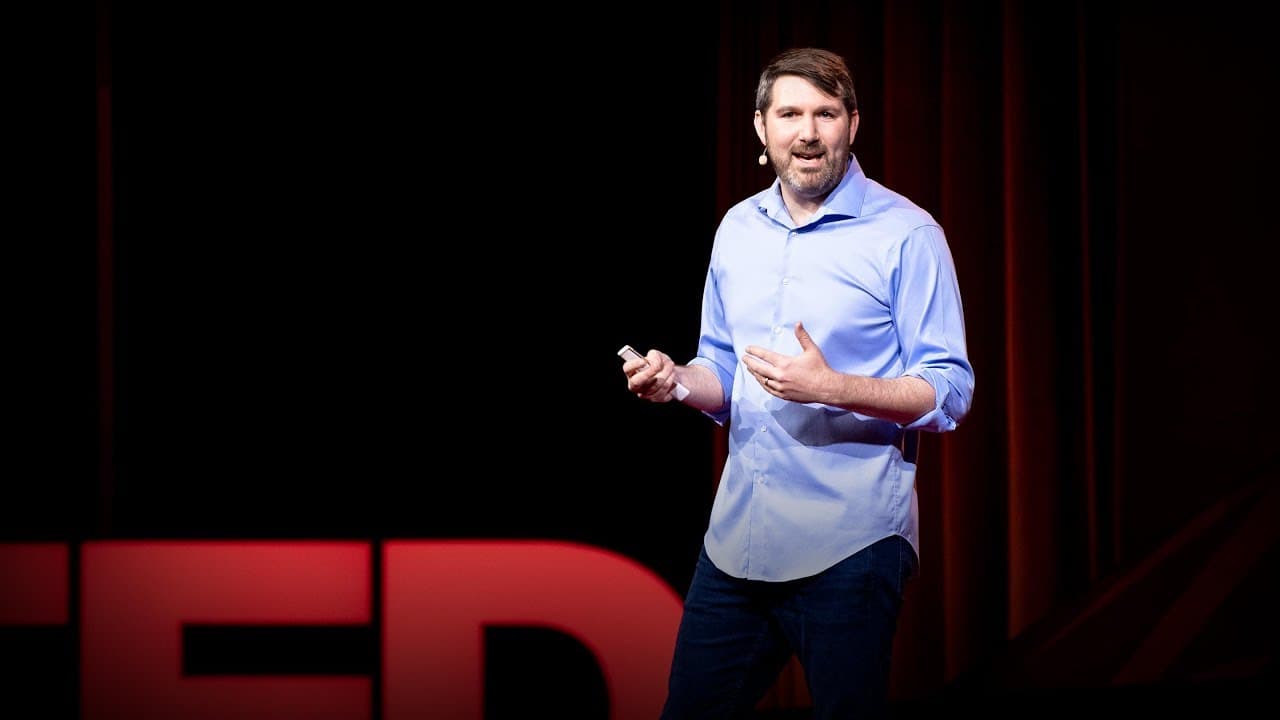
I was talking to a guy at a party in California about tech platforms and the problems they're creating in society. And he said, "Man, if the CEOs just did more drugs and went to Burning Man, we wouldn't be in this mess." (Laughter) I said, "I'm not sure I agree with you." For one thing, most of the CEOs have already been to Burning Man. (Laughter) ... Read More
Key Insights
- 🌍 Our climate is warming, it's becoming harder to discern truth from fiction, and there is a global migratory crisis. Social media is exacerbating these problems by tearing at our civic fabric and causing division among people.
- 🔍 The conversation about the harm caused by tech platforms is essential, but we should also consider what we need from these platforms for the greater good. What obligations do tech platforms have to us in exchange for the power they hold over our discourse?
- 🧠 The platform crisis is a people problem, not just an information or content problem. We must think about platforms as spaces and how they shape behavior.
- 💻 Different online spaces have different behavioral norms. For example, LinkedIn reads as a workplace, so people follow workplace norms. Twitter, on the other hand, lacks structure and fosters chaos.
- 🏢 Physical spaces offer valuable design insights for online spaces. Successful public places in cities have built environments, programming, and mayors who take informal ownership. These elements have online analogues.
- 🧩 People crave structure, and the lack of it in online spaces may contribute to anxiety and a susceptibility to authoritarianism.
- 🔗 We need a new design movement for online spaces that prioritizes the public good. We must consider how these interactions would look and structure behavior if they were happening in physical space.
- 🌱 Just as cities have evolved and learned from one another, there needs to be a transnational movement for online spaces to learn from each other and build functional, thriving communities that foster trust and understanding.
- 🎙️ More videos with Eli Pariser:
Install to Summarize YouTube Videos and Get Transcripts
Explore YouTube Video Summarizer or Get YouTube Transcript Extractor
Questions & Answers
Q: What are some of the problems that tech platforms are creating in society?
Tech platforms are contributing to a hotter climate, blurring the line between truth and fiction, and exacerbating the global migratory crisis. They are also driving divisions and conflict through social media, with viral misinformation on WhatsApp, bullying on Instagram, and Russian hackers on Facebook.
Q: What is the big question that needs to be answered regarding tech platforms?
The big question is not just what we want platforms to stop doing, but what we need from them for the greater good. As tech platforms have effectively taken control of our online public square, we need to determine the obligations they have to us in exchange for the power they hold over our discourse.
Q: How can platforms be viewed as spaces?
Platforms can be viewed as spaces by considering how spaces shape behavior in the physical world. Just as certain places have different behavioral norms, online spaces also have norms that influence behavior. By understanding how spaces shape behavior, we can gain insights into how platforms can be designed to encourage positive interactions and meaningful connections.
Q: What can be learned from physical spaces in order to structure online behavior?
Physical spaces provide insights into how to structure online behavior. For example, creating opportunities for different types of interactions, building specific places for certain conversations, and fostering familiarity among individuals can help shape positive behavior online. By considering what works in physical spaces, digital designers can create online environments that are public-friendly and promote healthy communities.
Q: What is the urgency for creating public-friendly digital environments?
There is an urgent need for public-friendly digital environments because the current state of platforms, such as Facebook, can be likened to decaying public spaces. People are losing trust in online public spaces, just as they have given up on cities that have faced decay in the past. To address this, we require digital urban planners and architects who can create comfortable, inclusive, and ownership-driven online spaces that foster meaningful connections and address the pressing problems of our time.
Summary & Key Takeaways
-
The speaker discusses the problems caused by tech platforms in society, including climate issues, misinformation, and social media's impact on civic unity.
-
They highlight the need for tech platforms to have obligations to society in exchange for the power they hold, emphasizing the importance of healthy public spaces in democracies.
-
The speaker advocates for a new design movement for online spaces, drawing inspiration from successful physical spaces, and calls for the development of digital platforms that prioritize the public good.
Read in Other Languages (beta)
Share This Summary 📚
Summarize YouTube Videos and Get Video Transcripts with 1-Click
Try YouTube Summary with ChatGPT & Claude or YouTube Transcript Generator
Explore More Summaries from TED 📚





Summarize YouTube Videos and Get Video Transcripts with 1-Click
Try YouTube Summary with ChatGPT & Claude or YouTube Transcript Generator