How to Memorize Any Speech Word for Word
TL;DR
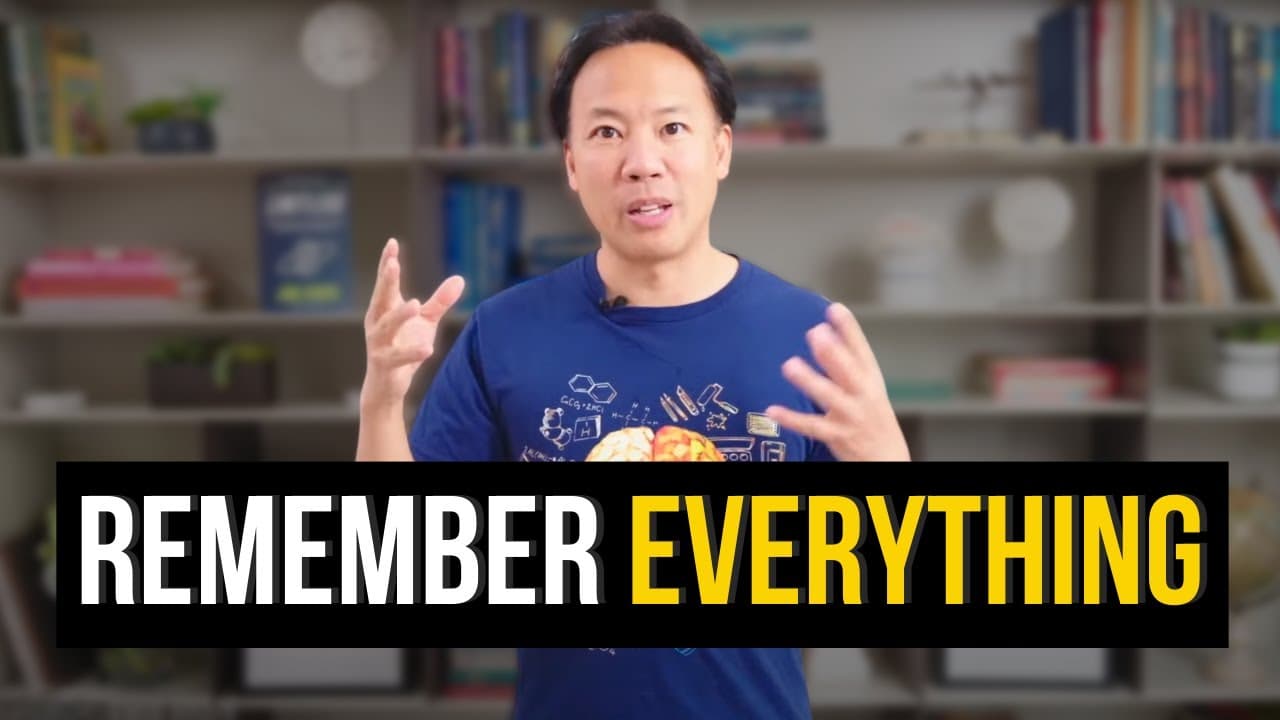
Memorize a speech verbatim by combining focused reading, reflection, handwriting, spaced repetition, role-play, movement, and vocal variation. Use a visual pacer while reading, connect every passage to its meaning, rehearse with another person or a recording tool, and vary your tone, tempo, volume, or accent so the material becomes more distinctive and easier to retain.
Transcript
welcome back quick brain so what we're going to do in this lesson so I'm going to share with you some tips on how to memorize word for word information now I want you to think about it what kinds of information where do you need to remember things word for word where would that be valuable as I work with actors they need to remember things word for... Read More
Key Insights
- A visual pacer is a finger, pen, highlighter, or mouse used to guide the eyes beneath the words. It can improve focus, set the reading pace, limit backward skipping, and support stronger comprehension while studying material that must be recalled verbatim.
- Reflection is the process of identifying the meaning and motivation behind a passage. Actors can reflect on what a character is experiencing and what drives the character’s actions, making the words more meaningful and therefore less difficult to remember.
- Handwriting is recommended for capturing both the exact words and personal reflections about them. Writing the material by hand is presented as a way to make the learning feel more deeply ingrained than simply typing it out.
- Spaced repetition is repeated practice distributed across longer intervals instead of concentrated within one day. Reviewing material an hour later, a day later, several days later, and a week later can help transfer it from short-term memory into long-term memory.
- Running lines is active rehearsal with another person through role-play or direct recitation. Practicing before a partner creates performance pressure and requires the learner to deliver the material, rather than merely repeating it privately without an audience.
- Technology is a useful rehearsal resource when another person is unavailable. A rehearsal app or a recording of the learner’s own voice can serve as a practice partner and provide another way to run lines repeatedly.
- Physical movement is part of the memorization process because using the body engages more of the learner’s physicality. Standing, walking, exercising, or adding gestures while rehearsing can connect the spoken material with bodily actions.
- Vocal variation introduces novelty without changing the words being memorized. Practicing with a different accent, character voice, tone, tempo, or volume shifts how the material is delivered and emphasizes that communication includes both wording and delivery.
Install to Summarize YouTube Videos and Get Transcripts
Explore YouTube Video Summarizer or Get YouTube Transcript Extractor
Questions & Answers
Q: How can I memorize a speech word for word?
Start by reading the speech with a visual pacer, then pause to reflect on the meaning and motivation behind each passage. Handwrite the words and your interpretation, review them through spaced repetition, and run the lines with a partner. Movement, recording tools, and changes in voice, tempo, tone, or volume can add further reinforcement while keeping the wording exact.
Q: How does a visual pacer help with speech memorization?
A visual pacer guides your eyes beneath the text as you read. You can use a finger, pen, highlighter, or computer mouse without necessarily marking or touching the page. The technique directs visual and mental focus, regulates reading speed, and reduces backward skipping. Better focus can also support improved understanding and comprehension of the speech before verbatim rehearsal begins.
Q: Why should I reflect on a script before memorizing it?
Reflection connects the exact language to meaning, motivation, and emotional context. Instead of regurgitating isolated words, consider what the passage means and why it is being said. An actor, for example, can examine what the character is experiencing and what drives the character’s behavior. Meaningful material can be easier to remember than words studied without interpretation.
Q: Should I handwrite a speech that I want to memorize?
Handwriting is recommended as part of the memorization process because it can make the material feel more ingrained in learning. Write the exact words you need to retain, then also write your reflections about their meaning, motivation, or interpretation. This captures both the verbal content and the understanding developed after reading, rather than relying on typed repetition alone.
Q: How should I use spaced repetition to learn a script?
Review the script across separated periods instead of repeating it only throughout one day. The suggested progression includes practicing again after an hour, after a day, after a few days, and after a week. Spacing the reviews takes time, but it is presented as smarter repetition that helps move information from short-term memory into long-term memory.
Q: Why is running lines with another person effective?
Running lines turns memorization into active performance. A partner can play another character, prospect, client, or customer while you assume the role required by the script. Speaking to someone else puts you on the spot and requires you to perform the material. This differs from repeating words privately and can make practice more realistic and demanding.
Q: Can I practice lines effectively without a rehearsal partner?
A recording or rehearsal app can support practice when another person is unavailable. You can record your voice and use the technology as a substitute rehearsal partner while repeatedly running the lines. The transcript specifically mentions an app called Rehearsal as one example, while also noting that various resources can amplify and support the memorization process.
Q: How can movement and vocal variation improve rehearsal?
Stand up, walk, exercise, gesture, or otherwise involve your body while practicing the material. Physicality adds another dimension to learning and can also support expressive delivery. Then rehearse the same words with different voices, accents, tones, tempos, or volumes. These changes introduce novelty and vary how the speech sounds without altering the exact wording.
Summary & Key Takeaways
-
Begin by reading the material with a visual pacer, such as a finger, pen, highlighter, or mouse. Guiding the eyes along each line can improve focus, regulate reading speed, and reduce backward skipping. After reading, pause to reflect on the passage’s meaning, motivation, and emotional context instead of treating it as disconnected language.
-
Handwrite both the exact material and your reflections rather than relying only on typing. Reinforce that work with spaced repetition, reviewing it after progressively separated intervals such as an hour, a day, several days, and a week. This approach is intended to move information from short-term memory toward more durable long-term memory.
-
Turn private study into active performance by running lines with a partner, role-playing the situation, or using a recording or rehearsal app. Stand up and move while practicing so physicality becomes part of the learning process. Change the voice, accent, tempo, tone, or volume to introduce novelty while preserving the exact words.
Read in Other Languages (beta)
Share This Summary 📚
Summarize YouTube Videos and Get Video Transcripts with 1-Click
Try YouTube Summary with ChatGPT & Claude or YouTube Transcript Generator
Explore More Summaries from Jim Kwik 📚




Summarize YouTube Videos and Get Video Transcripts with 1-Click
Try YouTube Summary with ChatGPT & Claude or YouTube Transcript Generator