What Is Microsoft's Orca 2 and How Does It Enhance AI Reasoning?
TL;DR
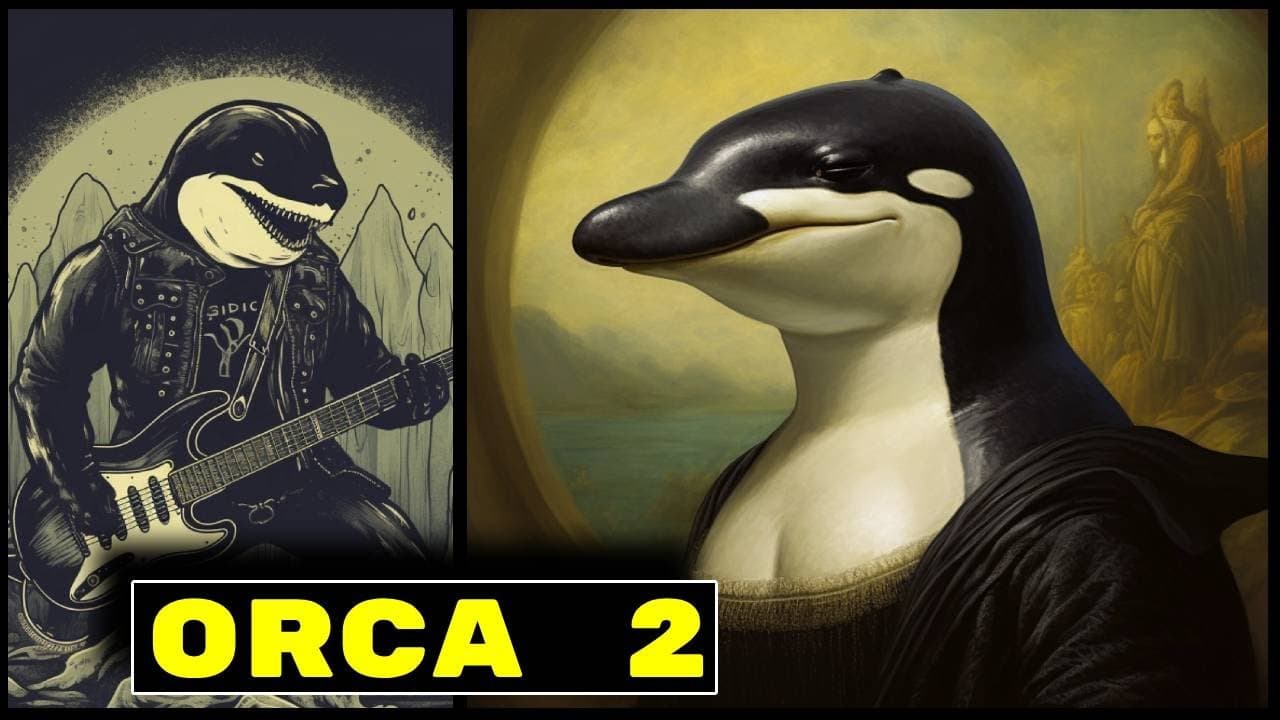
Microsoft's Orca 2 improves smaller AI language models by teaching them reasoning skills through synthetic data. This research highlights the critical importance of data quality over model size, enabling smaller models to perform better than larger ones on benchmarks, especially in zero-shot reasoning tasks. The findings suggest potential for democratized AI access through effective open-source models.
Transcript
so Microsoft drops a new research paper called Orca 2 teaching small language models how to reason this is building on their Ora one model which at the time of its release I I missed I listened to a few podcasts about it that will share with you right now and then I kind of forgot about it looking back on it now that was a mistake because this is b... Read More
Key Insights
- 🧑🏫 Orca 2 research paper focuses on teaching smaller language models reasoning skills through synthetic data.
- 🤗 Data quality is emphasized over model size, showcasing the effectiveness of open-source models.
- 🤑 Orca 2 demonstrates the potential for smaller models to outperform larger ones on certain benchmarks, especially in zero-shot reasoning tasks.
- 🖐️ Synthetic data plays a crucial role in training Orca 2 models, enabling them to achieve impressive performance levels.
- 💨 Orca 2's tailored approach to training smaller models may pave the way for democratizing AI access and creating specialized, efficient models.
- ✋ The research paper highlights the importance of reasoning abilities and strategy selection for smaller models in achieving high performance levels.
- 🛀 Utilizing synthetic data and careful reasoning techniques, Orca 2 shows promise in revolutionizing AI deployment scenarios and capabilities.
Install to Summarize YouTube Videos and Get Transcripts
Explore YouTube Video Summarizer or Get YouTube Transcript Extractor
Questions & Answers
Q: What is the significance of Microsoft's Orca 2 research paper in the realm of AI development?
Microsoft's Orca 2 paper highlights the potential of teaching smaller AI models reasoning skills through synthetic data, opening up possibilities for democratizing AI access and avoiding reliance on closed-door, powerful models.
Q: How does Orca 2 differentiate from previous models, like Orca 1, in terms of teaching reasoning abilities to language models?
Orca 2 addresses the limitations of imitation learning by tailoring reasoning strategies for each task, allowing smaller models to learn effective solution strategies without solely imitating larger models.
Q: What role does synthetic data play in training Orca 2 models, and how does it impact the capabilities of these models?
Synthetic data generated by AI models is used to train Orca 2, enabling it to achieve performance levels comparable to larger models on zero-shot reasoning tasks. This approach enhances the reasoning capabilities of smaller models.
Q: How does Orca 2's approach to training smaller language models impact the future of AI development?
By emphasizing tailored synthetic data and careful reasoning strategies, Orca 2 sets a precedent for creating more accessible, specialized models with enhanced reasoning abilities, potentially revolutionizing AI deployment scenarios and capabilities.
Summary & Key Takeaways
-
Microsoft's Orca 2 research paper focuses on teaching smaller language models how to reason effectively through synthetic data.
-
The research emphasizes the importance of data quality over model size, showcasing the effectiveness of open-source models.
-
Orca 2 demonstrates that smaller models can outperform larger ones on certain benchmarks, especially in zero-shot reasoning tasks.
Read in Other Languages (beta)
Share This Summary 📚
Summarize YouTube Videos and Get Video Transcripts with 1-Click
Try YouTube Summary with ChatGPT & Claude or YouTube Transcript Generator
Explore More Summaries from AI Unleashed - The Coming Artificial Intelligence Revolution and Race to AGI 📚
Summarize YouTube Videos and Get Video Transcripts with 1-Click
Try YouTube Summary with ChatGPT & Claude or YouTube Transcript Generator