Live More by Doing Less | The Philosophy of Slow Living
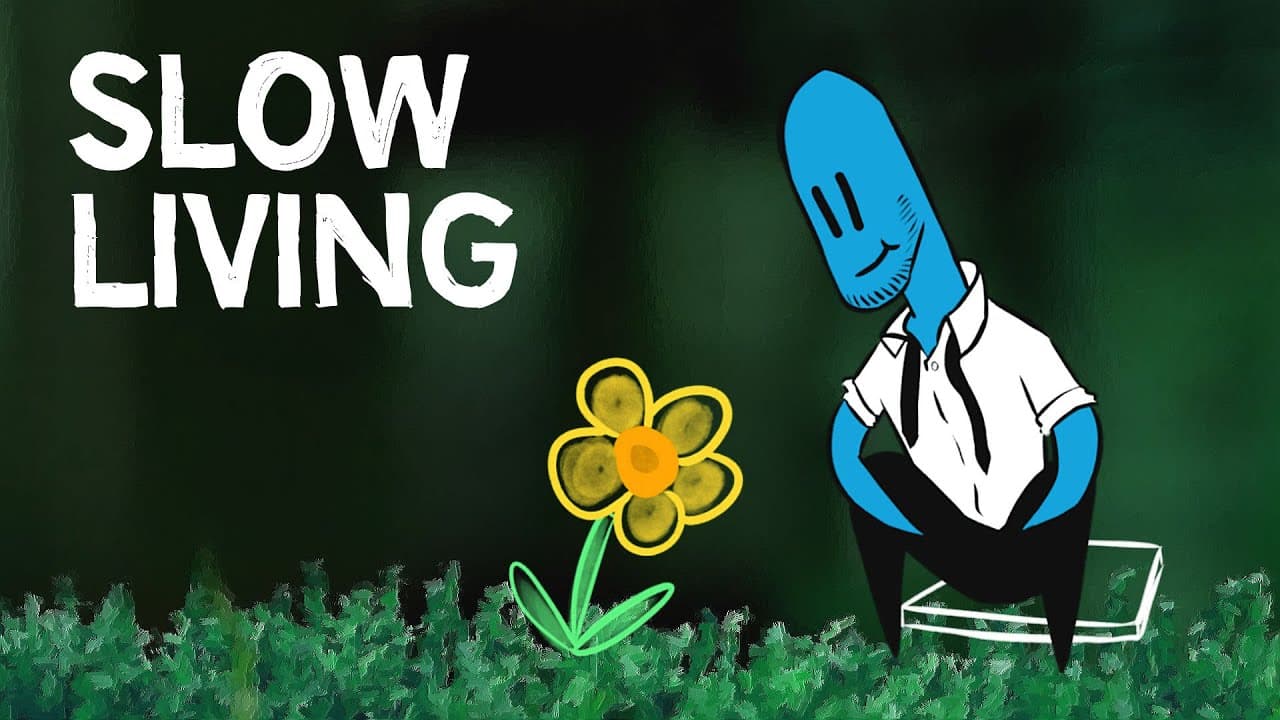
TL;DR
Slow living means simplifying life, savoring the present, and intentionally prioritizing what truly matters. It values quality over quantity and returns repeatedly to simplicity, balance, intentionality, and mindfulness. Drawing on thinkers including Epicurus, Henry David Thoreau, Arthur Schopenhauer, and Lao Tzu, the philosophy suggests that slowing down can replace superficial experiences and constant striving with greater contentment. Read on for practical ways to apply it.
Transcript
We live in an age where speed is a virtue: the faster, the better. You’re hungry? Your smartphone allows you to order food from countless restaurants and have it delivered in no time. You want to be entertained? Today’s streaming services bring the latest films and television series into your living room with the push of a button. We can communicat... Read More
Key Insights
- 😋 'Slow living' advocates for savoring moments, simplifying life, and focusing on what truly matters.
- 🐢 Philosophers like Epicurus, Thoreau, and Lao Tzu endorse slowing down to find happiness and balance.
- 💨 Practicing mindful engagement, simplifying schedules, and connecting with nature are ways to embrace 'slow living' and find contentment.
- 🥺 Slowing down can lead to a deeper appreciation of life's moments and foster a sense of peace and fulfillment.
- 👾 'Slow living' contrasts with the fast-paced hustle culture prevalent today, emphasizing quality over quantity and intentional living.
- 🐢 By embracing 'slow living,' individuals can cultivate a sense of balance, harmony, and contentment in their lives.
- 🐢 The philosophy of 'slow living' aligns with ancient wisdom teachings, encouraging deliberate living and connection with the natural world.
Install to Summarize YouTube Videos and Get Transcripts
Explore YouTube Video Summarizer or Get YouTube Transcript Extractor
Questions & Answers
Q: What is the philosophy of slow living?
Slow living is a counter-movement to fast-paced life that encourages people to prioritize what truly matters and take time to digest their experiences. Its recurring values include simplicity, balance, intentionality, mindfulness, and savoring the present moment.
Q: Does doing more in less time lead to better experiences?
Not necessarily, because increasing the quantity of experiences can significantly diminish their quality. Constant rushing can leave too little time or mental space to engage fully, notice important details, or process what happened.
Q: How does slow living differ from hustle culture?
Hustle culture values productivity, speed, and fitting more activities into less time. Slow living instead emphasizes quality over quantity, deliberate choices, and appreciation of the moment.
Q: Why can a fast-paced life feel less fulfilling?
A fast pace can make meals, conversations, entertainment, and other activities feel superficial because they are not fully savored. It can also cause overstimulation or overwhelm and make experiences less meaningful or memorable.
Q: How can slowing down support happiness and well-being?
Slowing down creates room to appreciate simple sources of joy, such as time with loved ones, a beautiful sunset, a delicious meal, or reflection on happy experiences. It may also help dissolve the stress and chaos that obscure feelings of contentment, joy, and happiness.
Q: How does Epicurus's philosophy relate to slow living?
Epicurus advocated living simply and being content with little instead of endlessly chasing vain pleasures. He argued that simple food, shelter, and tranquility are sufficient for a happy life, supporting slow living’s focus on selective and intentional enjoyment.
Q: What are static and moving pleasures in Epicurus's philosophy?
Static pleasure is the satisfaction of having desires fulfilled and no longer being in need or want. Moving pleasures, such as entertainment, food, and intercourse, are fleeting and temporary; Epicurus prioritized static pleasures as a path toward balance and contentment.
Q: What practical habits can help someone embrace slow living?
Practical approaches include simplifying schedules, unplugging from technology, cultivating mindfulness, and connecting with nature. These habits support more deliberate engagement with daily life and can foster inner peace.
Summary & Key Takeaways
-
In a fast-paced world, 'slow living' advocates for savoring moments, simplifying one's life, and focusing on what truly matters.
-
Philosophers like Epicurus, Thoreau, and Lao Tzu endorse slowing down to find happiness and balance.
-
By prioritizing mindful engagement, ditching unnecessary distractions, and embracing simplicity, 'slow living' fosters contentment.
Read in Other Languages (beta)
Share This Summary 📚
Summarize YouTube Videos and Get Video Transcripts with 1-Click
Try YouTube Summary with ChatGPT & Claude or YouTube Transcript Generator
Explore More Summaries from Einzelgänger 📚


Summarize YouTube Videos and Get Video Transcripts with 1-Click
Try YouTube Summary with ChatGPT & Claude or YouTube Transcript Generator