The Feral Pig Problem in Texas
TL;DR
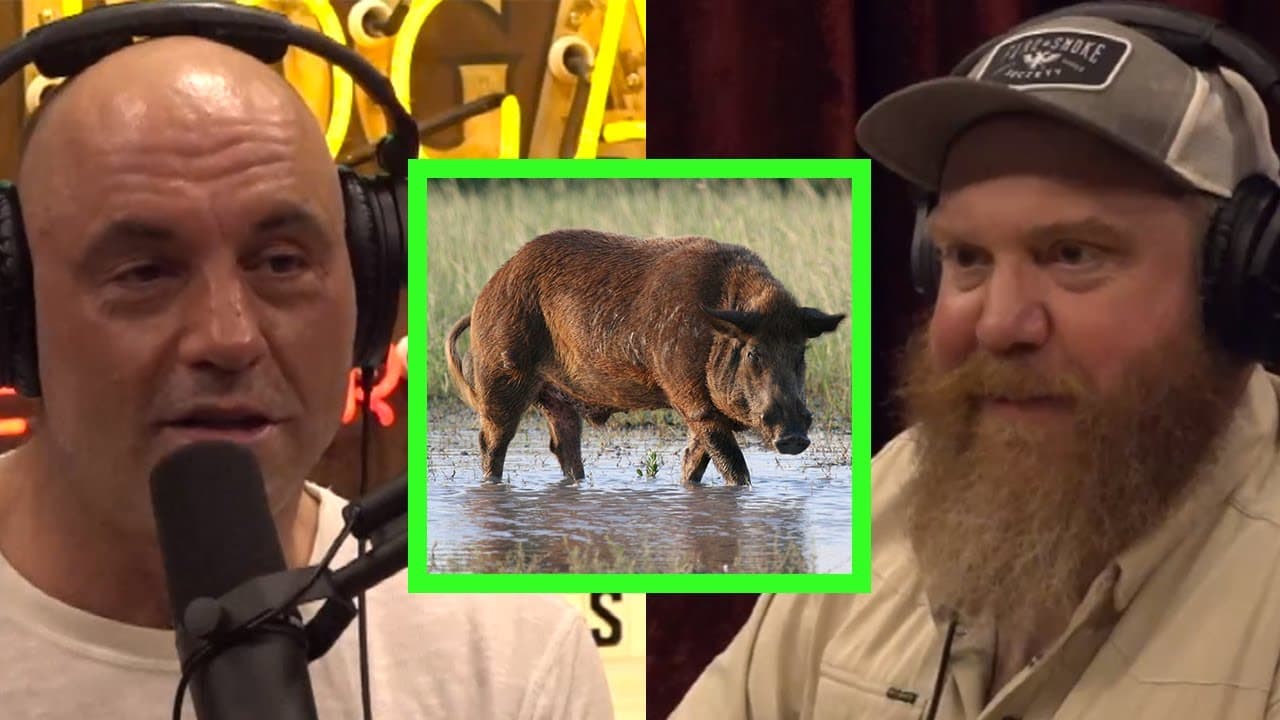
Feral hogs are a widespread issue in the US, with millions in Texas alone, causing ecological and agricultural problems.
Transcript
the jurgen experience the pig thing i'm glad you brought that up because that is one thing that i keep hearing out here from folks that uh there's an attitude about pigs that they're disgusting they're just dirty creatures and they kind of just want them dead and uh i've talked to people that go helicopter hunting and uh i go what do you do with al... Read More
Key Insights
- 🦔 Feral hogs in the US, estimated at 6 million, are a widespread issue with significant ecological and agricultural consequences.
- ❓ Their rapid breeding, adaptability, and destructive behavior contribute to their population explosion and spread.
- 🦔 Feral hogs have become established in various regions, causing damage through rooting, spreading diseases, and competing with native wildlife.
- 🦔 Efforts to control the feral hog population include hunting, trapping, and population management strategies.
- 😌 The distinction between feral hogs and domestic pigs lies in their adaptation to the wild environment and physical/behavioral changes.
- 🦔 Ecological impacts of feral hogs include habitat destruction, soil erosion, and disruption of native species.
- 👱 Domestic pigs that escape and turn feral exhibit physical changes like shaggy hair and elongated snouts to survive in the wild.
Install to Summarize YouTube Videos and Get Transcripts
Explore YouTube Video Summarizer or Get YouTube Transcript Extractor
Questions & Answers
Q: How did the feral hog population become so widespread in the US?
The introduction of feral hogs in the 1500s by explorers and settlers, coupled with their rapid breeding and adaptability, has led to their widespread presence and population explosion.
Q: What ecological and agricultural impacts do feral hogs have?
Feral hogs cause extensive damage by rooting, destroying crops, competing with native wildlife for resources, and contributing to the spread of diseases, impacting ecosystems and agriculture.
Q: What distinguishes feral hogs from domestic pigs?
Feral hogs are domestic pigs that have escaped and adapted to the wild environment, developing physical and behavioral changes like shaggy hair, elongated snouts, and nocturnal behavior.
Q: Are efforts being made to control the feral hog population?
Various control measures such as hunting, trapping, and population management strategies are employed to mitigate the ecological and agricultural damage caused by the feral hog population.
Summary
This excerpt from a video discusses the issue of feral hogs in the United States, particularly in Texas. The speaker addresses common misconceptions about pigs and explains the staggering numbers and reproductive capabilities of feral hogs. They also talk about the origins of feral hogs in the country and the challenges associated with managing their populations. The conversation touches on the differences between boars and domestic pigs, the physical changes that occur when pigs become feral, and the difficulties in determining the genetic makeup of feral hog populations.
Questions & Answers
Q: What is the attitude towards pigs and why is it important to address this perception?
The attitude towards pigs is often negative, considering them dirty and disgusting creatures. However, it is important to challenge this perception because it affects how people deal with feral hogs and the waste they leave behind.
Q: How many feral hogs are estimated to be in the United States and in Texas specifically?
The estimate for feral hogs in the United States is around 6 million, and in Texas, it ranges between 2 and 4 million. The actual number in Texas is likely somewhere around 2.6 or 3 million, which is more than the entire population of Austin.
Q: Why do feral hogs reproduce so rapidly?
Feral hogs have no breeding season and can breed at a very young age, around five or six months. Their gestation period is three months, three weeks, and three days, and they can have litters of multiple piglets up to three times a year.
Q: What is the significance of feral hogs not being indigenous to the United States?
Feral hogs were brought to the country in the mid-1500s by Columbus and other explorers. They slowly built up their populations over time, and now, their numbers have exploded, causing various issues.
Q: Why are hogs considered an invasive species in Hawaii, even though they have been there for a long time?
Hogs are considered an invasive species in Hawaii because they have caused significant damage and have no natural predators there. While some argue that hogs have been there as long as people, it is still seen as a problem due to their destructive behavior.
Q: How did feral hogs spread throughout Texas?
The spread of feral hogs in Texas can be attributed to a hunting enthusiast who wanted to have year-round hunting opportunities. He trapped a few hogs and released them on his friend's ranch, which eventually led to the presence of feral hogs in almost all counties in Texas.
Q: Are feral hogs spreading to other states in the country?
Yes, feral hogs are spreading to other states, including a downward migration from Saskatchewan. These hogs are escaped domestic hogs, and once they cross over to the wrong side of the fence, they become feral.
Q: How do feral hogs differ from domestic pigs?
Feral hogs are domestic pigs that have escaped and are now on the wrong side of a fence. Physiologically, they undergo certain changes, such as shaggier hair and elongated snouts, which allow them to adapt to their new environment and root more effectively.
Q: Are there any purebred populations of specific hog breeds in the United States?
It is challenging to find purebred populations of specific hog breeds in the United States due to extensive interbreeding with standard feral pigs. However, there is one exception on Osaba Island off the coast of Georgia where a purebred Iberian hog population has been sustained.
Q: What is the significance of the purebred Iberian hog population on Osaba Island?
The population of purebred Iberian hogs on Osaba Island is unique because it is the only sequestered population in the United States. These hogs produce the highly valued Serrano ham, which can cost up to $150 per pound.
Takeaways
This conversation sheds light on the issue of feral hogs in the United States, particularly in Texas. The staggering numbers and rapid reproductive capabilities of feral hogs highlight the urgent need to address their populations. The speaker also highlights the misconceptions surrounding pigs and the challenges in managing feral hog populations. Understanding the origins and characteristics of feral hogs is essential in developing effective strategies to mitigate their impact on the environment and agricultural resources.
Summary & Key Takeaways
-
Feral hog populations in the US, estimated at around 6 million, pose a significant problem due to their rapid breeding and destructive behavior.
-
Introduced in the 1500s, feral hogs have exploded in numbers, causing ecological damage and spreading across the country.
-
Differentiating between feral hogs and domestic pigs, their adaptability and breeding habits contribute to their widespread presence and impact.
Read in Other Languages (beta)
Share This Summary 📚
Summarize YouTube Videos and Get Video Transcripts with 1-Click
Try YouTube Summary with ChatGPT & Claude or YouTube Transcript Generator
Explore More Summaries from PowerfulJRE 📚






Summarize YouTube Videos and Get Video Transcripts with 1-Click
Try YouTube Summary with ChatGPT & Claude or YouTube Transcript Generator