How Much Protein Do Americans Actually Need?
TL;DR
Most Americans need about 50 grams of protein daily on a 2,000-calorie diet, an amount available from a six-ounce steak, although individual needs can vary within the recommended calorie range. Demand is rising because consumers want convenient, affordable nutrition, while GLP-1 weight-loss drugs have increased concern about preserving lean mass during weight loss.
Transcript
Pop-Tarts protein. Why oh why? Why do we need this high protein content? Protein drinks. Everybody wants protein. Protein is an essential macronutrient. And macronutrient just means that we need it in large amounts from our diet to help us uh be healthy. Joviva Barrow is a professor of molecular nutrition at Cornell. We can get them from vegetables... Read More
Key Insights
- • Protein is an essential macronutrient that the body digests into amino acids. Those amino acids support numerous biochemical reactions that help maintain health, and protein can come from vegetables, soy products, animal foods, or supplements.
- • The recommended protein range for an average American is 10% to 35% of total calories. On a 2,000-calorie diet, 10% equals about 200 calories from protein, or approximately 50 grams for the day.
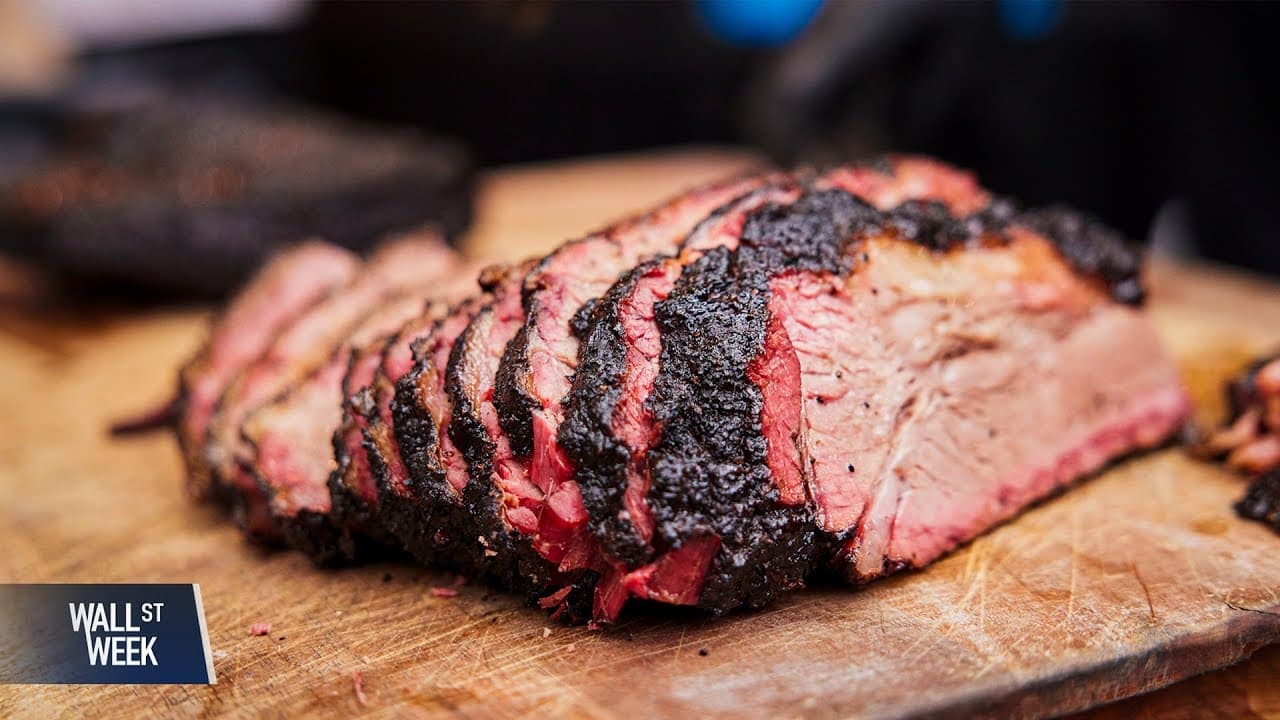
- • A six-ounce steak provides about 50 grams of protein, which the Cornell nutrition professor describes as enough to meet an average American’s daily requirement. This illustrates why many people may already consume sufficient protein without adding supplements.
- • American meat consumption has increased by more than 100 pounds per person since 1909. Over the last 10 years, chicken consumption alone has grown by nearly 19 pounds, while beef and pork consumption have remained relatively steady.
- • Yogurt, cottage cheese, and eggs were among the fastest-growing fresh grocery segments in 2025. Each was seeing double-digit grocery sales growth, supported by a health halo, strong protein content, and an ability to accommodate varied flavors.
- • GLP-1 use is associated in emerging evidence with lean mass declining alongside fat loss in some patients. Whether higher protein intake can compensate, and why this loss occurs, remain under investigation, but meeting protein needs is considered important.
- • David Protein’s bar contains 28 grams of protein and zero grams of sugar while retailing for around $3 per bar. Its positioning emphasizes delivering substantial protein with limited calories, sugar, preparation, and cost compared with some meal options.
- • Nutrient sequencing works by eating the protein source first, waiting about 10 minutes, and consuming the carbohydrate source afterward. The reported findings include improved blood glucose, increased natural GLP-1 secretion, and better insulin profiles without changing the foods in a balanced diet.
Install to Summarize YouTube Videos and Get Transcripts
Explore YouTube Video Summarizer or Get YouTube Transcript Extractor
Questions & Answers
Q: How much protein does the average American need daily?
The average American is advised to obtain 10% to 35% of total calories from protein. For a 2,000-calorie diet, the lower end of that range is 200 calories from protein, which equals about 50 grams. A six-ounce steak can provide roughly that entire amount, showing that ordinary food may already cover the average daily requirement.
Q: Why are Americans consuming more protein?
Americans increasingly associate protein with health, weight loss, and changes in body composition. Demand is also supported by the popularity of convenient foods, higher meat consumption, and interest in maintaining lean mass while using GLP-1 weight-loss drugs. Products such as yogurt, cottage cheese, eggs, turkey, and protein bars fit these priorities while offering adaptable flavors or easy preparation.
Q: How are GLP-1 weight-loss drugs affecting protein demand?
GLP-1 drugs have shifted weight loss away from relying only on recurring diet trends and toward medication. Emerging evidence indicates that some patients lose lean mass along with fat, creating concern about meeting protein needs. Because users may reduce total calories, they can seek protein as a larger share of their intake, encouraging products marketed specifically toward GLP-1 users.
Q: Do GLP-1 users need more protein to prevent muscle loss?
The transcript does not establish that GLP-1 users require a specific higher protein amount. Research is still examining why some patients experience lean mass loss and whether increasing protein can compensate for it. The stated practical priority is to ensure that people losing lean mass continue meeting their protein needs, even as they reduce their overall calorie intake.
Q: Are protein supplements better than natural protein foods?
Natural foods are presented as the preferred option because they provide more than isolated protein, including other healthy components that may be absent from supplements or highly processed products. A balanced diet containing appropriate carbohydrates, proteins, fats, macronutrients, and micronutrients is considered best. Supplements can still offer a practical alternative when time, preparation, affordability, or daily routines make balanced meals difficult.
Q: What is nutrient sequencing and how does it work?
Nutrient sequencing means changing the order in which foods from an otherwise balanced meal are eaten. The approach described starts with the protein source by itself, followed by a wait of about 10 minutes, and then the carbohydrate source. Reported results include improved blood glucose, greater natural GLP-1 secretion, and better insulin profiles simply from changing the eating order.
Q: Why are turkey and chicken benefiting from protein demand?
Chicken consumption has increased by nearly 19 pounds over the last 10 years, while beef and pork have stayed relatively steady. Turkey is positioned as naturally high in protein, low in fat, and economical, especially during the holidays at about a dollar per pound. Ground turkey is also gaining interest as consumers seek everyday uses and alternatives to high-priced ground beef.
Q: What makes high-protein bars attractive to consumers?
High-protein bars appeal through convenience, portability, and the ability to add protein without preparing a full meal. David Protein’s bar provides 28 grams of protein, contains zero grams of sugar, and sells for around $3 per bar. It is positioned as a way to supplement lower-protein meals and help consumers pursuing 100 to 150 grams daily bridge their intake gap.
Summary & Key Takeaways
-
Protein has become a major focus of American eating, appearing in meat, dairy products, supplements, and even familiar packaged foods. Consumption is rising as shoppers associate protein with health, weight management, and body composition. Chicken, yogurt, cottage cheese, eggs, turkey, and protein bars are all benefiting from this demand.
-
The average American is advised to obtain 10% to 35% of total calories from protein. On a 2,000-calorie diet, the lower end equals about 50 grams daily. Many people can meet that amount through ordinary food, and natural sources also provide nutritional components that isolated supplements may lack.
-
GLP-1 weight-loss drugs are changing how consumers approach nutrition because some patients experience lean mass loss alongside fat loss. This creates interest in protein-rich products that deliver substantial protein with fewer calories. However, research into protein compensation remains ongoing, and balanced meals are still presented as the preferred nutritional approach.
Read in Other Languages (beta)
Share This Summary 📚
Summarize YouTube Videos and Get Video Transcripts with 1-Click
Try YouTube Summary with ChatGPT & Claude or YouTube Transcript Generator
Explore More Summaries from Bloomberg Television 📚






Summarize YouTube Videos and Get Video Transcripts with 1-Click
Try YouTube Summary with ChatGPT & Claude or YouTube Transcript Generator