Why Are Asian Games Outpacing Western Studios?
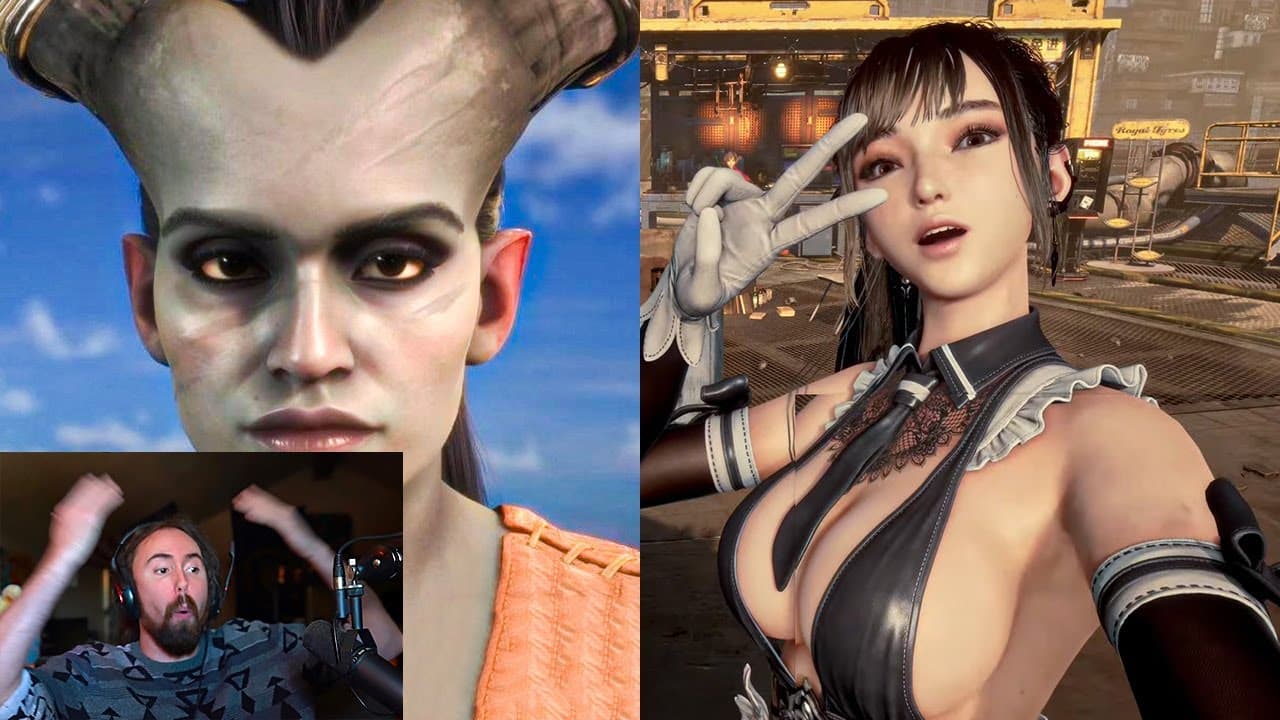
TL;DR
Asian games are outpacing many Western studio releases by emphasizing fluid combat, appealing characters, recognizable action formulas, and responsiveness to player feedback. Stellar Blade, The First Berserker: Khazan, Black Myth: Wukong, and Wuchang: Fallen Feathers illustrate this approach; Wuchang peaked at 131,000 players despite performance criticism. Read on to see how player-focused design, technical support, and industry pressures shape the East-versus-West comparison.
Transcript
Western G. This is really sad, bro. So, I'm very much a homebody, almost embarrassingly so. And weekends are when I have the most time to dive into whatever game I'm currently playing through up until about 3 weeks ago. That was Clare Obscure, which yes, I finally beat. But this weekend was no different. It's midnight on Friday night, and I'm worki... Read More
Key Insights
- Eastern developers are gaining attention by making games that emphasize fluid combat, attractive protagonists, replay appeal, and recognizable action mechanics. The discussion presents Stellar Blade and The First Berserker: Khazan as examples of Korean games that keep players engaged through strong moment-to-moment play.
- Black Myth: Wukong is described as a major breakthrough for Chinese AAA development because it demonstrated that Western audiences would play an ambitious single-player game shaped by Chinese culture and style. Its commercial reception is portrayed as encouraging more Chinese projects to pursue global audiences.
- Genshin Impact is identified as an earlier breakthrough because it brought a gacha game into the Western market on a large scale. The conversation argues that its success established an audience before Black Myth: Wukong expanded expectations for Chinese games beyond that business model.
- Wuchang: Fallen Feathers reached a stated peak of 131,000 players despite receiving criticism for poor performance. Its developers apologized, released patches, and distributed in-game loot, actions presented as evidence that the team was responding directly to dissatisfied players.
- Soulslike fatigue is characterized as dissatisfaction with poorly made games rather than exhaustion with the broader formula. The discussion argues that checkpoints, refillable healing, evasive combat, monsters, and boss encounters are common action-game elements, so quality matters more than the label.
- Western AAA development is criticized for recycling formulas, expanding live-service systems, adding microtransactions, and prioritizing messages over enjoyable gameplay. The speakers argue that these choices weaken trust because players are paying more while receiving less ownership and fewer consumer freedoms.
- Earlier Western games are presented as evidence that player-focused development once flourished. Assassin’s Creed II is praised for Renaissance Italy and its protagonist, while Mass Effect and Dragon Age are credited with extensive dialogue and branching narratives that strengthened emotional connections.
- Player respect is framed as a practical business strategy rather than an act of affection. The discussion argues that Chinese, Korean, and Japanese companies pursue enjoyable, responsive design because selling copies is their objective, and recent successes suggest that this approach can work.
Install to Summarize YouTube Videos and Get Transcripts
Explore YouTube Video Summarizer or Get YouTube Transcript Extractor
Questions & Answers
Q: Why are Asian games outpacing Western studios?
The discussion argues that developers from China, Korea, and Japan are attracting players with fluid combat, appealing characters, replay value, and culturally distinctive projects. Their games are presented as respecting players’ time and money, while some Western AAA studios are criticized for repetitive formulas, live-service pressure, microtransactions, and choices that overlook what customers enjoy.
Q: Which Asian games demonstrate this player-focused approach?
Stellar Blade and The First Berserker: Khazan are praised for fun, fluid combat, attractive protagonists, and a compelling “one more try” quality. Genshin Impact, Black Myth: Wukong, and Wuchang: Fallen Feathers are also presented as releases that expanded Western interest in games from China and Korea.
Q: How did Black Myth: Wukong affect perceptions of Chinese games?
Black Myth: Wukong is presented as evidence that Western audiences will play an ambitious single-player game shaped by Chinese culture and style. The discussion portrays its commercial reception as encouragement for other Chinese developers and investors to pursue global audiences.
Q: Why was Genshin Impact important to the Western market?
Genshin Impact is described as an earlier breakthrough that brought a Chinese gacha game to Western players on a large scale. Its success established an audience for Chinese-developed games before Black Myth: Wukong broadened expectations beyond that business model.
Q: What happened with Wuchang: Fallen Feathers at launch?
Wuchang: Fallen Feathers reached a stated peak of 131,000 players but received substantial criticism for optimization and performance problems. Its developers apologized, released patches, and distributed in-game loot, though the discussion stresses that compensation does not replace fixing performance.
Q: Does the discussion believe players have Soulslike fatigue?
The discussion characterizes supposed Soulslike fatigue as fatigue with poorly made games rather than rejection of the broader formula. Checkpoints, refillable healing, evasive combat, monsters, and bosses are described as common action-game elements, so execution and performance matter more than the label.
Q: What industry pressures affect both Eastern and Western developers?
The gaming industry is described as facing rising development costs, investor pressure for live-service products, expanding microtransactions, content restrictions, and games disappearing when servers shut down. The discussion says every region faces these pressures, but studios distinguish themselves through how they respond to players.
Q: Which older Western games represent player-focused design?
Assassin’s Creed II, Mass Effect, Dragon Age, and Red Dead Redemption are cited as examples of Western games built with detailed worlds, strong mechanics, meaningful characters, and attention to audience enjoyment. Assassin’s Creed II is praised for Renaissance Italy and its protagonist, while Mass Effect and Dragon Age are credited with extensive dialogue and branching narratives.
Summary & Key Takeaways
-
The discussion contrasts recent games from China, Korea, and Japan with Western AAA releases. Stellar Blade, The First Berserker: Khazan, Wuchang: Fallen Feathers, Genshin Impact, and Black Myth: Wukong are presented as evidence that Eastern studios can reach Western players through enjoyable gameplay, appealing presentation, and culturally distinctive projects.
-
Western AAA gaming is portrayed as having moved away from its earlier player-focused strengths. Assassin’s Creed II, Mass Effect, Dragon Age, and Red Dead Redemption are cited as examples of games built with detailed worlds, meaningful characters, strong mechanics, and deliberate attention to what audiences enjoyed.
-
The industry faces rising development costs, investor pressure for live services, expanding microtransactions, server-dependent ownership, content restrictions, and recurring technical problems. The central argument is that every region confronts these pressures, but studios distinguish themselves through their responses, especially whether they listen to players, fix problems, and prioritize entertainment.
Read in Other Languages (beta)
Share This Summary 📚
Summarize YouTube Videos and Get Video Transcripts with 1-Click
Try YouTube Summary with ChatGPT & Claude or YouTube Transcript Generator
Explore More Summaries from Asmongold TV 📚






Summarize YouTube Videos and Get Video Transcripts with 1-Click
Try YouTube Summary with ChatGPT & Claude or YouTube Transcript Generator