Why Are AI Valuation Fears Hitting Asia?

TL;DR
AI demand remains structurally intact, but investors are becoming more selective about valuations, earnings, and the payoff from heavy investment. Asian markets face continued volatility as traders reassess Federal Reserve cuts, take profits after strong equity gains, and distinguish profitable AI suppliers from companies whose spending has not yet produced results.
Transcript
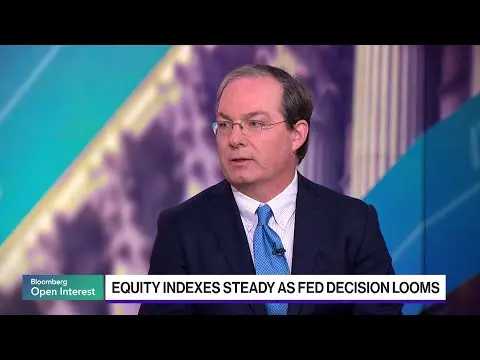
THIS IS THE ASIA TRADE LIVE FROM THE BLOOMBERG NEW ECONOMY FORUM IN SINGAPORE. I'M SHERY UN. ASIAN MARKETS FACING PRESSURE AFTER A BIG DOWN DAY ON WALL STREET. WORRY ABOUT THE FED'S ABILITY TO CUT INTEREST RATES. SHERY: JAPAN WANTING $11 BILLION EXTRA IN SPENDING. AVRIL: ALSO, YUCK LIU ON ITS DATA CENTERS. SHERY: PLUS, MORE ON THE ECONOMY FORUM AS ... Read More
Key Insights
- AI demand is structurally intact even as enthusiasm fades, because the investment theme is expanding beyond semiconductor manufacturers into software, applications, routers, and other companies that help unlock the capabilities of GPUs and faster chips across Asia and emerging markets.
- AI stock performance is becoming increasingly dependent on earnings, with companies delivering strong results outperforming businesses that are spending heavily without demonstrating a payoff. This dispersion suggests investors are evaluating execution and profitability instead of buying every company associated with artificial intelligence.
- Year-end volatility is likely to continue as investors reduce risk and realize profits after strong equity returns. U.S. stocks remained positive for the year, while emerging markets had gained 30%, giving market participants an incentive to take money off the table before reassessing 2026.
- Federal Reserve caution is supported by mixed employment signals and a lack of complete economic data. The interviewed investor expected rates to remain unchanged in December, while arguing that U.S. interest rates were still directionally likely to decline during the following winter or spring.
- China's market is supported by government policies targeting a 5% GDP growth rate and investment in technology, infrastructure, and semiconductors. The economy's growth base is described as broadening beyond property, while Chinese equity valuation multiples are characterized as not especially expensive.
- India is more vulnerable because it has not participated meaningfully in the AI trade and lacks the commodity and gold support that benefited Latin America and South Africa. Delayed progress in India-U.S. trade relations and weaker government support add uncertainty despite potential earnings growth.
- Korea benefits from AI-related semiconductor demand and stronger pricing power at Samsung and SK Hynix, which had previously been viewed largely as commodity businesses. Although Korea's market had risen 80% during the year, it was still described as relatively inexpensive by valuation measures.
- A weaker U.S. dollar is generally supportive for emerging markets because it can encourage risk-taking and improve conditions across Asia. Some dollar weakness had already been priced in, but potential Federal Reserve cuts in the first or second quarter could provide additional regional support.
Install to Summarize YouTube Videos and Get Transcripts
Explore YouTube Video Summarizer or Get YouTube Transcript Extractor
Questions & Answers
Q: Why are AI valuation fears hurting Asian markets?
AI valuation fears are pressuring Asian markets because investors are questioning whether heavy spending will generate adequate earnings. Nvidia's earnings beat did not prevent a decline in U.S. stocks, and that volatility spread into Asia. Investors are now distinguishing companies with strong earnings and pricing power from AI-linked businesses that are investing aggressively without showing a clear payoff.
Q: Is the artificial intelligence investment trade ending?
The artificial intelligence trade is described as structurally intact rather than finished. Demand is broadening from semiconductor companies into software, applications, routers, and other infrastructure needed to unlock GPUs and faster chips. The important change is greater selectivity, because companies with strong earnings are outperforming those that spend heavily on AI without yet producing measurable financial results.
Q: Will the Federal Reserve cut interest rates in December?
A December Federal Reserve cut remained uncertain because the employment report delivered mixed signals and policymakers expressed different views. The interviewed investor expected the Fed to exercise caution and keep rates where they were, particularly given incomplete data. However, the same outlook suggested U.S. rates were directionally headed lower during the following winter or spring.
Q: Why could market volatility continue through year-end?
Volatility could persist through year-end because investors have substantial profits to protect after a strong period for equities. U.S. stocks were positive for the year after several years of double-digit returns, and emerging markets had gained 30%. That performance creates incentives to reduce risk, realize gains, and wait for a clearer Federal Reserve outlook before entering 2026.
Q: Why does China look attractive among emerging markets?
China looks comparatively attractive because its equity valuation multiples were described as not especially expensive, while the government was supporting growth through technology, infrastructure, and semiconductor investment. Its new policy plan targeted 5% GDP growth, and the economy's growth base was broadening beyond property. These factors could support both economic activity and market valuations.
Q: Why is India more vulnerable than other emerging markets?
India appears more vulnerable because it has not participated strongly in the AI investment cycle that benefited Korea, Taiwan, and China. It also lacks the commodity and gold tailwinds that supported Latin America and South Africa. Delayed India-U.S. trade negotiations, relatively weak government support, and expensive valuations create additional risks even if earnings and growth remain positive.
Q: How is artificial intelligence affecting South Korea's market?
Artificial intelligence is strengthening demand for Korean semiconductor companies and improving perceptions of their pricing power. Samsung and SK Hynix had long been treated as commodity businesses, but current demand allows even commodity producers to exercise more pricing power. Korea's market had risen 80% during the year, yet it was still described as relatively inexpensive despite sharp retail-driven volatility.
Q: How could Federal Reserve cuts affect Asian markets?
Federal Reserve cuts could support Asian and emerging markets by weakening the U.S. dollar and encouraging a broader risk rally. Some benefits from dollar weakness had already been priced into markets, but additional room remained. If the Fed reduced rates in the first or second quarter, the resulting currency and risk conditions could provide further support across Asia.
Summary & Key Takeaways
-
Asian equities faced pressure after sharp swings on Wall Street, fading enthusiasm following Nvidia's earnings, and uncertainty about a December Federal Reserve rate cut. A mixed U.S. employment report strengthened the case for caution, while investors focused on labor market weakness, inflation risks, Treasury moves, dollar strength, and Bitcoin's difficulty rebounding.
-
The AI investment theme is broadening from semiconductor producers into software, applications, routers, and other infrastructure required to unlock faster chips and GPUs. At the same time, performance is becoming more dispersed. Companies reporting strong earnings are being rewarded, while businesses investing heavily without a visible payoff face greater skepticism from investors.
-
Asian opportunities differ substantially by market. China combines relatively moderate valuations with government support for technology, infrastructure, semiconductors, and a 5% GDP target. Korea benefits from AI demand and semiconductor pricing power despite retail-driven volatility. India remains expensive and has participated less in AI, commodities, and gold-related gains.
Read in Other Languages (beta)
Share This Summary 📚
Summarize YouTube Videos and Get Video Transcripts with 1-Click
Try YouTube Summary with ChatGPT & Claude or YouTube Transcript Generator
Explore More Summaries from Bloomberg Television 📚





Summarize YouTube Videos and Get Video Transcripts with 1-Click
Try YouTube Summary with ChatGPT & Claude or YouTube Transcript Generator