How Do Memories Shape Our Identity?
TL;DR
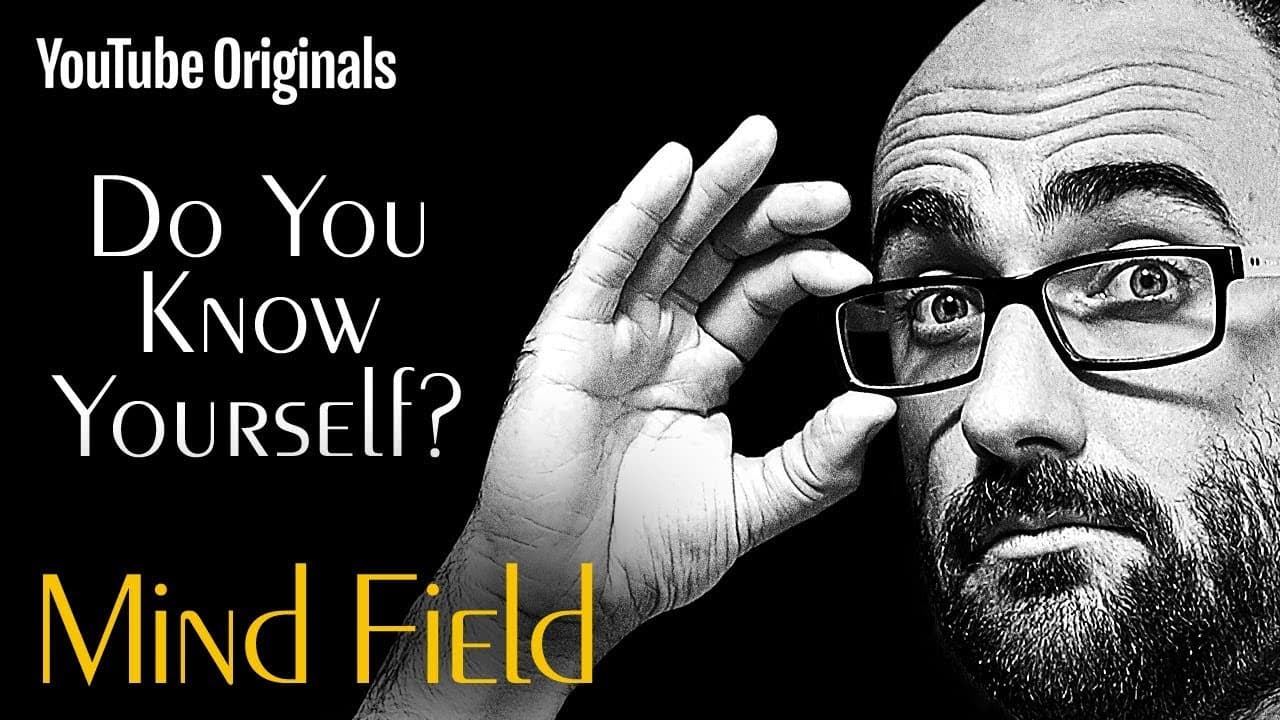
Memories play a crucial role in defining our identity, yet they are highly susceptible to manipulation, resulting in false memories. This video explores how our perception of self can be distorted and how individuals can justify choices and experiences that never actually occurred.
Transcript
[soft dramatic music] - Hi, I'm Michael Stevens, but who are you? Do you even know who you are? Are you your memories? - I don't remember that. - I don't remember that at all. - Are you the choices you make? The focus tester is actually a magician. - That's scary. [chuckles] - Or are you your past? - I hit the back of my head and I forgot my ent... Read More
Key Insights
- 👀 Photographs show us how we truly look to others, which may be different from our mirrored image.
- 🥺 Memories shape our identity, but they can be easily manipulated, leading to false memories.
- 🧠 The brain can justify and defend choices we never actually made, creating false justifications.
- 🤳 Retrograde amnesia erases all autobiographical memories, challenging one's sense of self.
- 🥺 False memories can be convincingly implanted in individuals, leading them to believe in fictional events.
- 😃 Eye-witness memories are often faulty and can have real-world implications in legal cases.
- 🤳 Our stories and narratives shape our sense of self more than actual past events.
Install to Summarize YouTube Videos and Get Transcripts
Explore YouTube Video Summarizer or Get YouTube Transcript Extractor
Questions & Answers
Q: How does the way we perceive our appearance in photographs affect our self-perception?
Photographs show us how we truly look to others, which often makes us dislike our appearance as it is different from the mirror image we see. This preference for our mirrored image is also reflected in our preference for how we look in selfies.
Q: How easy is it to create false memories?
False memories can be easily created, as shown in the fake game show "Who You Were." People can be made to believe and vividly recall memories that never happened with the help of suggestions and fabricated details.
Q: How does the brain justify and defend false choices?
The brain has a tendency to justify choices that were never made. In an experiment, subjects believed they had chosen certain faces for a workplace, even when those faces were swapped out with others. This phenomenon, known as choice blindness, shows how our minds create explanations for choices we never made.
Q: How does retrograde amnesia affect one's sense of self?
Retrograde amnesia, as experienced by Scott, erases all autobiographical memories, leaving a person questioning their own identity. Without memories, Scott feels like he stepped into someone else's life and struggles to define himself.
Summary & Key Takeaways
-
We tend to prefer our mirrored image because it is what we are used to seeing, while others see us as we truly are.
-
Memories are a crucial part of our identity, but they can be easily manipulated, leading to false memories.
-
A study shows that people can justify choices they never made and even believe false memories as their own.
-
Retrograde amnesia can lead to a loss of one's sense of self, as all autobiographical memories are erased.
Read in Other Languages (beta)
Share This Summary 📚
Summarize YouTube Videos and Get Video Transcripts with 1-Click
Try YouTube Summary with ChatGPT & Claude or YouTube Transcript Generator
Explore More Summaries from Vsauce 📚
Summarize YouTube Videos and Get Video Transcripts with 1-Click
Try YouTube Summary with ChatGPT & Claude or YouTube Transcript Generator