How to lower microplastics in your body and water?
TL;DR
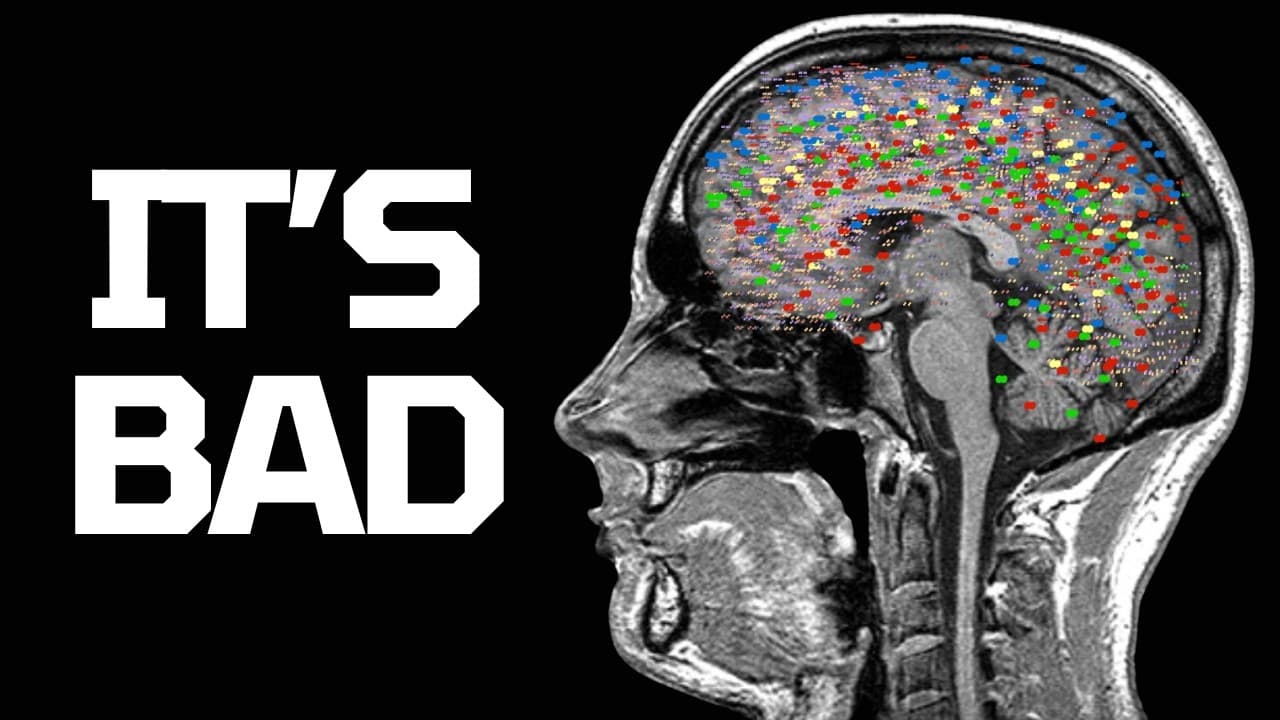
Microplastics enter the body through water, food, and inhalation, with brain and other tissues showing higher levels. Practical steps include avoiding plastic water bottles, using a stainless steel container, installing and understanding filtration, storing food in non plastic materials, avoiding canned goods, replacing plastic kitchen items with glass or metal, reducing plastic in the home, and considering at home testing to track progress.
Transcript
welcome to the class of Eternal youth I am Professor Johnson I'm so happy you are here with me the discussion today is about microplastics a topic that we have seen in the news lately we are going to discuss where they're coming from where they're at and what we can do about it so the average male testicle has 8.2 mg of microplastics and the Brain ... Read More
Key Insights
- Microplastics have been found in the brain and other tissues, signaling a potential health concern and the need for action.
- A practical rule is to avoid drinking water from plastic bottles and switch to a stainless steel container for everyday use.
- Home water filtration is recommended, with attention to filter micron size to ensure microplastics are captured.
- Store food in non plastic materials such as glass, ceramic, or stainless steel to reduce exposure.
- Avoid canned foods due to the potential for higher plastic-related contaminants.
- Replace plastic kitchen items with non plastic options including cutting boards, tools, and storage containers.
- Use materials like cotton, bamboo, linen, hemp, wool, and silk for personal care and rugs to limit microplastic shedding.
- AHEPA filtration for vacuuming can help capture microplastics while a plastic free laundry detergent reduces shedding.
Install to Summarize YouTube Videos and Get Transcripts
Explore YouTube Video Summarizer or Get YouTube Transcript Extractor
Questions & Answers
Q: How can I test my microplastics levels at home?
The video describes a home testing approach using a metal lancet to collect a blood sample on a card, which is then used to determine levels of microplastics at various particle sizes. This method is presented as part of Blueprint’s goal to create the world’s largest dataset on microplastics, enabling individuals to understand their own exposure and track changes over time.
Q: What are the main ways microplastics enter the body according to the video?
Microplastics can enter the body through drinking water from bottles or taps, through food or heated plastic contact, and by inhalation. The speaker also notes a potential but not yet fully evidenced route via skin absorption, emphasizing the need to be cautious about where plastics come into contact with the body.
Q: Why does the speaker discourage plastic water bottles?
The speaker emphasizes a personal rule to stop drinking water from plastic sources, arguing that reducing this exposure is a practical first step toward lowering microplastics intake. The recommendation is part of a broader habit shift toward stainless steel containers for everyday hydration.
Q: What kitchen changes are recommended to reduce microplastics exposure?
Recommended kitchen changes include storing food in non plastic materials like glass, ceramics, or stainless steel, avoiding plastic storage where possible, and replacing plastic cutting boards and utensils with non plastic or metal alternatives. Additionally, avoiding non stick pans in favor of cast iron or stainless steel is advised.
Q: What role do water filtration systems play in reducing microplastics?
Water filtration is highlighted as a way to reduce microplastics in drinking water. The speaker discusses different system costs and configurations, notes that some refrigerator filters may only filter to around one micron, and recommends selecting a system that achieves smaller micron filtration to remove microplastics effectively.
Q: Can receipts contribute to microplastic exposure and how should you handle them?
Receipts are noted as having high BPA levels, which are a concern for exposure. The guidance is to avoid handling receipts when possible, opt for digital versions, and wear gloves if handling is unavoidable, as part of reducing overall plastic and chemical exposure.
Q: What is the broader goal of Blueprint’s microplastics initiative?
The broader goal is to build the world’s largest dataset of microplastics exposure and responses, allowing researchers and participants to measure how interventions like filtration and reduced plastic use affect body levels. By quantifying actions and outcomes, the initiative aims to guide practical strategies to lower microplastics in real life.
Q: What daily habit does the speaker suggest for personal practice related to microplastics?
A practical habit suggested is to avoid drinking water from plastic sources and to carry a stainless steel water container everywhere. This habit is described as easy to adopt and central to reducing ongoing exposure from bottled or plastic contact in daily routines.
Summary & Key Takeaways
-
A broad plan is presented to reduce microplastics exposure by changing everyday habits and home setup, prioritizing non plastic storage, water filtration, and minimal plastic contact in food and personal care. The approach emphasizes measurement and community data to assess effectiveness.
-
The speaker frames microplastics as a rising concern with measurable body levels and outlines practical actions, including a personalized rule against plastic water bottles, a recommended filtration setup, and a shift to materials like glass, ceramic, and stainless steel across kitchen and personal care.
-
The overall goal is to build the world’s largest dataset on microplastics, test at home, and iteratively improve practices to lower exposure while sharing data for broader understanding and action.
Read in Other Languages (beta)
Share This Summary 📚
Summarize YouTube Videos and Get Video Transcripts with 1-Click
Try YouTube Summary with ChatGPT & Claude or YouTube Transcript Generator
Explore More Summaries from Bryan Johnson 📚

Summarize YouTube Videos and Get Video Transcripts with 1-Click
Try YouTube Summary with ChatGPT & Claude or YouTube Transcript Generator