What Is Green Hydrogen and How Can It Help the Environment?
TL;DR
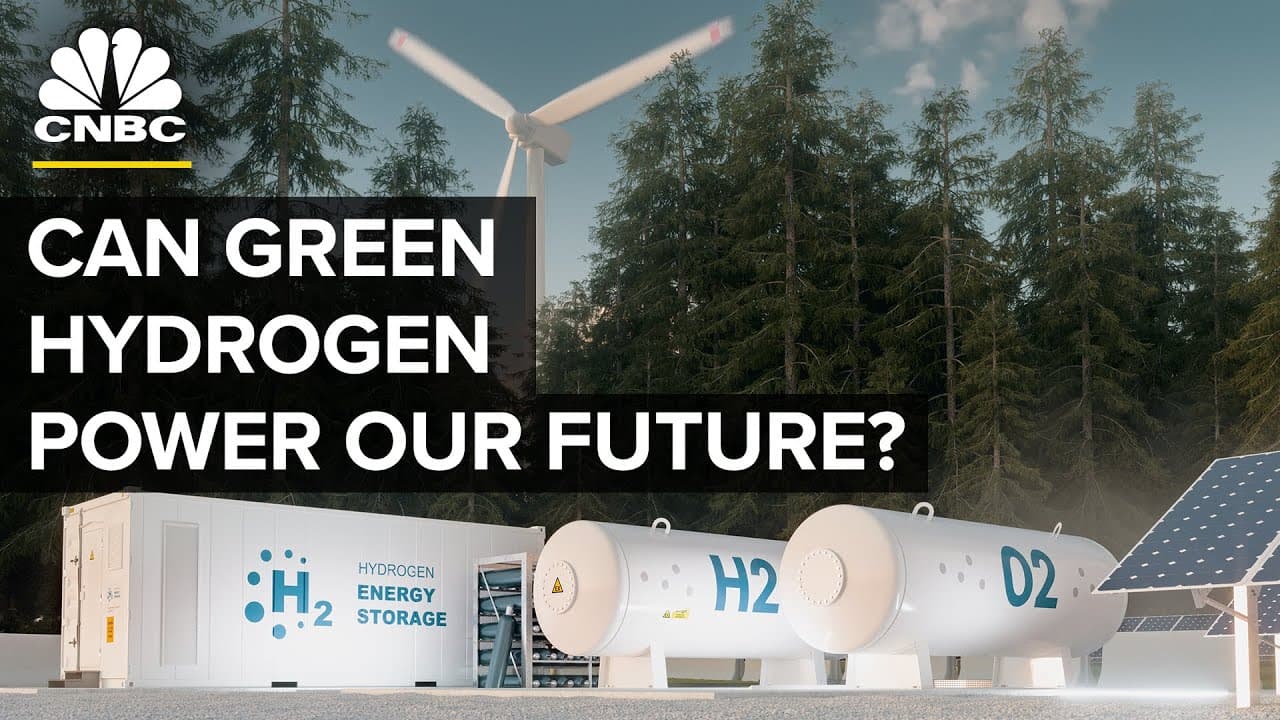
Green hydrogen is produced from renewable energy sources and serves as a clean alternative to decarbonize industries like transportation and steel manufacturing. While it holds great promise for reducing global carbon emissions, challenges such as high production costs, limited infrastructure, and reliance on fossil fuels must be addressed for its widespread adoption.
Transcript
humanity is facing an uphill battle when it comes to preserving our planet in order to avert some of the worst effects of climate change experts say that we need to stop global temperatures from rising 1.5 degrees celsius above pre-industrial levels to do this global carbon emissions need to drop to zero by 2050. it will take a variety of solutions... Read More
Key Insights
- 😮 Green hydrogen is crucial to achieving decarbonization goals and limiting global temperature rise.
- 💚 The production of green hydrogen is still expensive and largely reliant on fossil fuels, causing significant carbon emissions.
- 💚 Infrastructure challenges, such as transportation and storage, need to be addressed for the widespread adoption of green hydrogen.
- 🍵 Green hydrogen offers advantages such as clean burning, fast refueling times, and high energy storage capacity, making it suitable for long-haul transportation and hard-to-electrify sectors.
- 🚙 The adoption of hydrogen fuel cell vehicles has been slow due to infrastructure limitations, high costs, and competition from battery-powered electric vehicles.
- 🍉 Hydrogen's ability to store renewable energy for extended periods makes it an attractive option for grid stability and long-term energy storage.
- 💚 The cost of green hydrogen production and fuel cell components needs to come down, requiring further advancements and investments in research and development.
Install to Summarize YouTube Videos and Get Transcripts
Explore YouTube Video Summarizer or Get YouTube Transcript Extractor
Questions & Answers
Q: What is green hydrogen, and why is it gaining traction?
Green hydrogen refers to hydrogen produced exclusively from renewable power. It is gaining traction because it offers a clean burning alternative to decarbonize challenging sectors such as iron and steel industries, transportation, and home heating.
Q: Why is hydrogen production challenging?
Hydrogen is not found freely in nature and must be extracted from naturally occurring compounds like water, making the production process energy-intensive. Additionally, hydrogen production from fossil fuels is currently the norm, leading to significant carbon emissions.
Q: What are the barriers to widespread adoption of green hydrogen?
The high cost of producing green hydrogen, lack of infrastructure for transportation and storage, and expensive fuel cells are some barriers to adoption. Additionally, the current fueling station infrastructure is inadequate for hydrogen fuel cell vehicles.
Q: How can green hydrogen be used to store renewable energy?
Green hydrogen offers the ability to store excess renewable energy that would otherwise be wasted. This stored hydrogen can be converted back into electricity when the grid needs it, making it an ideal solution for long-term energy storage.
Key Insights:
- Green hydrogen is crucial to achieving decarbonization goals and limiting global temperature rise.
- The production of green hydrogen is still expensive and largely reliant on fossil fuels, causing significant carbon emissions.
- Infrastructure challenges, such as transportation and storage, need to be addressed for the widespread adoption of green hydrogen.
- Green hydrogen offers advantages such as clean burning, fast refueling times, and high energy storage capacity, making it suitable for long-haul transportation and hard-to-electrify sectors.
- The adoption of hydrogen fuel cell vehicles has been slow due to infrastructure limitations, high costs, and competition from battery-powered electric vehicles.
- Hydrogen's ability to store renewable energy for extended periods makes it an attractive option for grid stability and long-term energy storage.
- The cost of green hydrogen production and fuel cell components needs to come down, requiring further advancements and investments in research and development.
- Government policy and investment are crucial in driving the widespread adoption of green hydrogen and supporting its economic feasibility.
Summary & Key Takeaways
-
Humanity needs to limit global temperature rise to 1.5 degrees Celsius above pre-industrial levels, which requires a reduction in global carbon emissions to zero by 2050.
-
Green hydrogen, produced exclusively from renewable power, holds great potential to decarbonize sectors like iron and steel industries, transportation, and home heating.
-
Hydrogen can be produced through different methods, including fossil fuel extraction with carbon capture, electrolysis of water using renewable energy, and more. However, the majority of hydrogen today is derived from fossil fuels, leading to significant carbon emissions.
Read in Other Languages (beta)
Share This Summary 📚
Summarize YouTube Videos and Get Video Transcripts with 1-Click
Try YouTube Summary with ChatGPT & Claude or YouTube Transcript Generator
Explore More Summaries from CNBC 📚






Summarize YouTube Videos and Get Video Transcripts with 1-Click
Try YouTube Summary with ChatGPT & Claude or YouTube Transcript Generator