How Does Non-Local Communication Challenge Free Speech?
TL;DR
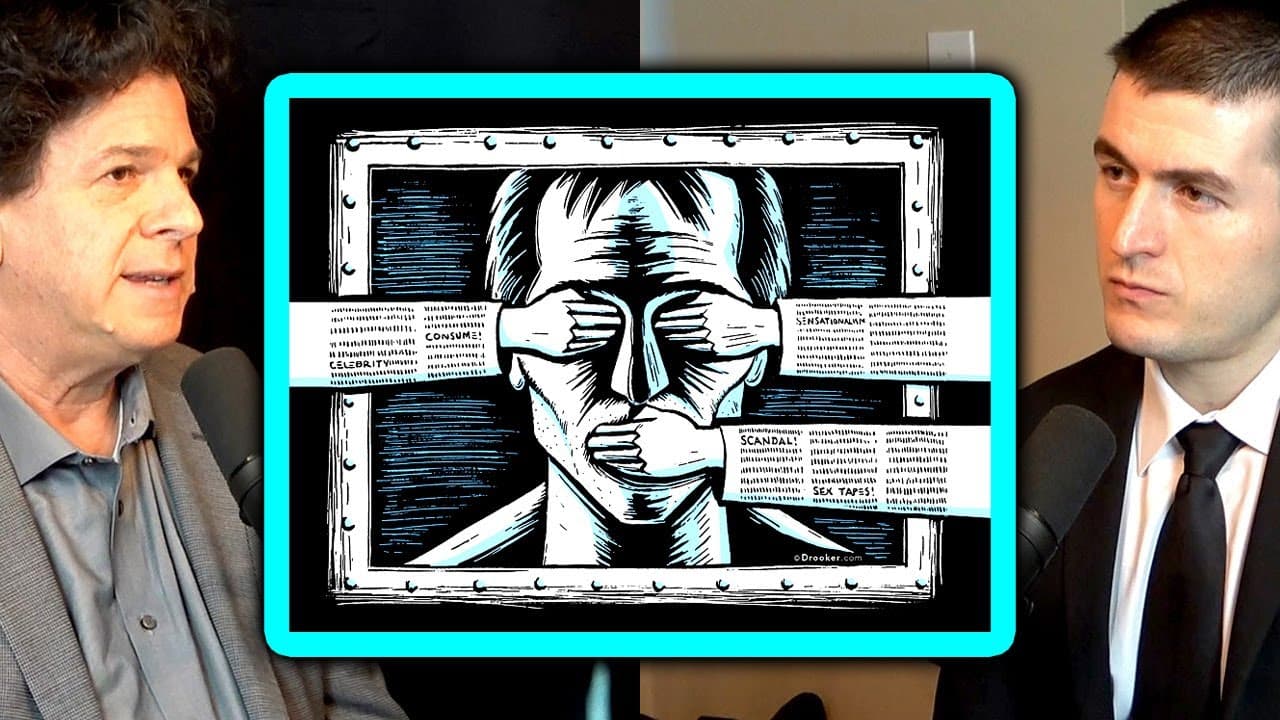
Non-local communication via social media disrupts the traditional understanding of free speech, raising questions about the relevance of the First Amendment today. To address these challenges, discussions on potentially amending the Constitution are essential. The transformation of speech dynamics requires a bold reassessment of how freedom of speech is defined and practiced in the digital era.
Transcript
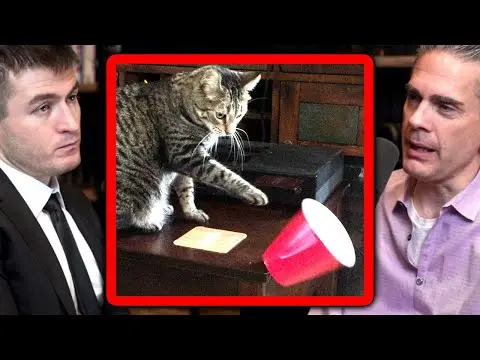
let's see what the problem is so my phone has been on airplane mode i'm going to unlock it i'm going to take a picture of lex ridden now if i can i'm going to tweet that picture out great but here's the weird part about it yeah um that picture sitting with lex today this th this ladies and gentlemen is how the sausage is made okay in so doing yes i... Read More
Key Insights
- 😯 Non-local communication challenges the traditional nature of speech and the boundaries of the First Amendment.
- 😯 The need for a reassessment of the ideal freedom of speech arises from potential incitement of violence through digital platforms.
- ☕ The abstract nature of speech in the digital era necessitates a discussion on how to adapt the principles of the First Amendment to the modern age.
- 🎙️ More videos with Eric Weinstein:
Install to Summarize YouTube Videos and Get Transcripts
Explore YouTube Video Summarizer or Get YouTube Transcript Extractor
Questions & Answers
Q: How does non-local communication through social media challenge traditional notions of speech?
Non-local communication allows messages to spread globally, blurring the boundaries of traditional speech and raising questions about the applicability of the First Amendment.
Q: Is there a need to amend the Constitution to address the challenges of non-local communication?
There is a need to either amend the Constitution or properly abstract its principles to account for the changing dynamics of communication in the digital era.
Q: What are the implications of banning individuals like Donald Trump from platforms like Twitter?
Banning individuals based on divisiveness raises concerns over the boundaries of freedom of speech, but incitement of violence and local harm may necessitate interventions.
Q: How do the abstractions of speech in the digital era impact the concept of freedom of speech?
Abstracting the bundle of freedoms protected by the First Amendment to the digital era requires a comprehensive examination of the implications and boundaries of speech.
Summary & Key Takeaways
-
The ability to communicate non-locally through platforms like social media presents a challenge as it bypasses traditional notions of speech.
-
The Constitution may need to be amended or properly abstracted to address the issues raised by non-local communication.
-
The changing nature of speech and the potential for incitement of violence highlight the need for a reassessment of the ideal freedom of speech.
Read in Other Languages (beta)
Share This Summary 📚
Summarize YouTube Videos and Get Video Transcripts with 1-Click
Try YouTube Summary with ChatGPT & Claude or YouTube Transcript Generator
Explore More Summaries from Lex Clips 📚
Summarize YouTube Videos and Get Video Transcripts with 1-Click
Try YouTube Summary with ChatGPT & Claude or YouTube Transcript Generator