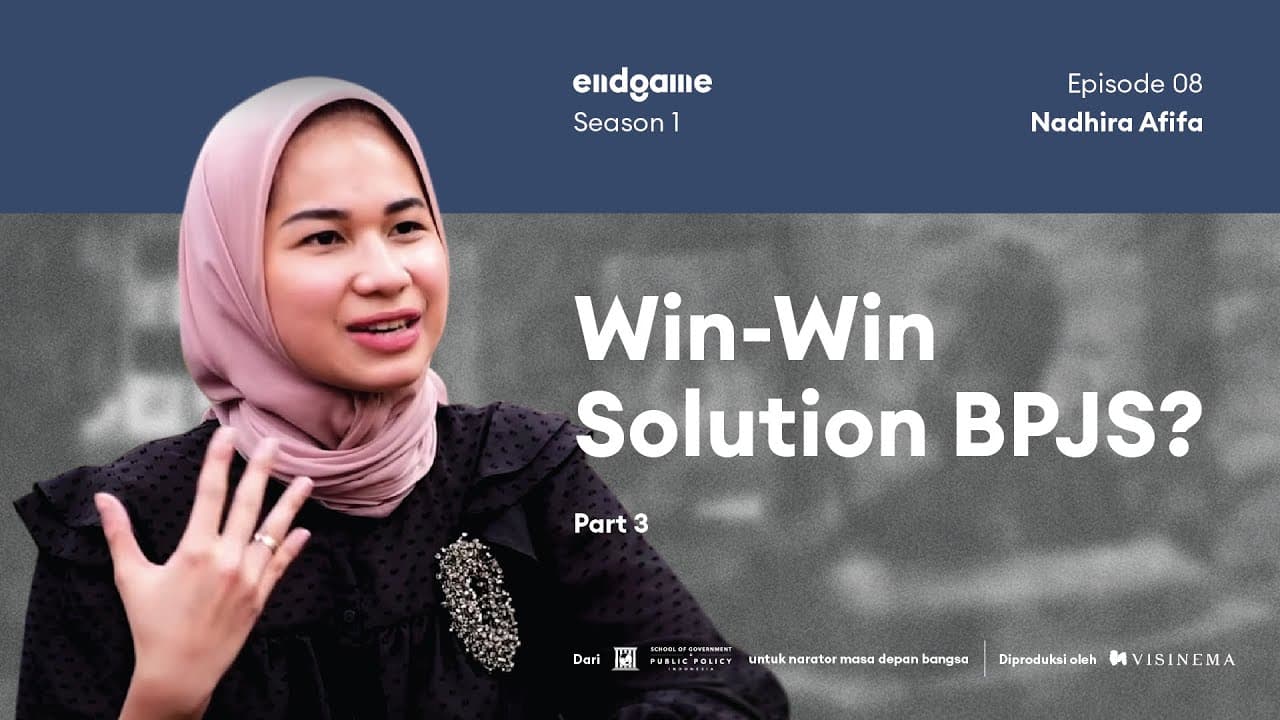
How Can Indonesia Improve Its Health Sector by 2045?
TL;DR
To improve its health sector by 2045, Indonesia must enhance coordination among institutions, integrate technology in healthcare, and prioritize R&D funding for innovation. Encouraging higher education, particularly PhD programs, will also be crucial for developing skilled professionals who can lead these advancements. Addressing financial sustainability of health insurance is vital to facilitate better access and services.
Transcript
It opened my eyes that Indonesia is still left behind. As a developing country, the quality of Indonesian human resources has been significantly improved. Yet, in the health sector, we're not so different as African countries or other under develop countries So, that's the thing we need to improve if I were a minister as you wish. Amen. [Voiceover:... Read More
Key Insights
- Indonesia's health sector needs significant improvement to match developed countries, focusing on better coordination among health institutions.
- Future leadership in Indonesia's health sector should integrate technology and management skills for effective policy-making.
- There's a need to encourage Indonesians to pursue higher education, especially PhDs, to boost research and development capabilities.
- Current R&D funding in Indonesia is insufficient, with a need for increased investment to enhance innovation and health advancements.
- BPJS insurance has improved healthcare access but poses financial challenges for hospitals and medical practitioners due to reimbursement issues.
- Indonesia's demographic bonus by 2045 should be supported by technological and health sector advancements to avoid unemployment issues.
- Social distancing and behavioral changes during pandemics can help prevent not only COVID-19 but also other communicable diseases.
- Indonesia has potential but needs actualization through better management and health sector reforms to become a leading global economy by 2045.
Install to Summarize YouTube Videos and Get Transcripts
Explore YouTube Video Summarizer or Get YouTube Transcript Extractor
Questions & Answers
Q: What are the main challenges in Indonesia's health sector?
Indonesia's health sector faces challenges such as poor coordination among health institutions, insufficient R&D funding, and financial strain on healthcare providers due to BPJS insurance reimbursement issues. These challenges hinder the sector's ability to match the standards of developed countries and require comprehensive reforms.
Q: How can Indonesia improve its research and development capabilities?
Indonesia can improve its R&D capabilities by increasing funding, encouraging higher education, especially PhDs, and enhancing infrastructure for research. This would involve creating policies that support innovation and providing necessary resources to researchers, enabling them to contribute significantly to health advancements.
Q: What role does BPJS insurance play in Indonesia's healthcare system?
BPJS insurance has increased healthcare access for Indonesians by providing affordable coverage. However, it poses financial challenges for hospitals and medical practitioners due to slow and insufficient reimbursement processes. Addressing these issues is crucial for the sustainability of the healthcare system.
Q: What is the significance of Indonesia's demographic bonus by 2045?
Indonesia's demographic bonus by 2045 presents an opportunity to boost economic growth if supported by advancements in technology and the health sector. Proper management is essential to ensure that the increase in the productive population leads to economic benefits rather than unemployment issues.
Q: How can behavioral changes during pandemics benefit public health?
Behavioral changes, such as social distancing and regular handwashing, adopted during pandemics can prevent not only COVID-19 but also other communicable diseases. These practices can become part of daily routines, contributing to overall public health improvements and reducing the spread of infections.
Q: What are the potential benefits of integrating technology in Indonesia's health sector?
Integrating technology in Indonesia's health sector can lead to more efficient healthcare delivery, improved patient outcomes, and better management of health data. It can also facilitate remote consultations and enhance the overall quality of healthcare services, making them more accessible to the population.
Q: Why is higher education important for Indonesia's future health sector?
Higher education, particularly in fields like public health and management, is crucial for developing skilled professionals who can lead reforms in Indonesia's health sector. Educated individuals can drive innovation, improve policy-making, and ensure that the sector meets international standards, ultimately enhancing public health outcomes.
Q: What is the vision for Indonesia's economy and health sector by 2045?
By 2045, the vision for Indonesia is to maximize its potential and become a leading global economy. This involves actualizing its demographic bonus, enhancing the health sector through technology and management integration, and ensuring sustainable economic growth through comprehensive reforms and investments in education and infrastructure.
Summary & Key Takeaways
-
The discussion highlights the need for Indonesia to improve its health sector by integrating technology and management skills, with a focus on better coordination among institutions.
-
Encouraging higher education, especially PhDs, is crucial for enhancing Indonesia's research and development capabilities, which are currently underfunded compared to other countries.
-
BPJS insurance has improved healthcare access but poses financial challenges for healthcare providers, highlighting the need for fiscal policy reforms to ensure sustainability.
Read in Other Languages (beta)
Share This Summary 📚
Summarize YouTube Videos and Get Video Transcripts with 1-Click
Try YouTube Summary with ChatGPT & Claude or YouTube Transcript Generator
Explore More Summaries from Gita Wirjawan 📚



Summarize YouTube Videos and Get Video Transcripts with 1-Click
Try YouTube Summary with ChatGPT & Claude or YouTube Transcript Generator