What Limits Helicopter Speed? Helicopter Physics Series #7, Smarter Every Day 51
TL;DR
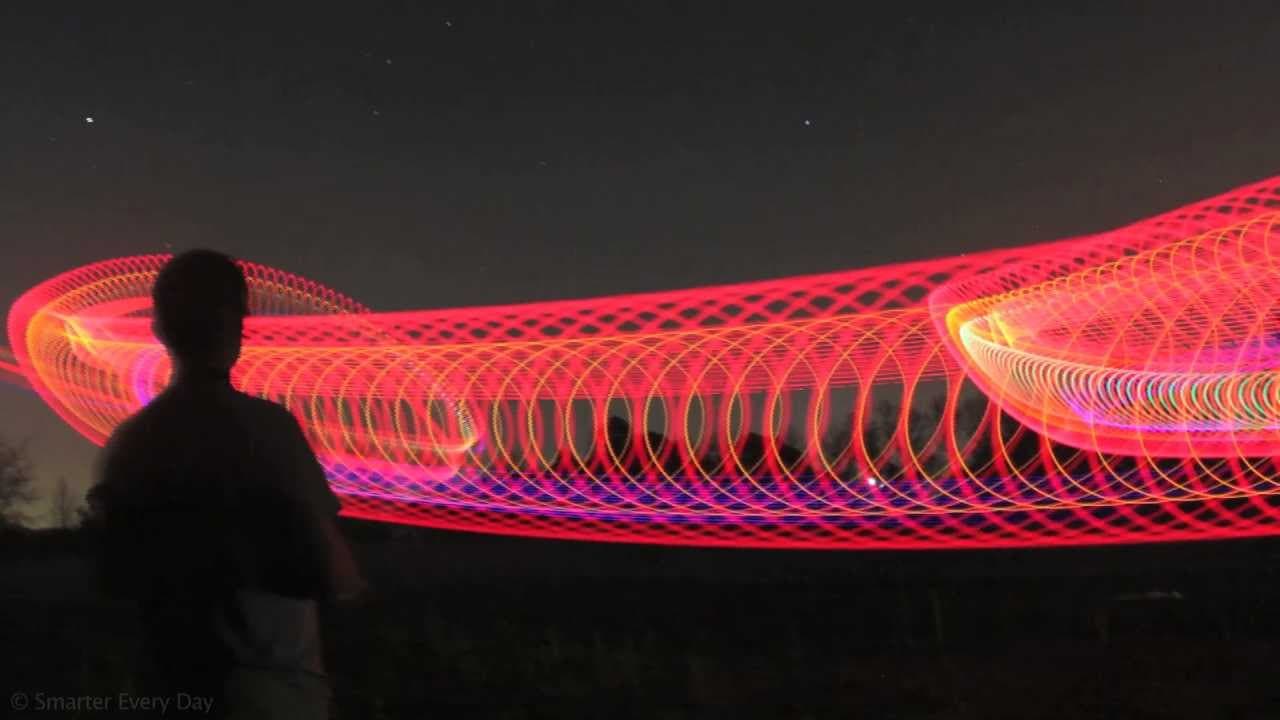
Helicopter physics limits forward speed because advancing and retreating rotor blades encounter different relative air velocities. Excessive speed can create damaging shock waves on the advancing side, while increased pitch on the retreating side can cause a retreating blade stall and loss of lift. Read on to understand dissymmetry of lift, its self-correcting effect, and why the Chinook is identified as the fastest helicopter in the US Army inventory.
Transcript
Helicopters have a speed limit that has nothing to do with laws. Well, unless you count the laws of physics. Hey it's me Destin. Welcome back to Smarter Every Day. The show where we do science. So today I'm gonna explain to you something pretty interesting about the dissymmetry of rotor flight. But before we get too serious, let's just have a lit... Read More
Key Insights
- ✈️ The dissymmetry of rotor flight is caused by the difference in speed and relative air velocity between the advancing and retreating blades.
- 🫢 Exceeding the speed limit of a helicopter can lead to shock waves and damage the rotor system.
- 😘 The retreating blade in rotor flight requires increased pitch to compensate for the lower airspeed and maintain lift.
- 🥺 A retreating blade stall, caused by excessive speed and pitch, can lead to a decrease in lift and potential control issues.
- 🤳 Gyroscopic procession helps maintain stability and self-corrects the helicopter's flight attitude during a retreating blade stall.
- 💨 The Chinook helicopter is the fastest in the US Army inventory, based on the information provided.
- 🧑✈️ The dissymmetry of rotor flight and its effects on helicopter speed are important considerations for pilots and engineers.
Install to Summarize YouTube Videos and Get Transcripts
Explore YouTube Video Summarizer or Get YouTube Transcript Extractor
Questions & Answers
Q: How does helicopter physics explain the speed limit of a helicopter?
A helicopter's advancing blade moves faster relative to the air, while its retreating blade moves more slowly relative to the air. If forward speed becomes too high, the advancing side can create shock waves and the retreating side can lose lift through a retreating blade stall.
Q: What causes dissymmetry of lift in forward helicopter flight?
Forward movement adds to the relative air velocity of the advancing blade but subtracts from the relative air velocity of the retreating blade. This difference causes the two sides of the rotor to produce unequal lift unless the rotor system compensates.
Q: How does a helicopter compensate for the retreating blade's lower airspeed?
The retreating side is given more pitch so that it produces more lift despite its lower relative airspeed. This compensation works only up to a point because excessive pitch can make the retreating blade stall.
Q: What happens if the advancing rotor blade approaches the sound barrier?
The advancing blade's velocity combines with the helicopter's forward airspeed. If the rotor airspeed becomes too high, shock waves can form and begin damaging components.
Q: What is a retreating blade stall?
A retreating blade stall occurs when the helicopter is moving so fast that the retreating blade requires excessive pitch to maintain lift. Once the pitch becomes too great, the blade loses lift.
Q: Why does a retreating blade stall pitch the helicopter instead of rolling it?
According to the explanation, gyroscopic procession shifts the effect of the lift difference between the left and right sides. The helicopter therefore pitches instead of rolling as might initially be expected.
Q: How can a retreating blade stall slow a helicopter automatically?
The loss of lift associated with the stall causes the helicopter to pitch because of gyroscopic procession. That pitching response slows the helicopter, making the problem self-correcting.
Q: Which helicopter is identified as the fastest in the US Army inventory?
Destin identifies the Chinook as the fastest helicopter in the US Army inventory. He presents it as the answer after asking viewers to compare three helicopters using what they learned in the helicopter physics series.
Summary & Key Takeaways
-
The dissymmetry of rotor flight occurs when one side of the helicopter's rotor has a smaller radius of curvature than the other side.
-
The advancing blade on the helicopter moves faster relative to the air, while the retreating blade has a lower relative velocity.
-
If a helicopter flies too fast, it can create shock waves and damage the rotor, and excessive pitch on the retreating side can lead to a retreating blade stall.
Read in Other Languages (beta)
Share This Summary 📚
Summarize YouTube Videos and Get Video Transcripts with 1-Click
Try YouTube Summary with ChatGPT & Claude or YouTube Transcript Generator
Explore More Summaries from SmarterEveryDay 📚





Summarize YouTube Videos and Get Video Transcripts with 1-Click
Try YouTube Summary with ChatGPT & Claude or YouTube Transcript Generator