How to Stop Puppy Resource Guarding
TL;DR
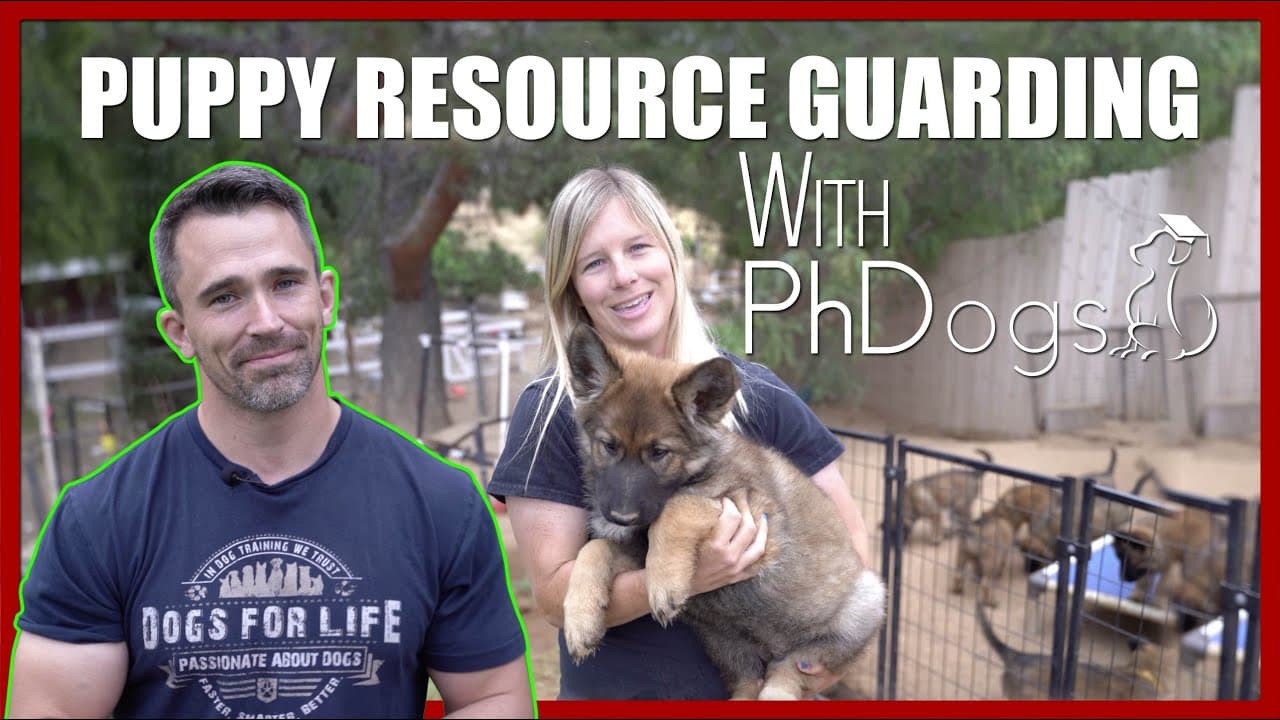
Bethany Preud'homme explains how to prevent resource guarding in puppies.
Transcript
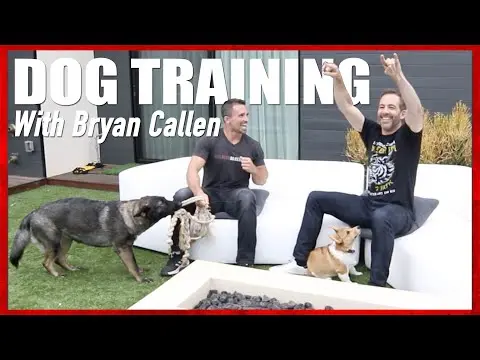
welcome back to another episode everyone today i'm here in riverside california at ph dogs with professional dog trainer bethany perdome she's going to be going over puppy resource guarding how to evaluate it and prevent it my name is bethany i am a breeder of working line belgian traverins and malinois this is not how i usually feed i'm just doing... Read More
Key Insights
- Resource guarding in puppies can be prevented by teaching them that human approach means positive outcomes, not loss.
- Bethany emphasizes the importance of sending working dogs home at eight weeks to avoid developing aggressive behaviors.
- Using high-value rewards can effectively teach puppies to trade items and prevent resource guarding.
- Frequent harassment during meal times can create anxiety; it's crucial to find a balance in training.
- Desensitizing puppies to human touch while eating helps them remain calm around children and adults.
- Bethany uses a variety of chew items to assess and train puppies, ensuring they don't develop guarding tendencies.
- The training focuses on making puppies associate human interaction with receiving something better, rather than losing something.
- The approach to preventing resource guarding includes demonstrating control over resources and rewarding appropriate behavior.
Install to Summarize YouTube Videos and Get Transcripts
Explore YouTube Video Summarizer or Get YouTube Transcript Extractor
Questions & Answers
Q: Why is it important to send working dogs home at eight weeks?
Sending working dogs home at eight weeks is crucial to prevent the development of aggressive behaviors. When puppies stay longer, they may start to exhibit resource guarding, especially if they are older than their peers. Early separation helps mitigate these tendencies and ensures they adapt well to their new environments.
Q: How does Bethany prevent resource guarding in puppies?
Bethany prevents resource guarding by creating a positive association with human approach. She teaches puppies that when a human approaches, it means they will receive something better, not lose what they have. This involves using high-value rewards and desensitizing puppies to human touch during meal times.
Q: What role do high-value rewards play in training against resource guarding?
High-value rewards are essential in training against resource guarding because they motivate puppies to trade items willingly. By offering something more desirable than what the puppy currently has, Bethany ensures that the puppy associates human interaction with positive outcomes, reducing the likelihood of guarding behavior.
Q: Why is it important not to harass puppies during meal times?
Harassing puppies during meal times can create anxiety and stress, leading to negative associations with eating. Bethany advises against constant interference, suggesting instead that training should be balanced and focused on reinforcing positive behavior without causing undue stress or anxiety for the puppy.
Q: How does Bethany use chew items in her training?
Bethany uses a variety of chew items to assess and train puppies, ensuring they don't develop guarding tendencies. By offering different items and observing the puppies' reactions, she can identify potential issues and use high-value rewards to teach them to trade items calmly and willingly.
Q: What is the significance of desensitizing puppies to human touch during meals?
Desensitizing puppies to human touch during meals is significant because it helps them remain calm and unguarded around people. This training ensures that puppies do not develop anxiety or aggressive behaviors when humans are near their food, making them more adaptable to family environments, especially with children.
Q: What approach does Bethany use to prevent resource guarding?
Bethany's approach to preventing resource guarding involves demonstrating control over resources and rewarding appropriate behavior. She teaches puppies to associate human interaction with receiving something better, rather than losing something. This method ensures puppies develop positive associations and do not resort to guarding behaviors.
Q: How does Bethany ensure puppies don't develop anxiety during training?
Bethany ensures puppies don't develop anxiety by balancing training sessions and not overdoing the interference during meal times. She focuses on reinforcing positive behavior and creating a calm environment, only intervening occasionally to reinforce training without causing stress or anxiety for the puppies.
Summary & Key Takeaways
-
Bethany Preud'homme, a professional dog trainer, demonstrates techniques to prevent resource guarding in puppies. She highlights the importance of positive associations and using high-value rewards to teach puppies to trade items calmly. Her approach involves desensitizing puppies to human touch during mealtime, ensuring they don't develop guarding behaviors.
-
The training session emphasizes sending working dogs home at eight weeks to prevent aggressive tendencies. Bethany uses various chew items to assess puppies' behaviors and teaches them to associate human approach with receiving something better. This method ensures puppies don't develop anxiety or guarding issues.
-
Bethany advises against constant harassment during meals, which can create anxiety in puppies. Instead, she recommends balancing training sessions to reinforce positive behavior. Her techniques focus on making puppies comfortable with human interaction, preventing resource guarding, and ensuring they remain calm around people.
Read in Other Languages (beta)
Share This Summary 📚
Summarize YouTube Videos and Get Video Transcripts with 1-Click
Try YouTube Summary with ChatGPT & Claude or YouTube Transcript Generator
Explore More Summaries from Nate Schoemer 📚


Summarize YouTube Videos and Get Video Transcripts with 1-Click
Try YouTube Summary with ChatGPT & Claude or YouTube Transcript Generator