How AI Debt Could Impact Your Retirement Savings
TL;DR
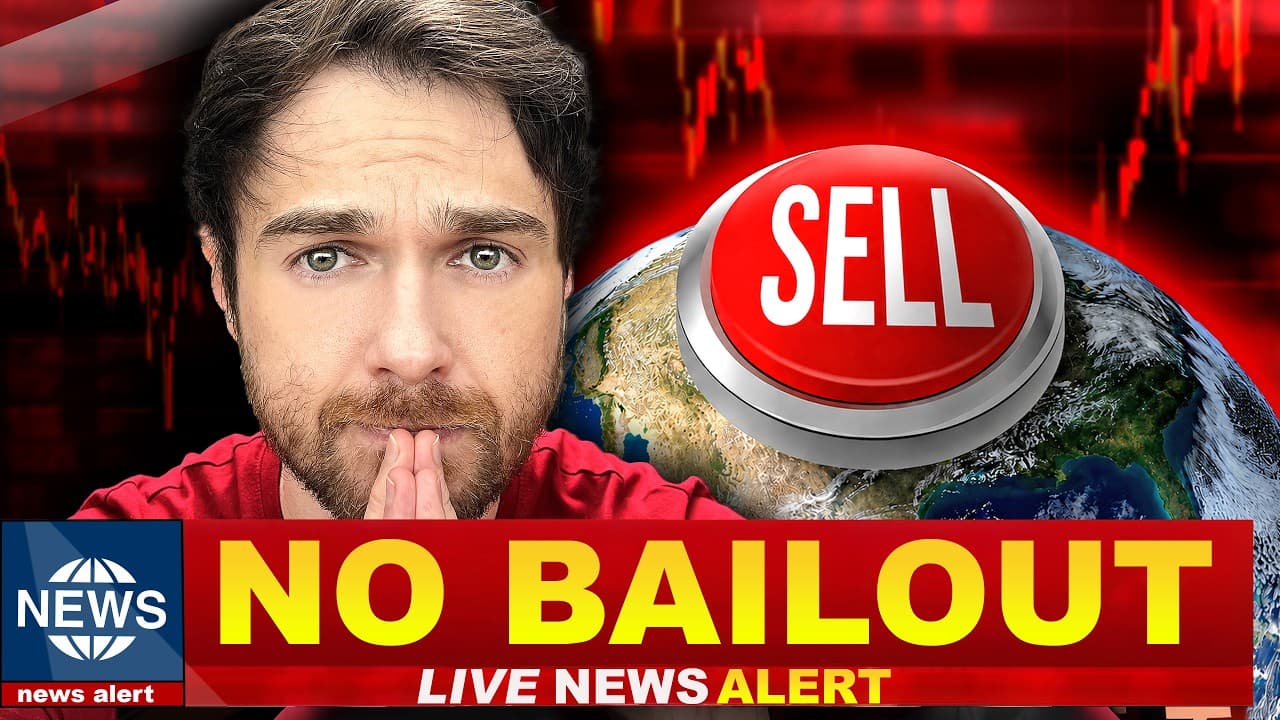
The video explores how AI-related debt is intertwined with insurance companies, potentially risking public funds if the AI bubble bursts. Insurance companies invest premiums into AI projects through private equity, creating a conflict of interest. If these investments fail, taxpayers may ultimately bear the cost due to state guarantee associations.
Transcript
So, there's a very credible theory that says this whole stock market right now is being propped up by AI and AI is being propped up by your insurance, which means if it fails, it'll be our money that disappears. And here's how this works. If you have a life insurance policy or something called an annuity or a pension, there's a rule you might not h... Read More
Key Insights
- AI debt is heavily tied to insurance companies, potentially risking public funds.
- State Guarantee Associations require insurance companies to cover each other's losses, ultimately affecting taxpayers.
- AI-related investments exceed $1 trillion, involving data centers and other infrastructure.
- Insurance companies invest premiums into private equity, which then funds AI projects.
- Regulations from 2008, like Regulation AB and RR, do not apply to AI securitizations.
- Private equity firms own insurance companies, creating potential conflicts of interest.
- AI investments are often moved offshore to places like Bermuda, reducing transparency.
- The AI debt structure mirrors pre-2008 financial practices, risking a similar financial crisis.
Install to Summarize YouTube Videos and Get Transcripts
Explore YouTube Video Summarizer or Get YouTube Transcript Extractor
Questions & Answers
Q: How is AI debt related to insurance companies?
AI debt is related to insurance companies because these companies invest their premiums into AI projects through private equity. This creates a conflict of interest as private equity firms often own the insurance companies, and if the AI investments fail, the public may ultimately bear the financial burden due to state guarantee associations.
Q: What role do state guarantee associations play in this context?
State Guarantee Associations play a crucial role by requiring insurance companies to cover each other's losses if one fails. This means that if AI-related investments held by insurance companies go bad, the financial burden could be transferred to the public through these associations, ultimately affecting taxpayers.
Q: Why are AI investments moved offshore?
AI investments are often moved offshore to places like Bermuda to take advantage of more flexible capital requirements, different accounting standards, and fewer disclosure obligations. This lack of transparency can obscure the true risk and extent of AI-related debt, making it harder to assess potential financial impacts.
Q: How does this situation compare to the 2008 financial crisis?
This situation mirrors the pre-2008 financial practices, where complex financial products and lack of transparency contributed to a crisis. AI debt is similar in that it involves securitization and offshore movement of liabilities, potentially leading to a financial crisis if these investments fail and the risks are not properly managed.
Q: What regulations from 2008 do not apply to AI securitizations?
Regulations such as Regulation AB, which requires asset-backed securities to disclose asset-level details, and Regulation RR, which mandates risk retention, do not apply to AI securitizations. This regulatory gap means that AI-related financial products may lack the transparency and risk management measures intended to prevent another financial crisis.
Q: What is the conflict of interest involving private equity and insurance companies?
The conflict of interest arises because private equity firms often own insurance companies and use the premiums to fund AI projects. This arrangement allows private equity firms to benefit from fees while the insurance companies and their policyholders bear the investment risks, potentially leading to financial losses for the public if these investments fail.
Q: How significant is the AI debt in the investment market?
AI-related debt is highly significant, comprising over $1 trillion and involving substantial infrastructure investments like data centers. This debt forms a large portion of the investment-grade bond market, even surpassing the banking sector, highlighting its potential impact on the broader financial system if the AI bubble bursts.
Q: What are the potential consequences if AI investments fail?
If AI investments fail, the consequences could include significant financial losses for insurance companies and their policyholders. Due to state guarantee associations, the financial burden may ultimately fall on taxpayers. This could lead to a financial crisis similar to 2008 if the risks are not properly managed and mitigated.
Summary & Key Takeaways
-
AI debt is significantly intertwined with the insurance sector, posing a risk to public funds if the AI bubble bursts. Insurance companies invest premiums into AI projects via private equity, creating a conflict of interest. If these investments fail, taxpayers may ultimately bear the cost due to state guarantee associations.
-
The video explains that AI investments exceed $1 trillion, involving significant infrastructure like data centers. Regulations from 2008, such as Regulation AB and RR, do not apply to AI securitizations, leading to potential transparency issues. Private equity firms owning insurance companies further complicate the situation.
-
AI investments are often moved offshore to places like Bermuda, reducing transparency and increasing risk. The AI debt structure mirrors pre-2008 financial practices, raising concerns about a potential financial crisis. The video highlights the importance of understanding these complex financial interconnections.
Read in Other Languages (beta)
Share This Summary 📚
Summarize YouTube Videos and Get Video Transcripts with 1-Click
Try YouTube Summary with ChatGPT & Claude or YouTube Transcript Generator
Explore More Summaries from Andrei Jikh 📚

Summarize YouTube Videos and Get Video Transcripts with 1-Click
Try YouTube Summary with ChatGPT & Claude or YouTube Transcript Generator