What Is the Traffic Lights Color Change Experiment?
TL;DR
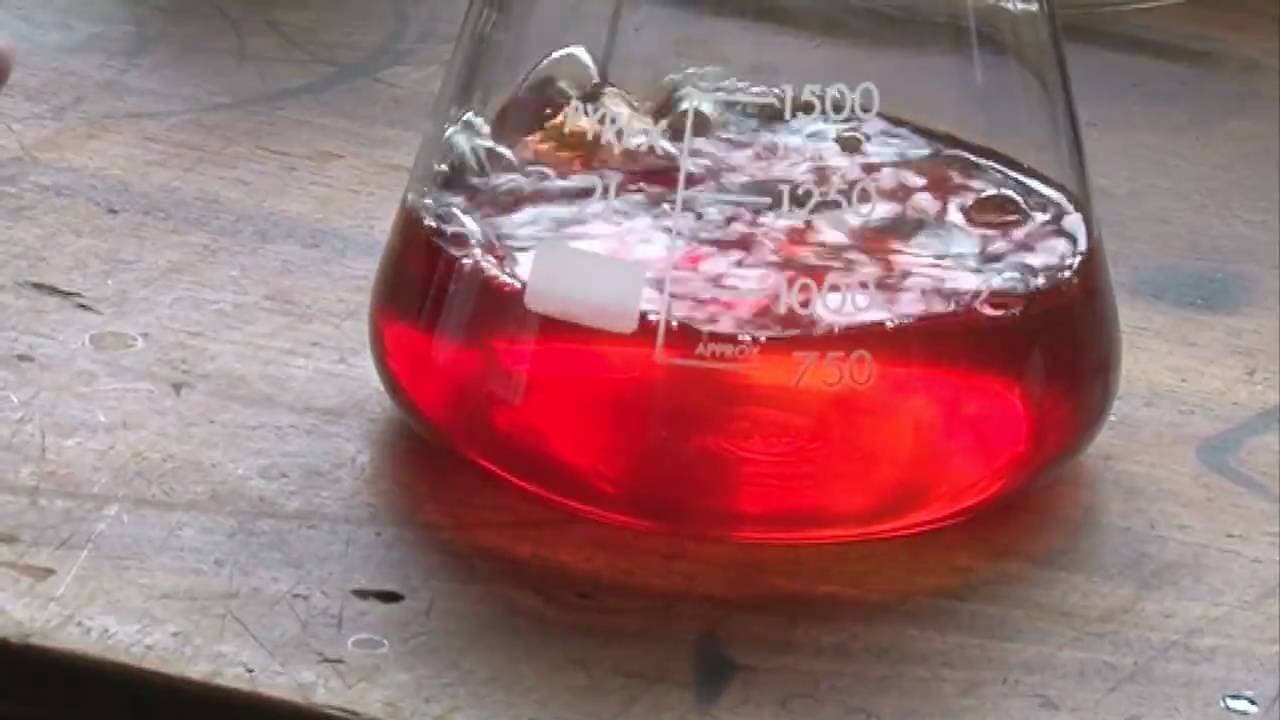
The Traffic Lights experiment demonstrates a colorful chemical reaction where solutions of glucose and sodium hydroxide change from blue to green, red, orange, amber, and finally yellow when combined with a dye and oxygen. This reversible reaction highlights the dynamic nature of chemical interactions and the role of oxygen in stimulating color changes.
Transcript
today we're going to be doing color change reaction and it's going to involve uh solid going into liquid all getting mixed together and by the addition of a die we'll be able to see the reaction changing color so this reaction actually has a name it's called traffic lights and I actually do this um at local primary schools when I go out and visit t... Read More
Key Insights
- 💱 The color change reaction involves a combination of glucose, sodium hydroxide, and a dye to produce vibrant color transitions.
- 😪 Sequential color shifts from blue to green, red, orange, amber, and yellow showcase the dynamic nature of the chemical reaction.
- ❓ The experiment highlights the importance of oxygen in stimulating a reversible reaction, facilitating a color metamorphosis.
- 😒 The use of a dye aids in visualizing the chemical process, making the color change reaction easily understandable.
- ❓ Different color stages in the reaction demonstrate the complexity and intricacy of chemical interactions.
- 🥺 Interaction with pure oxygen leads to distinct color changes, showcasing the influence of external elements in chemical reactions.
- 🤗 The addition of oxygen, either from the air or a pure oxygen cylinder, contributes to the color variation, offering a hands-on experience of chemical phenomena.
Install to Summarize YouTube Videos and Get Transcripts
Explore YouTube Video Summarizer or Get YouTube Transcript Extractor
Questions & Answers
Q: What components are crucial in the color change reaction demonstrated?
The experiment comprises glucose, sodium hydroxide, and a dye, creating a vivid transition from blue to various colors through a series of chemical interactions.
Q: Why does the color change occur in stages from blue to yellow?
The transition from blue to green, red, orange, amber, and yellow occurs due to the chemical composition of the solutions and the addition of oxygen, resulting in different color states.
Q: How does the addition of oxygen influence the color change reaction?
Oxygen plays a vital role in the reversible reaction by interacting with the components, causing a shift in color from yellow in hand to red when mixed and exhibiting a greenish tint due to oxygen exposure.
Q: What is the significance of using a dye in the color change reaction?
The dye serves as a visual indicator that triggers the color transformation, enhancing the experiment's educational value by showcasing the chemical process clearly.
Summary & Key Takeaways
-
Demonstrating a color change reaction involving solid and liquid components like sugar and sodium hydroxide.
-
Addition of a dye results in a dynamic color transformation from blue to green, red, orange, amber, and finally yellow.
-
The experiment showcases a reversible reaction stimulated by the introduction of oxygen, altering the color scheme.
Read in Other Languages (beta)
Share This Summary 📚
Summarize YouTube Videos and Get Video Transcripts with 1-Click
Try YouTube Summary with ChatGPT & Claude or YouTube Transcript Generator
Explore More Summaries from Periodic Videos 📚
Summarize YouTube Videos and Get Video Transcripts with 1-Click
Try YouTube Summary with ChatGPT & Claude or YouTube Transcript Generator