Is Histamine Behind Your Acid Reflux Issues?
TL;DR
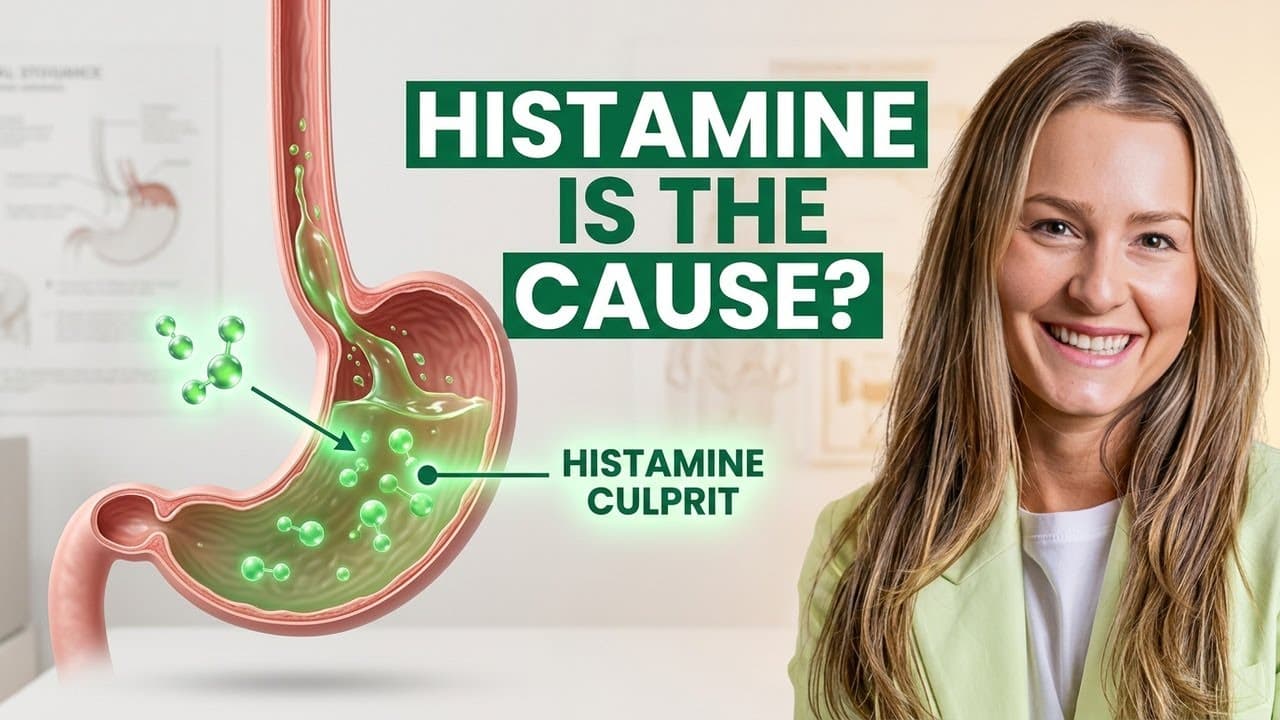
Histamine can exacerbate acid reflux by increasing acid secretion and causing inflammation in the esophagus. Conditions like mast cell activation syndrome and histamine intolerance can lead to excessive histamine, worsening reflux symptoms. Understanding these underlying causes is crucial for effective management, as traditional reflux treatments may not be sufficient.
Transcript
Hey there and welcome to the reflux revolution podcast. My name is Molly Peliter, registered dietitian, leader in nutrition for gird reflux LPR and founder of Flora nutrition and also a former GIRD sufferer myself for over a decade. I have been where you are and after years of struggling with reflux symptoms and feeling overwhelmed by conflicting a... Read More
Key Insights
- Histamine can increase acid secretion in the stomach, potentially worsening reflux symptoms.
- Mast cell activation syndrome (MCAS) can cause excessive histamine release, leading to inflammation and hypersensitivity in the esophagus.
- Low stomach acid is not typically a cause of reflux; conditions causing low acid do not usually result in reflux symptoms.
- Obesity and hiatal hernias are common physical causes of reflux due to increased abdominal pressure.
- Functional reflux may result from brain-gut interaction issues, with stress and anxiety exacerbating symptoms.
- Hypermobility syndromes can affect GI motility, potentially leading to reflux and other digestive issues.
- Histamine intolerance results from insufficient breakdown of dietary histamine, leading to systemic symptoms.
- Effective management of histamine-related reflux often requires identifying triggers and using medications to stabilize mast cells.
Install to Summarize YouTube Videos and Get Transcripts
Explore YouTube Video Summarizer or Get YouTube Transcript Extractor
Questions & Answers
Q: How does histamine contribute to acid reflux?
Histamine can exacerbate acid reflux by binding to receptors on stomach cells, increasing acid secretion. This can lead to inflammation in the esophagus and heightened sensitivity, causing symptoms like heartburn and regurgitation. Conditions like mast cell activation syndrome can cause excessive histamine release, worsening these symptoms.
Q: What are common causes of acid reflux?
Common causes of acid reflux include obesity, which increases abdominal pressure, and hiatal hernias, which weaken the lower esophageal sphincter. Dietary factors, stress, and anxiety can also contribute to reflux symptoms. Understanding these causes is essential for effective management and treatment.
Q: Why is low stomach acid not a common cause of reflux?
Low stomach acid is not typically a cause of reflux because conditions that cause low acid, like H. pylori infection or autoimmune gastritis, do not usually result in reflux symptoms. These conditions may cause other issues, such as nutrient malabsorption, but they don't generally lead to the upward movement of stomach contents into the esophagus.
Q: How is functional reflux different from typical reflux?
Functional reflux is related to brain-gut interaction issues, where stress and anxiety amplify symptoms despite normal levels of acid reflux. Unlike typical reflux, functional reflux is not necessarily caused by physical factors like obesity or hernias. Treatment often involves stress management and medications to reduce nerve sensitivity.
Q: What is the connection between hypermobility syndromes and GI issues?
Hypermobility syndromes affect collagen synthesis, impacting the scaffolding of the body's tissues, including the gastrointestinal tract. This can lead to issues like slow esophageal motility, gastroparesis, and colonic inertia, which may contribute to reflux and other digestive problems. Management requires a tailored approach considering these unique challenges.
Q: How can histamine intolerance be managed?
Managing histamine intolerance involves reducing dietary histamine intake by avoiding aged and fermented foods. Supplements like diamine oxidase can aid in histamine breakdown. Additionally, using H1 and H2 blockers can help mitigate histamine's effects on the body, providing symptom relief.
Q: What are the first steps in managing mast cell activation syndrome?
Managing mast cell activation syndrome involves identifying and avoiding triggers, which can be environmental, dietary, or stress-related. Medications that stabilize mast cells or block histamine receptors, such as H1 and H2 blockers, can be used to manage symptoms. Collaboration with a knowledgeable healthcare provider is essential for effective management.
Q: Are there specific tests for diagnosing histamine-related issues?
Diagnosing histamine-related issues can be challenging due to imperfect testing methods. Serum tryptase and 24-hour urine tests for mast cell mediators can be used, but they have limited sensitivity. Diagnosis often relies on clinical assessment and response to treatment rather than solely on test results.
Summary & Key Takeaways
-
Histamine plays a significant role in exacerbating reflux symptoms by increasing stomach acid and causing inflammation. Conditions like mast cell activation syndrome (MCAS) and histamine intolerance can lead to excessive histamine, making reflux management challenging. Identifying triggers and using appropriate medications are key strategies for managing these conditions.
-
Low stomach acid is not a common cause of reflux, contrary to popular belief. Instead, physical factors like obesity and hiatal hernias, as well as functional issues related to stress and anxiety, are more prevalent causes. Understanding the root cause of reflux is essential for effective treatment and symptom relief.
-
Hypermobility syndromes can affect gastrointestinal motility, leading to conditions like gastroparesis and reflux. These syndromes require a tailored approach to management, considering the unique challenges they present. Collaboration with knowledgeable healthcare providers is crucial for successful treatment outcomes.
Read in Other Languages (beta)
Share This Summary 📚
Summarize YouTube Videos and Get Video Transcripts with 1-Click
Try YouTube Summary with ChatGPT & Claude or YouTube Transcript Generator
Explore More Summaries from Molly Pelletier, MS, RD | The Reflux Dietitian 📚

Summarize YouTube Videos and Get Video Transcripts with 1-Click
Try YouTube Summary with ChatGPT & Claude or YouTube Transcript Generator