Who Controls Trump and Netanyahu?
TL;DR
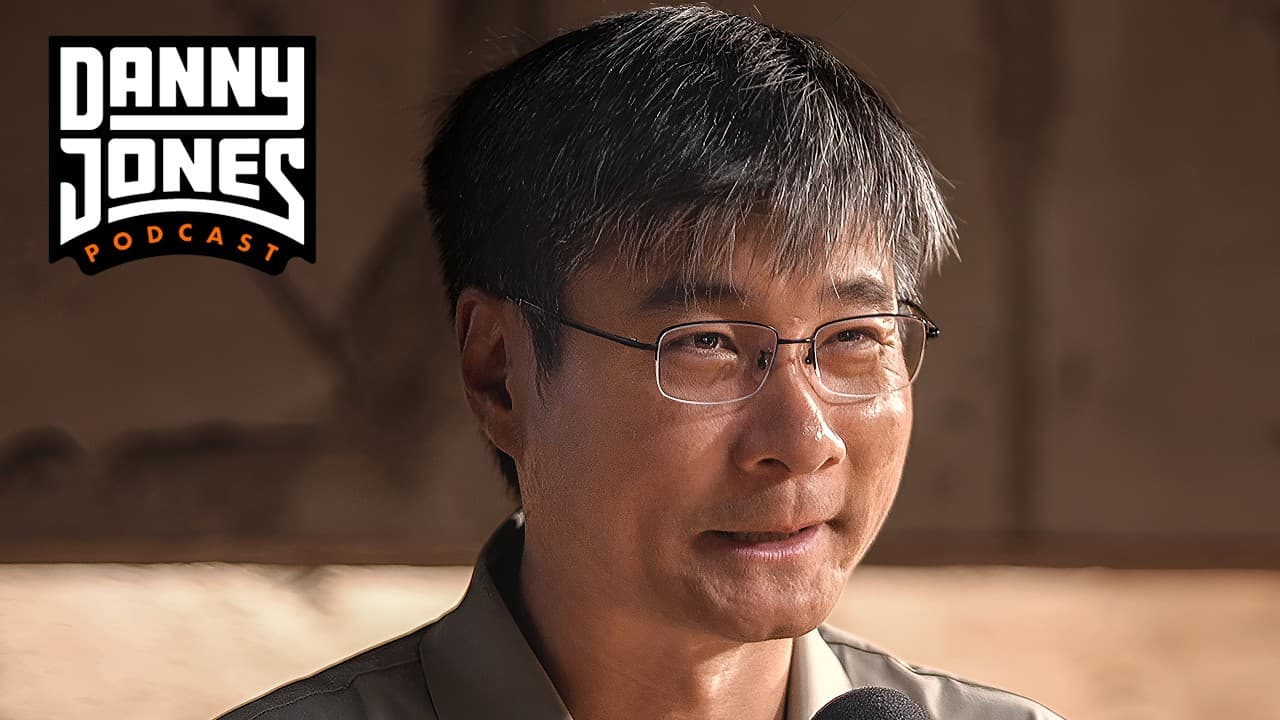
Professor Jiang discusses the influence of secretive families and societies on global politics, particularly focusing on Trump and Netanyahu. He highlights the role of the Chabad-Lubavitch movement and other influential figures in shaping geopolitical strategies and decisions. The conversation delves into historical and contemporary events, suggesting that hidden networks wield significant power behind the scenes.
Transcript
First of all, I just got to say the CCP deserves a round of applause for this amazing American influence campaign. That's right. >> You're doing an incredible job. >> Yeah. So, how does it feel? >> Make sure you sweep this place after he leaves. >> Yeah. Well, how does it feel to have a Chinese spy on your podcast for the first time? >> I I think y... Read More
Key Insights
- Professor Jiang suggests that secretive families and societies have significant influence over global leaders like Trump and Netanyahu.
- The Chabad-Lubavitch movement is highlighted as a key player in shaping geopolitical strategies.
- Historical events are analyzed to show patterns of influence and control by hidden networks.
- Jiang argues that this influence extends to decisions made by powerful nations and their leaders.
- He discusses the role of the Jackson-Vanik amendment in facilitating Jewish immigration to Israel.
- The conversation touches on the economic and political strategies employed by these influential groups.
- Jiang suggests that the influence of these groups is often overlooked in mainstream geopolitical analysis.
- The discussion implies that understanding these networks is crucial to understanding global political dynamics.
Install to Summarize YouTube Videos and Get Transcripts
Explore YouTube Video Summarizer or Get YouTube Transcript Extractor
Questions & Answers
Q: How do secretive families influence global politics?
Secretive families, such as those involved in the Chabad-Lubavitch movement, influence global politics by forming networks that shape geopolitical strategies and decisions. They have historical ties to powerful figures and use their influence to steer political and economic outcomes in favor of their interests. This influence often extends to major world leaders and policymakers.
Q: What is the Chabad-Lubavitch movement's role in geopolitics?
The Chabad-Lubavitch movement plays a significant role in geopolitics by acting as a network that influences political strategies and decisions. With historical roots in Eastern Europe, it has grown into a powerful entity with connections to influential figures and families. Its members often hold key positions or have direct access to decision-makers, allowing them to impact global events.
Q: How does the Jackson-Vanik amendment relate to Jewish immigration?
The Jackson-Vanik amendment, part of the 1974 Trade Act, was designed to pressure the Soviet Union to allow Jewish emigration by linking trade benefits to immigration policies. It aimed to facilitate Jewish immigration to Israel, expanding its population and strengthening its geopolitical position. This amendment reflects the strategic use of legislative measures to achieve specific political goals.
Q: What is the significance of the meeting between Netanyahu and Rebbe Schneerson?
The meeting between Netanyahu and Rebbe Schneerson is significant as it highlights the influence of the Chabad-Lubavitch movement on Israeli politics. Schneerson's support and blessing were seen as pivotal for Netanyahu's political career, illustrating the movement's role in shaping the leadership and direction of Israel's political landscape. Such interactions underscore the movement's broader geopolitical influence.
Q: How do historical events show patterns of influence by hidden networks?
Historical events reveal patterns of influence by hidden networks through the strategic placement of individuals in key positions, the orchestration of political alliances, and the manipulation of economic policies. These networks often operate behind the scenes, using their connections to guide political outcomes and maintain control over geopolitical narratives. Their impact is seen in both past and present global events.
Q: Why is understanding hidden networks important for geopolitical analysis?
Understanding hidden networks is crucial for geopolitical analysis because they often play a significant role in shaping global political dynamics. These networks can influence major decisions, alter the course of events, and maintain power structures that are not immediately visible. Recognizing their existence and impact allows for a more comprehensive understanding of international relations and power struggles.
Q: What economic strategies do influential groups use to maintain power?
Influential groups use various economic strategies to maintain power, including controlling key industries, influencing trade policies, and leveraging financial networks. They often have significant investments in strategic sectors, allowing them to exert pressure on governments and shape economic policies. These strategies ensure their continued influence over both domestic and international economic landscapes.
Q: How does the influence of secretive networks extend to powerful nations?
The influence of secretive networks extends to powerful nations by embedding their members in influential positions, forming alliances with key political figures, and manipulating policy decisions. These networks often have historical ties to national leaders and use their connections to steer political and economic outcomes. Their reach allows them to impact major geopolitical events and maintain control over global narratives.
Summary & Key Takeaways
-
Professor Jiang explores the influence of secretive families and societies on global politics, focusing on figures like Trump and Netanyahu. He discusses the Chabad-Lubavitch movement's role in shaping geopolitical strategies, suggesting that hidden networks wield significant power. Historical and contemporary events are analyzed to reveal patterns of influence and control.
-
The conversation delves into the Jackson-Vanik amendment's role in facilitating Jewish immigration to Israel, highlighting how economic and political strategies are employed by influential groups. Jiang argues that these networks often operate behind the scenes, impacting decisions made by powerful nations and their leaders.
-
Understanding these hidden networks is crucial to comprehending global political dynamics, as they play a significant role in shaping the strategies and decisions of world leaders. The discussion suggests that mainstream geopolitical analysis often overlooks the influence of these groups.
Read in Other Languages (beta)
Share This Summary 📚
Summarize YouTube Videos and Get Video Transcripts with 1-Click
Try YouTube Summary with ChatGPT & Claude or YouTube Transcript Generator
Explore More Summaries from Danny Jones 📚






Summarize YouTube Videos and Get Video Transcripts with 1-Click
Try YouTube Summary with ChatGPT & Claude or YouTube Transcript Generator