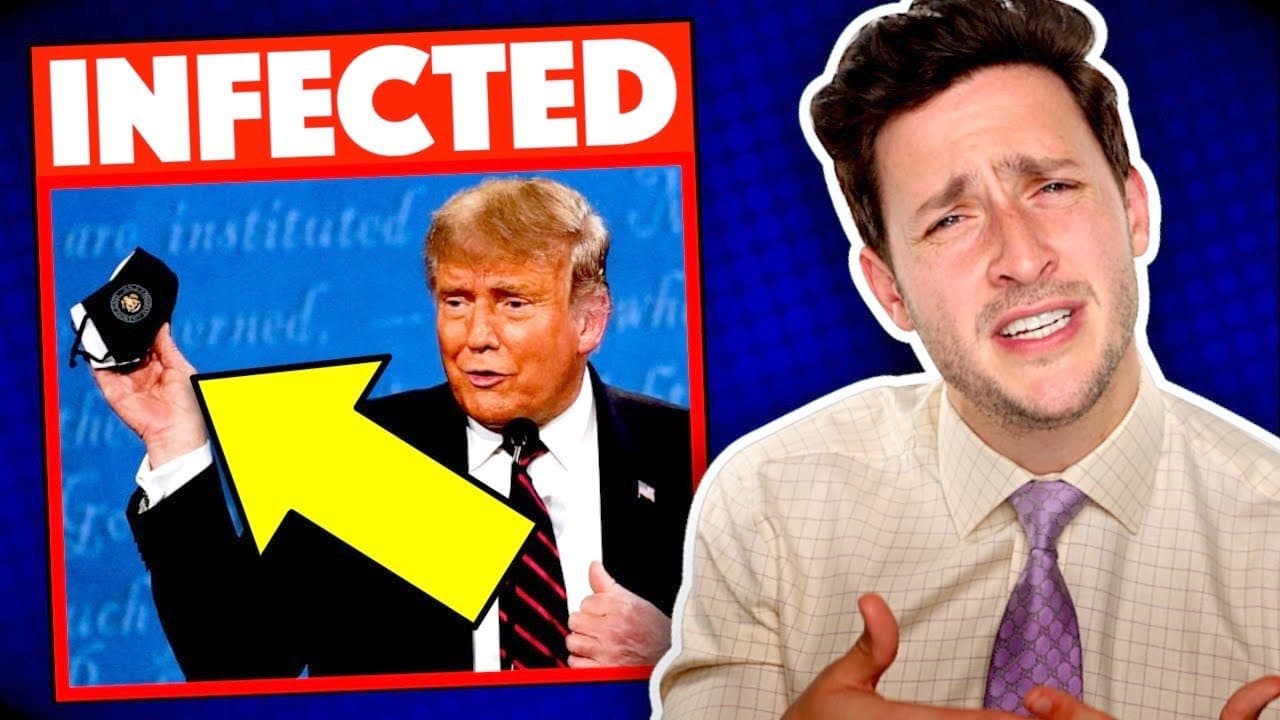
Here’s Why Trump’s COVID Diagnosis Was A Disaster
TL;DR
Misinformation and unfair treatment of physicians during Trump's COVID-19 diagnosis are concerning.
Transcript
- Buckle up folks. This is gonna be a rough one. I've never gotten to as many Twitter arguments as I have in the last week. I cannot believe what's going on. There is hypocrisy, there's inaccuracy, degrading information from respected journalists and physicians. But I think we should start with President Trump being diagnosed and dealing with COVID... Read More
Key Insights
- 🥺 Speculative media reporting can lead to a misinformed public and perpetuates unnecessary fear regarding healthcare events.
- 😷 Medical professionals must uphold ethical standards, prioritizing patient wellbeing over political affiliations.
- 🙃 The distinction between MDs and DOs should be irrelevant in patient care; both are qualified to deliver effective treatments.
- 🧑⚕️ Negative portrayals of health professionals based on credentials erode trust and cooperation in healthcare settings.
- 💉 Public health communication needs integrity to prevent the spread of misinformation and build trust in health authorities.
- 🥺 Political rhetoric that promotes division can lead to harmful consequences, jeopardizing public health initiatives.
- 🔉 The surge of conspiracy theories correlates with inadequate media literacy and reliance on variable online news sources.
Install to Summarize YouTube Videos and Get Transcripts
Explore YouTube Video Summarizer or Get YouTube Transcript Extractor
Questions & Answers
Q: How did the media respond to President Trump's COVID-19 diagnosis?
The media response was characterized by speculative reporting that lacked concrete information about Trump’s health status. Critics pointed out that this speculative coverage amounted to what is referred to as "tabloid medicine," which is both unethical and misleading as it involves guessing a patient’s health circumstances without proper context or consent.
Q: What is the ethical obligation of medical professionals in cases like Trump's?
Medical professionals are bound by the ethical principle of "do no harm," which requires them to act in the best interest of all patients, regardless of personal beliefs or political biases. This means providing compassionate care and wishing for recovery, even towards political figures with whom they may disagree.
Q: What concerns were raised about the medications given to Trump during his illness?
Concerns arose around the medications President Trump received, particularly as many were under emergency use authorization and not FDA-approved for general use. This raises questions about whether he was more ill than disclosed or if he was given unnecessary treatments, thereby highlighting potential inconsistencies in the information provided by his medical team.
Q: How did the criticisms towards DOs reflect broader issues in healthcare discourse?
Criticism towards DOs, particularly in the context of Trump’s treatment, reflects a troubling trend of stigmatization based on medical credentials. Such rhetoric can create distrust and division within the medical community, undermining the collaborative efforts necessary for effective patient care and combating misinformation during a global health crisis.
Q: What is the significance of media reliability in public health discourse?
The reliability of media in public health discourse is critical, especially in times of crisis. Misinformation can lead to public fear and misinformed behavior, as people may choose to trust sources with less oversight instead of established medical guidelines, potentially worsening health outcomes during pandemics.
Q: What was the response of Vice President Joe Biden regarding Trump's health?
Vice President Joe Biden publicly wished President Trump a speedy recovery amid his COVID-19 diagnosis, emphasizing the importance of civility and unity during health crises, even when disparaging feelings towards political counterparts might exist.
Q: How does misinformation affect public perception of physicians?
Misinformation can negatively skew the public’s perception of healthcare professionals, leading to distrust and misconceptions about their qualifications and capabilities. This can also foster a dismissive attitude towards certain types of physicians, like DOs, impacting collaborative care and overall health outcomes.
Q: What preventative measures are encouraged as flu season approaches?
As flu season nears, individuals are strongly encouraged to get vaccinated against the flu to avoid overwhelming healthcare systems already strained by COVID-19 cases. Flu shots are deemed safe and beneficial; decreasing the incidence of flu-related illnesses will help healthcare providers focus resources on COVID-19 management.
Summary & Key Takeaways
-
The discourse surrounding President Trump's COVID-19 diagnosis highlights the media's tendency towards speculation, often leading to inaccurate portrayals of health issues.
-
The medical community must adhere to ethical standards, with a responsibility to provide impartial care and express well-wishes, regardless of personal feelings towards patients.
-
Discrimination against physicians based on their credentials, such as DOs versus MDs, undermines public trust and hinders collaboration in delivering patient care, particularly during a health crisis.
Read in Other Languages (beta)
Share This Summary 📚
Summarize YouTube Videos and Get Video Transcripts with 1-Click
Try YouTube Summary with ChatGPT & Claude or YouTube Transcript Generator
Explore More Summaries from Doctor Mike 📚


Summarize YouTube Videos and Get Video Transcripts with 1-Click
Try YouTube Summary with ChatGPT & Claude or YouTube Transcript Generator