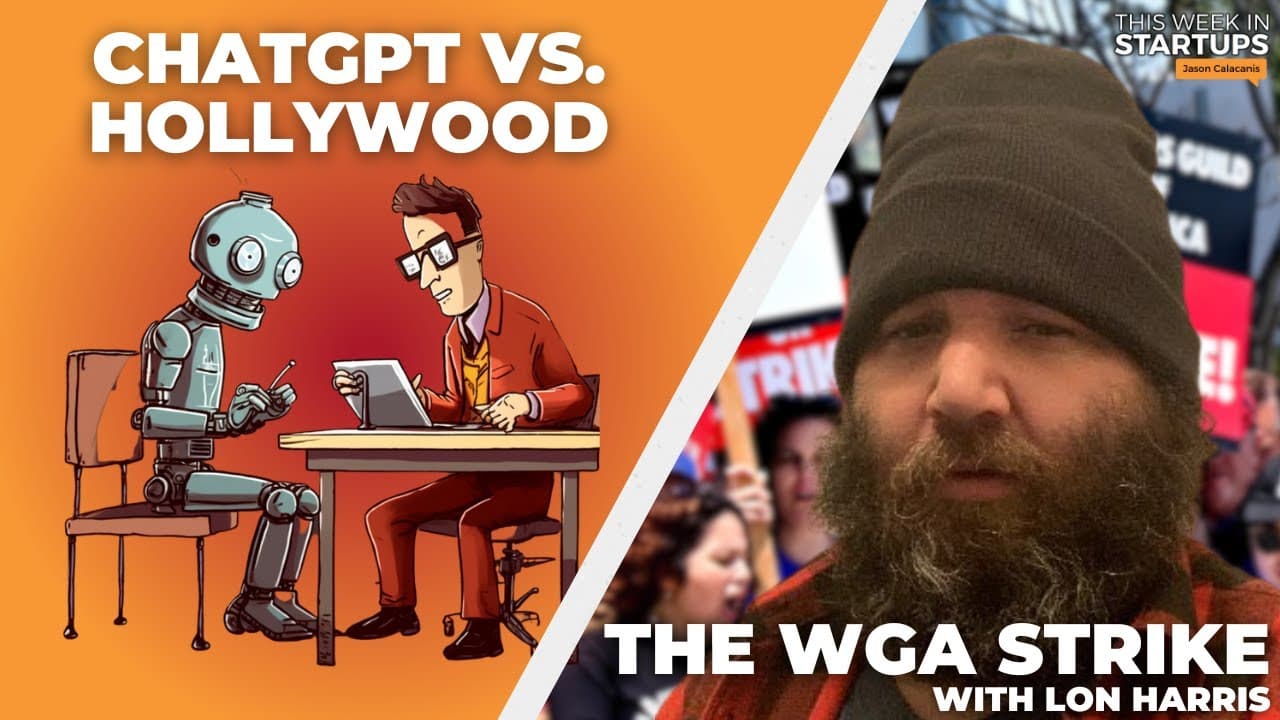
ChatGPT vs Hollywood writers and the WGA strike with Lon Harris | E1750
TL;DR
Hollywood writers are seeking better compensation, working conditions, and employment stability as the WGA negotiates with studios amid shorter television seasons, increased competition, and concerns about ChatGPT. The discussion proposes that Netflix hire consistent writers as salaried employees with bonuses, raises, benefits, meals, and a creative workplace while preserving freelance work as an option. Read on for the proposed employment model, AI concerns, and related streaming changes.
Transcript
this is what Netflix should do is they should just go and say you know what these are the top 20 most consistent people we're going to pay them 75 grand a year plus this bonus program plus these raises plus these benefits and if you are the writer and you want to get paid more but work more like a gig worker two months on three months off fight for... Read More
Key Insights
- 😀 The WGA's negotiations highlight the challenges facing writers in the changing landscape of the entertainment industry, including shorter TV seasons and increased competition.
- 👻 Offering full-time employment options to writers can provide them with greater stability and financial security, allowing them to focus on their craft and build successful careers.
- 🖤 AI language models like ChatGPT have the potential to automate certain aspects of writing, but they currently lack the creativity and human touch that writers bring to their work.
Install to Summarize YouTube Videos and Get Transcripts
Explore YouTube Video Summarizer or Get YouTube Transcript Extractor
Questions & Answers
Q: What issues are Hollywood writers and the WGA negotiating over?
The WGA is advocating for better compensation, improved working conditions, and more stable employment options for writers. The discussion connects these demands to shorter television seasons, increased competition, and an industry that relies heavily on freelance work.
Q: What full-time employment model is proposed for Netflix writers?
The proposal is for Netflix to hire its most consistent writers as salaried employees and bring them into an office regularly. Their compensation would include bonuses, raises, and benefits alongside the security of dependable income.
Q: Would writers still be able to work as freelancers under the proposal?
Yes. Writers who prefer the chance to earn more through project-based work could remain freelancers, alternating between gigs and periods without work.
Q: How could full-time employment improve writers’ lives?
A regular salary and benefits could give writers greater financial and housing security. The proposed workplace would also provide meals, supportive treatment, and an environment intended to make writers feel creatively fulfilled and safe.
Q: How are shorter television seasons affecting Hollywood writers?
Shorter television seasons contribute to instability for writers by reducing the duration of available work. Along with increased competition and freelance employment, this makes compensation and job security central concerns in the WGA negotiations.
Q: How might ChatGPT affect Hollywood writing?
ChatGPT and similar language models could automate parts of writing, including brainstorming and idea generation. The existing discussion argues that these systems do not yet reproduce the creativity and human touch that writers contribute.
Q: Can studios offer writers full-time positions?
The discussion argues that studios could depart from the prevailing freelance model and employ writers full time. Doing so could let writers concentrate on their craft and develop their careers with more stability.
Q: What changes did HBO Max make to its streaming platform?
HBO Max was rebranded as Max and added Discovery programming to its library. The expanded offering was intended to provide a broader mix of programming, including family-friendly and unscripted content.
Summary
In this video, the host discusses the current writer's strike in Hollywood and the challenges faced by writers in the streaming era. He explores the impact of platforms like Netflix on the traditional model of television writing and suggests alternative solutions for better compensation and career development for writers.
Questions & Answers
Q: What does the host propose as a potential solution for Netflix and other streaming platforms to better compensate and support writers?
The host suggests that Netflix should create an office environment where they hire the top 50 writers and offer them stable salaries, benefits, and opportunities for career growth. This would provide writers with financial security and create a supportive and creative community for them to thrive.
Q: How does the current model of television writing in the streaming era differ from the traditional model?
In the traditional model, writers would work full-time on a TV show for an extended period, leading to a stable income and the opportunity to learn and grow in the industry. However, in the streaming era, shows have shorter seasons and writers are hired on a freelance or gig basis. This makes it challenging for writers to build a sustained career and earn a stable income.
Q: Why are writers demanding better compensation in the current writer's strike?
The demand for better compensation arises from the fact that writers are working fewer hours due to the shorter seasons of streaming shows. While their rates may not have dropped drastically, the decrease in working hours leads to fewer job opportunities and a more competitive landscape. Writers are seeking fair compensation for their work and a level playing field.
Q: How does the use of artificial intelligence (AI) in writing impact the demands of the striking writers?
The use of AI in writing, while impressive in terms of generating dialogue and ideas, does not replace the creative process of a human writer. Writers are concerned that AI could lead to a devaluation of original ideas, with studios relying on AI-generated concepts and hiring writers only as gig workers to refine and enhance those concepts.
Q: What challenges do writers face in the streaming era?
Writers in the streaming era face challenges such as shorter working periods, reduced job opportunities, and a lack of transparency in terms of viewership and compensation. The rise of streaming platforms has disrupted the traditional model of television writing, making it harder for writers to build sustainable careers and earn a stable income.
Q: Do writers prefer full-time work or flexibility in their careers?
While some writers may prefer flexibility and the ability to work on multiple projects as freelancers, many writers seek stability and the opportunity to build a full-time career in writing. This stability allows them to focus on honing their craft and developing long-term partnerships with studios and production companies.
Q: How does the current writer's strike align with the financial challenges faced by streaming platforms?
Although the timing of the strike may coincide with financial challenges faced by streaming platforms, writers have significant leverage in demanding fair compensation and better working conditions. The launch of new platforms and promises made to audiences has put pressure on studios to produce quality content, making this a visible time for writers to negotiate for improved deals.
Q: Why is it crucial for writers to retain ownership of their ideas and creative work?
Ownership of ideas and creative work is essential for writers because it gives them the ability to control and profit from their creations. Without ownership, writers risk losing the financial rewards and recognition associated with their intellectual property. Granting ownership solely to studios would result in the dilution of creative voices and hinder the development of diverse and original content.
Q: How does the strike impact the relationship between streaming platforms and writers?
The strike highlights the contentious relationship between streaming platforms and writers. While streaming platforms have revolutionized the industry and provided new avenues for storytellers, the shift towards shorter seasons and gig-based work has made it challenging for writers to build sustainable careers. The strike serves as a means for writers to assert their value and demand fair compensation and working conditions.
Q: What is the potential future of writing careers in the streaming era?
The future of writing careers in the streaming era remains uncertain. While the current landscape presents significant challenges, there is an opportunity for platforms and writers to find a balance that allows for financial security and creative fulfillment. The outcome of the strike and subsequent negotiations will play a crucial role in shaping the future of writing in the streaming era.
Takeaways
The video sheds light on the challenges faced by writers in the streaming era, specifically in relation to compensation, job security, and career development. It proposes alternative solutions, such as offering stable salaries, benefits, and a supportive working environment, to better support and retain top talent. The strike serves as an opportunity for writers to demand fair compensation for their work and assert the value they bring to the industry. The future trajectory of writing careers in the streaming era remains uncertain, but it is evident that a balance needs to be struck between financial viability and creative fulfillment for writers.
Summary & Key Takeaways
-
The WGA is advocating for full-time employment options and better compensation for writers in the face of changing dynamics in the industry, including shorter TV seasons and increased competition.
-
Some writers are calling for studios to break ranks with the WGA and offer full-time positions to writers, giving them stability and financial security.
-
The rise of AI language models like ChatGPT has raised concerns about the potential for automated writing and the future of creativity in Hollywood.
-
HBO Max has rebranded as Max and expanded its content library with the addition of Discovery shows, offering a more diverse range of programming.
Read in Other Languages (beta)
Share This Summary 📚
Summarize YouTube Videos and Get Video Transcripts with 1-Click
Try YouTube Summary with ChatGPT & Claude or YouTube Transcript Generator
Explore More Summaries from This Week in Startups 📚



Summarize YouTube Videos and Get Video Transcripts with 1-Click
Try YouTube Summary with ChatGPT & Claude or YouTube Transcript Generator