Why Bitcoin Erased Its 2025 Gains in November
TL;DR
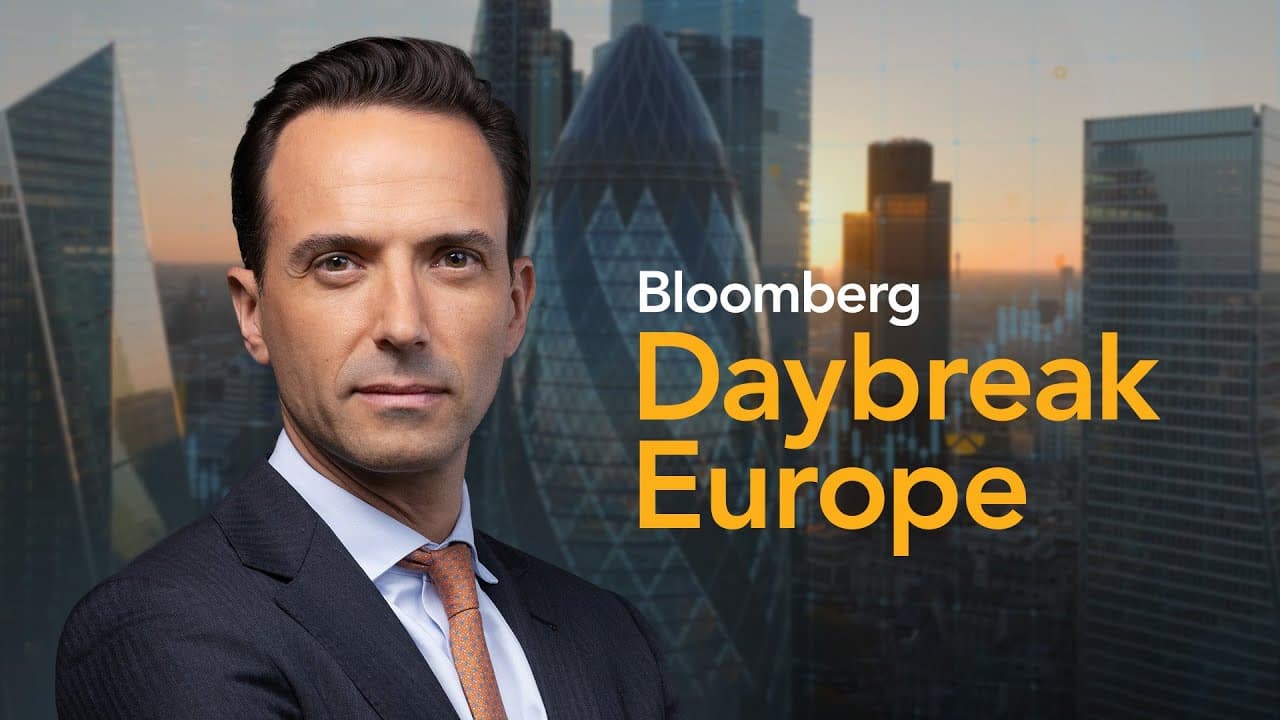
Bitcoin steadied near 95,000 after erasing its gains for the year, while traders reduced expectations for a Federal Reserve rate cut in December to below 50%. Markets also faced Nvidia earnings, delayed US jobs data, China-Japan tensions, proposed sanctions on Russia’s trading partners, and Boeing’s measured restart of defense production after a strike.
Transcript
THIS IS BLOOMBERG DAYBREAK: EUROPE. THESE ARE THE STORIES THE STORIES THAT SET YOUR AGENDA. U.S. STOCK FUTURES POINTING TO GAINS AT THE START OF A WEEK IN WHICH WE WILL SEE RESULTS FROM NVIDIA AND UPDATES ON THE U.S. ECONOMY. BITCOIN STEADIES AFTER WIPING OUT ITS GAINS FOR THE YEAR. AND PRESIDENT TRUMP RAMPS UP PRESSURE ON RUSSIA BY BACKING PROP... Read More
Key Insights
- Bitcoin steadied near 95,000 after wiping out all its gains for the year. Its reversal formed part of a cautious market backdrop shaped by changing interest-rate expectations, upcoming Nvidia results, and delayed updates on the United States economy.
- Federal Reserve rate-cut expectations fell below 50% for December after officials delivered mixed messages. The delayed September nonfarm payroll report was expected on Thursday, making labor-market data especially important for assessing whether policymakers could proceed with a reduction.
- China-Japan tensions pressured Asian travel and consumer stocks after China advised citizens and students against visiting Japan. Japanese department stores dropped more than 12%, and the operator of Tokyo Disneyland fell more than 5%, reflecting concern about reduced Chinese tourism.
- Boeing’s St. Louis workforce accepted a five-year contract offer and ended its strike. Steve Parker said returning employees would complete refresher work and recertification through a measured process lasting a couple of weeks, with no expected operational impacts.
- The F-47 is being built as the US Air Force’s replacement for the Raptor. Boeing invested billions of dollars ahead of the program, and Parker said the company’s capital, facilities, digital engineering, and manufacturing plans were designed to support multiple aircraft programs.
- Boeing’s defense strategy emphasizes execution discipline, customer commitments, and the ability to adapt as threats change. The company is working with nontraditional technology businesses, including Palantir and Anduril, while developing real-time design iteration and over-the-air software capabilities.
- Patriot-related production is positioned to triple deliveries after Boeing built a new 40,000-square-foot facility. Parker described the company’s role as producing the system’s brains and said Boeing had begun training workers in preparation for higher demand.
- The coming week’s market agenda centers on Nvidia earnings, UK inflation, and delayed September US payroll data. These events were expected to influence the artificial-intelligence trade, assumptions about a December Bank of England cut, and expectations for Federal Reserve policy.
Install to Summarize YouTube Videos and Get Transcripts
Explore YouTube Video Summarizer or Get YouTube Transcript Extractor
Questions & Answers
Q: Why did Bitcoin lose all its gains for 2025?
Bitcoin had fallen from its peak far enough to wipe out its gains for the year, although it steadied near 95,000 at the start of the week. The program placed that decline within a cautious environment marked by fading expectations for a December Federal Reserve rate cut, mixed messages from Fed officials, upcoming Nvidia earnings, and delayed US economic data.
Q: What market events were investors watching during the week?
Investors were preparing for Nvidia’s earnings on Wednesday, UK inflation data, and the delayed September US nonfarm payroll report on Thursday. Nvidia was the major corporate-results event, while the economic releases were important for expectations about possible December rate cuts from both the Bank of England and the Federal Reserve. European political and budget uncertainty also remained in focus.
Q: Why were expectations for a December Federal Reserve rate cut fading?
Traders reduced the estimated probability of a December Federal Reserve rate cut to below 50% after receiving mixed messages from Fed officials. The delayed September nonfarm payroll report was therefore expected to carry significant weight. Its indication of labor-market conditions could affect whether markets believed the Federal Reserve had enough justification to lower rates at its December meeting.
Q: How did China-Japan tensions affect Asian stocks?
China-Japan tensions hurt travel, retail, and consumer-related companies after China advised citizens and students not to travel to Japan and to monitor security concerns. Japanese department stores fell more than 12%, while the operator of Tokyo Disneyland declined more than 5%. Chinese travel stocks also weakened as investors assessed the economic consequences of a prolonged diplomatic dispute.
Q: What caused the diplomatic dispute between China and Japan to intensify?
Tensions rose after Japan’s prime minister said that military force used in a Taiwan conflict could qualify as a survival-threatening situation, a classification that could legally justify Japanese intervention. China subsequently cautioned citizens and students about travel to Japan, while Chinese state media discussed possible countermeasures. Japan responded by sending a senior diplomat to China.
Q: How is Boeing restarting work after the St. Louis strike?
Boeing’s St. Louis factory workers accepted the company’s latest five-year contract offer, ending the strike. Steve Parker said employees would return through a measured process involving refresher work and recertification before resuming their jobs. He expected the restart to take a couple of weeks and said Boeing did not anticipate impacts from that timetable.
Q: What is Boeing’s plan for building the F-47?
Boeing is building the F-47 as the US Air Force’s replacement for the Raptor and as a next-generation stealth aircraft. Parker said Boeing invested billions of dollars in capital before the award and planned its facilities so it could execute multiple programs. Digital engineering and manufacturing are intended to support a different design-and-build process, with disciplined execution now the priority.
Q: How is Boeing expanding its defense and space operations?
Boeing built a new 40,000-square-foot facility to support Patriot-related work and expects deliveries to triple, while training employees for rising demand. It is also working with companies such as Palantir and Anduril to support faster design and software updates. In space, Boeing is preparing for another civil flight next year and a Space Launch System mission in February.
Summary & Key Takeaways
-
Global markets began the week cautiously, with US stock futures rising while European futures and Asian shares weakened. Investors focused on Nvidia’s Wednesday results, delayed September US payroll data, UK inflation, and diminishing expectations for a December Federal Reserve rate cut. Bitcoin steadied after surrendering its gains for the year.
-
China-Japan tensions weighed on tourism, retail, and consumer-related shares after China advised citizens and students against travel to Japan. The dispute intensified following comments from Japan’s prime minister about Taiwan. Japanese department stores fell more than 12%, while the operator of Tokyo Disneyland declined more than 5% during trading.
-
Boeing Defense CEO Steve Parker said St. Louis employees would return through a measured recertification process after accepting a five-year contract. Boeing is building the F-47, expanding Patriot-related production capacity, working with nontraditional technology companies, and preparing for another civil space flight and a Space Launch System mission next year.
Read in Other Languages (beta)
Share This Summary 📚
Summarize YouTube Videos and Get Video Transcripts with 1-Click
Try YouTube Summary with ChatGPT & Claude or YouTube Transcript Generator
Explore More Summaries from Bloomberg Television 📚

Summarize YouTube Videos and Get Video Transcripts with 1-Click
Try YouTube Summary with ChatGPT & Claude or YouTube Transcript Generator