How to Make Sacrifices and Reach Your Next Level
TL;DR
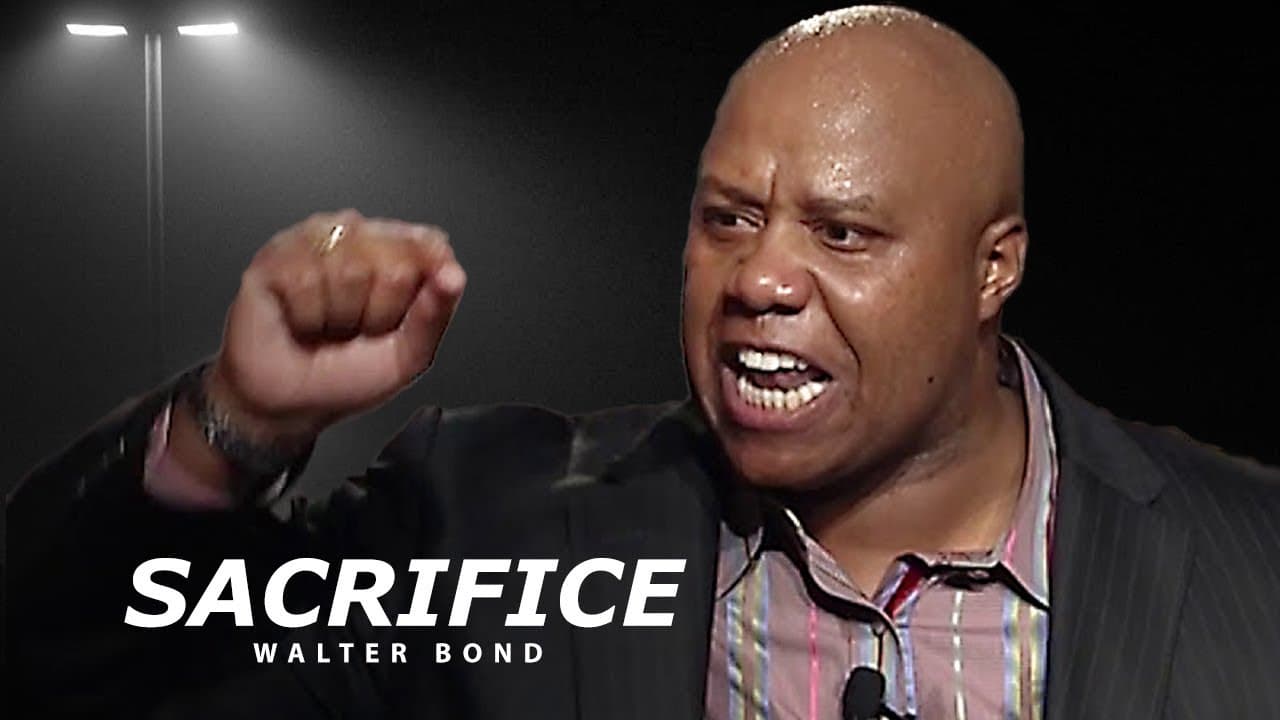
Reaching the next level requires sacrifice, disciplined practice, accountability, and a willingness to transform. Walter Bond argues that current circumstances are only a point of reference, not a measure of potential, and that consistent improvement in fundamentals, mindset, teamwork, and execution can reconnect people with abandoned goals and move careers, companies, and families forward.
Transcript
In order to get to the next level I had to make sacrifices The reality was I was overweight I was out of shape You know what? I started to give up soda and only drink water I gave up french fries before I knew it I had to get disciplined So my question for anybody to get to the next level What are you willing to sacrifice? What are you willing to g... Read More
Key Insights
- • Sacrifice is the price of meaningful advancement. Bond gave up soda, french fries, drinking, and nights out because his existing habits and physical condition were incompatible with the person he needed to become and the basketball goals he wanted to pursue.
- • Discipline is demonstrated through repeated choices when easier alternatives remain available. While his friends spent time at nightclubs and bars, Bond entered the stadium at midnight to practice shooting, develop both hands, and strengthen the fundamentals his coach said he needed.
- • Present performance is only a point of reference, not a complete measure of potential. Bond warns that people make a serious mistake when they treat who they are today as proof of what they can eventually become through transformation and focused work.
- • Accountability begins when excuses are replaced with ownership. Bond initially blamed politics for sitting on the college bench, but his father challenged that explanation by saying he would play if he could help the coach win, prompting Bond to seek actionable feedback.
- • Clear vision protects ambition from circumstances and stagnation. Bond says people lose fire when they forget childhood goals, allow present reality to define them, and accept a normal or average life instead of reconnecting with where they believe they are supposed to be.
- • Reaching a goal is the beginning rather than the end. Bond made it to the NBA but was cut after focusing only on arrival instead of becoming an impact player, illustrating why success must be followed by continued improvement and a larger vision.
- • Transformation requires better thinking, execution, and performance. Bond argues that individuals and companies cannot remain unchanged while expecting to reach a different level, so their continuing responsibility is to become bigger, stronger, faster, and more capable.
- • Consistent improvement can reshape careers, finances, and personal identity. Bond proposes becoming 10% better every year and says that sustained progress over five years can make a person's career and bank account feel unfamiliar compared with where they began.
Install to Summarize YouTube Videos and Get Transcripts
Explore YouTube Video Summarizer or Get YouTube Transcript Extractor
Questions & Answers
Q: What sacrifices are needed to reach the next level?
The necessary sacrifices are the habits, comforts, and relationships that conflict with a chosen goal. Bond describes giving up soda, french fries, drinking, and nights out with friends while improving his fitness and basketball skills. His larger point is that advancement requires identifying what preserves the current situation, then deliberately replacing it with disciplined behavior that supports the desired future.
Q: How can discipline help someone achieve ambitious goals?
Discipline turns an ambition into repeated action, especially when comfort and social activities compete for attention. Bond practiced basketball in the stadium at midnight while his friends went to nightclubs and bars. He worked on shooting, his left hand, his right hand, and overall fundamentals. That routine shows how disciplined practice closes the gap between present ability and future performance.
Q: Why should people avoid confusing performance with potential?
Current performance describes a person's present position, but it does not establish the limit of what that person can become. Bond was a high school star who later sat on the college bench, yet he improved his fundamentals and reached the NBA. He therefore treats today's identity as a point of reference and argues that work ethic determines whether potential becomes greater responsibility and achievement.
Q: How can someone replace excuses with accountability?
Accountability starts by owning the current situation and asking what can be improved. When Bond blamed college basketball politics for not playing, his father told him that he would play if he could help the coach win. Bond then asked his coach what he needed to do, accepted the answer, and worked on those areas instead of continuing to defend his original explanation.
Q: Why is reaching a major goal only the beginning?
Arrival does not guarantee lasting success because a person can relax after obtaining the position they wanted. Bond reached the NBA but was later cut, and he concluded that he had focused on getting there without developing a vision for becoming an impact player. He applies the same lesson to employment, arguing that getting a job should begin further improvement rather than end it.
Q: How can people reconnect with goals they abandoned?
People can reconnect by recalling what they wanted before circumstances and comfort became their accepted reality. Bond asks listeners to remember what they told teachers, parents, and friends about their future, write down their goals and dreams, and identify when they stopped. He presents that remembered vision as a guide for renewed effort, sacrifice, and movement toward where they believe they belong.
Q: What fundamentals support transformation and advancement?
Bond identifies clear vision, the right mindset, effective teamwork, accountability, and strong practical fundamentals as foundations for advancement. In basketball, he developed both hands and became fundamentally sound. In business, he names marketing, selling, and customer service. His message is that aspiration must be matched by better thinking, better execution, ownership of results, and skills that help a team win.
Q: How does personal improvement create a family legacy?
Bond argues that career development should improve more than one person's position. Greater achievement can give children better access, stronger connections, and an easier starting point than their parents had. He therefore describes advancement as the beginning of a legacy, with responsibility extending from taking a career to the next level to positioning the entire family for better future opportunities.
Summary & Key Takeaways
-
Walter Bond connects advancement with sacrifice, describing how he gave up soda, french fries, drinking, and nights out while improving his fitness and basketball skills. He practiced in the arena at midnight and became fundamentally sound, showing that ambitious goals require disciplined choices, sustained effort, and separation from habits that preserve comfort.
-
After becoming a college bench player, Bond blamed politics until his father challenged that excuse and told him to help the coach win. Bond then asked his coach what he needed to improve, strengthened his fundamentals, and reached the NBA. The experience taught him to distinguish present performance from future potential.
-
Bond argues that reaching a goal is only the beginning, because arriving without a larger vision can lead to complacency. After being cut from the NBA and starting over financially, he applied the same improvement process to speaking, eventually reaching the Hall of Fame through vision, mindset, teamwork, accountability, and practiced fundamentals.
Read in Other Languages (beta)
Share This Summary 📚
Summarize YouTube Videos and Get Video Transcripts with 1-Click
Try YouTube Summary with ChatGPT & Claude or YouTube Transcript Generator
Explore More Summaries from Motiversity 📚





Summarize YouTube Videos and Get Video Transcripts with 1-Click
Try YouTube Summary with ChatGPT & Claude or YouTube Transcript Generator