What Are the Six Phases of Software Testing?
TL;DR
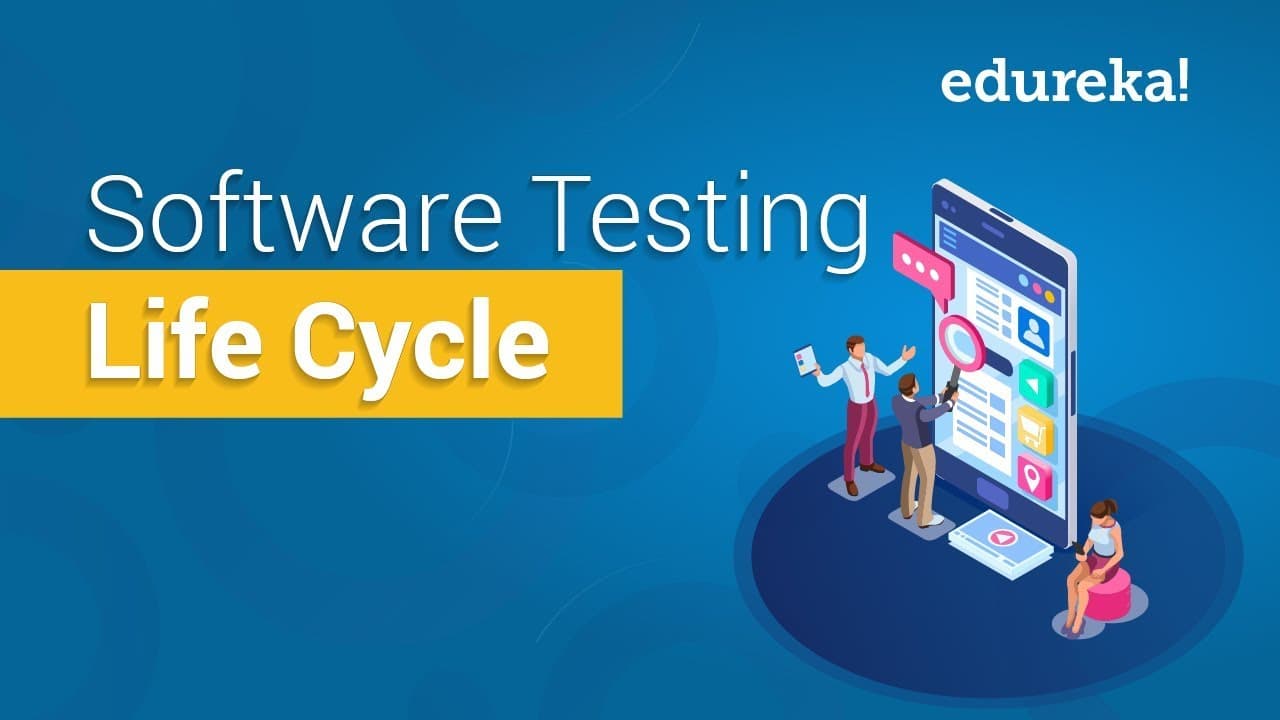
The software testing life cycle organizes testing into six phases: requirement analysis, test planning, test case development, environment setup, test execution, and test cycle closure. Testing verifies conformance to functional and nonfunctional requirements, validates that users receive the system they need, identifies defects, supports release decisions, reduces risk, and helps maintain product quality and customer confidence.
Transcript
today's world of technology is completely dominated by machines and their behavior is controlled by the software powering it now will the machines behave exactly as we want them to every time and everywhere the answer to these questions lie in software testing hi everyone this is Cheyne theny from Eddy Eureka and today we are going to have a look a... Read More
Key Insights
- Software testing is the process of evaluating an application to find defects, verify specified requirements, and help produce a quality product. It examines whether the software meets the business and technical requirements that guided its design and development.
- Verification is the assessment of whether a system conforms to stated requirements and specifications. It can cover functional behavior, performance, reliability, security, and usability, helping the team determine whether it is building the system correctly.
- Validation is the assessment of whether the system being developed is what users actually need. Together with verification, it gives decision makers useful information about product condition, known risks, regulatory compliance, usability, requirements, and readiness for release.
- Software testing is performed by software testers, project leads or managers, software developers, and end users. These participants contribute different perspectives when assessing whether an application behaves as required and whether its quality is sufficient for customers.
- The software testing life cycle is a planned sequence of six phases: requirement analysis, test planning, test case development, environment setup, test execution, and test cycle closure. Each phase has its own goals, activities, entry conditions, and deliverables.
- Requirement analysis is the phase where the quality assurance team studies requirements from a testing perspective and identifies what can be tested. The team may consult clients, business analysts, technical leads, system architects, product managers, project leads, and developers.
- Requirements exist at multiple levels, including high-level business requirements, more detailed architectural and design requirements, and highly detailed system and integration requirements. When formal documents are unavailable, teams can use knowledge transfer, stakeholder discussions, and relevant domain or industry knowledge.
- Test planning is the phase where the test manager defines the strategy, objectives, scope, criteria, resources, effort, and cost estimates. Its principal outputs are the test plan or test strategy and testing effort estimation documents, which guide later test development activities.
Install to Summarize YouTube Videos and Get Transcripts
Explore YouTube Video Summarizer or Get YouTube Transcript Extractor
Questions & Answers
Q: What is the software testing life cycle?
The software testing life cycle is a planned and systematic sequence of activities used to perform software testing. It defines which testing activities must be completed and when they should occur. Its six phases are requirement analysis, test planning, test case development, environment setup, test execution, and test cycle closure, with different goals and deliverables assigned to each phase.
Q: Why is software testing important?
Software testing identifies defects, evaluates conformance to requirements, and supplies information needed for product and release decisions. It supports risk management, product quality, reliability, customer satisfaction, and confidence in the organization. Testing can also prevent monetary losses associated with contractual timelines or quality expectations, reduce maintenance costs, and help applications produce accurate, consistent, and reliable results.
Q: What is the difference between verification and validation in software testing?
Verification determines whether a system meets its stated requirements and specifications, including functional behavior, performance, reliability, security, and usability. Its purpose is to confirm that the team is building the system correctly. Validation determines whether the developed system is what users actually need, confirming that the team is building the right system for its intended users.
Q: Who performs software testing?
Software testing can be performed by software testers, project leads or managers, software developers, and end users. The testing group acts as a service provider by supplying valuable information and insights about the system. These findings help decision makers understand requirements, performance, usability, known risks, and regulatory compliance when considering product quality and release readiness.
Q: What happens during STLC requirement analysis?
During requirement analysis, the quality assurance team studies requirements from a testing perspective and identifies testable requirements. Team members may consult clients, business analysts, technical leads, and system architects to clarify details. Activities include preparing questions, selecting testing types, defining the testing focus, listing environment details, and evaluating whether automation is feasible for the project.
Q: What requirement sources can testers use when documentation is missing?
When formal requirement documents are unavailable, testers can obtain information through knowledge transfer from colleagues or employees already working on the project. They can also consult business analysts, product managers, project leads, and developers. Relevant knowledge about the domain or industry being implemented can provide another basis for understanding requirements and designing appropriate software tests.
Q: What is included in an STLC test plan?
A test plan documents important testing decisions such as effort estimates, scope, strategy, objectives, criteria, and required resources. It guides the testing team like a rule book and helps developers, business managers, and customers understand the planned testing work. Management can review the document, and parts of it may also be reused in other projects.
Q: What testing types can be considered during test planning?
Common testing types include unit testing for the smallest verifiable software pieces, API testing for application interfaces, integration testing for combined software modules, and system testing for a complete integrated system. Planning may also cover installation and uninstallation testing, which examines customer setup and removal activities, as well as testing conducted with an agile methodology.
Summary & Key Takeaways
-
Software testing evaluates an application to identify defects and determine whether it satisfies specified business and technical requirements. Verification checks whether the team is building the system correctly, while validation checks whether it is building the system users actually need. The resulting evidence supports quality assessment, risk management, and release decisions.
-
The software testing life cycle structures work into requirement analysis, test planning, test case development, environment setup, test execution, and test cycle closure. Each phase has distinct goals and deliverables. The process gives teams a planned, systematic way to decide which testing activities must occur and when they should be completed.
-
Requirement analysis identifies testable requirements through specifications, architecture, stakeholder discussions, knowledge transfer, and domain knowledge. Test planning then defines scope, strategy, objectives, criteria, resources, effort, and cost. Its deliverables include a test plan or strategy and effort estimates that guide testers while informing developers, managers, and customers.
Read in Other Languages (beta)
Share This Summary 📚
Summarize YouTube Videos and Get Video Transcripts with 1-Click
Try YouTube Summary with ChatGPT & Claude or YouTube Transcript Generator
Explore More Summaries from edureka! 📚




Summarize YouTube Videos and Get Video Transcripts with 1-Click
Try YouTube Summary with ChatGPT & Claude or YouTube Transcript Generator