What is the Impact of Media on Children's Beliefs?
TL;DR
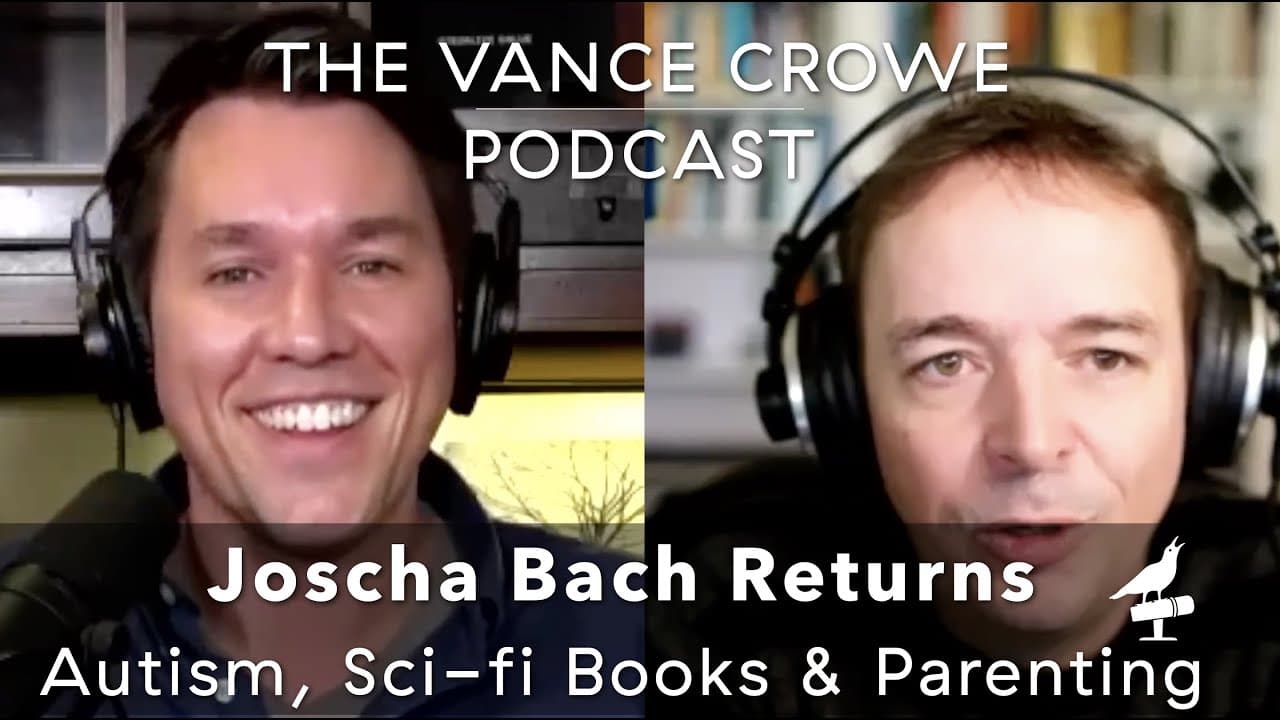
Children's media often misrepresents reality, making them susceptible to indoctrination and hindering their ability to form independent identities. The discussion explores the consequences of not teaching children traditional beliefs, the rise of alternative systems like astrology, and how society's fragmentation affects belief formation in the younger generation.
Transcript
i think that the stories right now that we tell our children the media that exists for our children do not depict our universe very well they're not truthful and they basically make our children very vulnerable to indoctrination with ideas that are not true that manipulate our children into things that are not in their best interest and uh that man... Read More
Key Insights
- 👶 The media and stories for children may not depict reality accurately and can manipulate them into adopting false beliefs.
- 🖤 Beliefs play a crucial role in a child's identity formation, and a lack of religious upbringing can create a void that may be filled by alternative belief systems.
- 🧑🏭 Astrology's popularity may be linked to the ability to share beliefs easily through social media, while the increase in autism cases could be influenced by both genetic factors and environmental toxins.
- 🍉 Society's coordination is hindered by a focus on individual interests and short-term gains, leading to a lack of long-term strategic planning and decision-making.
- 👥 People have limited agency over their beliefs, and societal beliefs are often shaped and influenced by group dynamics and social confirmation bias.
- 🤔 Children's exposure to diverse beliefs and critical thinking can help them develop resilience against indoctrination and manipulation.
- 🎙️ More videos with Joscha Bach:
Install to Summarize YouTube Videos and Get Transcripts
Explore YouTube Video Summarizer or Get YouTube Transcript Extractor
Questions & Answers
Q: Why does the speaker believe that the stories and media for children are not truthful?
The speaker argues that the media often manipulates children by presenting ideas that may be false or biased, which can make children susceptible to indoctrination and prevent them from developing agency over their beliefs and identity.
Q: How does the speaker view the role of religion in a child's upbringing?
The speaker discusses the potential void created if a child is not taught the religion of their parents. They question whether an alternative belief system will fill this void and explore the implications of raising children without a specific religious influence.
Q: What insights does the speaker provide on the rise of astrology and autism?
The speaker suggests that the increased interest in astrology may be due to the interconnectedness of the world and the ability to share beliefs and opinions more easily. Regarding autism, they mention that both the diagnosis and severity of cases have increased, possibly due to genetic factors and environmental influences like chemicals in food and water.
Q: Why does the speaker believe that coordination among societies is less effective now?
The speaker suggests that the focus on individual interests and short-term gains in our society, especially in large corporations like Google, has led to a lack of coordinated effort. They argue that the absence of an existential threat like a world war has changed the incentives and administration of society, contributing to decreased coordination.
Key Insights:
- The media and stories for children may not depict reality accurately and can manipulate them into adopting false beliefs.
- Beliefs play a crucial role in a child's identity formation, and a lack of religious upbringing can create a void that may be filled by alternative belief systems.
- Astrology's popularity may be linked to the ability to share beliefs easily through social media, while the increase in autism cases could be influenced by both genetic factors and environmental toxins.
- Society's coordination is hindered by a focus on individual interests and short-term gains, leading to a lack of long-term strategic planning and decision-making.
- People have limited agency over their beliefs, and societal beliefs are often shaped and influenced by group dynamics and social confirmation bias.
- Children's exposure to diverse beliefs and critical thinking can help them develop resilience against indoctrination and manipulation.
- The impact of chemicals and toxins in food and water on human development needs more research and consideration to ensure the well-being of future generations.
Summary & Key Takeaways
-
The speaker discusses how the stories and media that children are exposed to are often not truthful and can manipulate them into beliefs that are not in their best interest.
-
They explore topics like why people believe certain things, the void that may exist if children are not taught the religion of their parents, and the rise of astrology and autism in society.
-
The conversation also delves into book reviews, including science fiction novels, and ends with a discussion on anime movies parents and kids can enjoy together.
Read in Other Languages (beta)
Share This Summary 📚
Summarize YouTube Videos and Get Video Transcripts with 1-Click
Try YouTube Summary with ChatGPT & Claude or YouTube Transcript Generator
Explore More Summaries from Vance Crowe 📚

Summarize YouTube Videos and Get Video Transcripts with 1-Click
Try YouTube Summary with ChatGPT & Claude or YouTube Transcript Generator