How to let go of possessions for personal growth
TL;DR
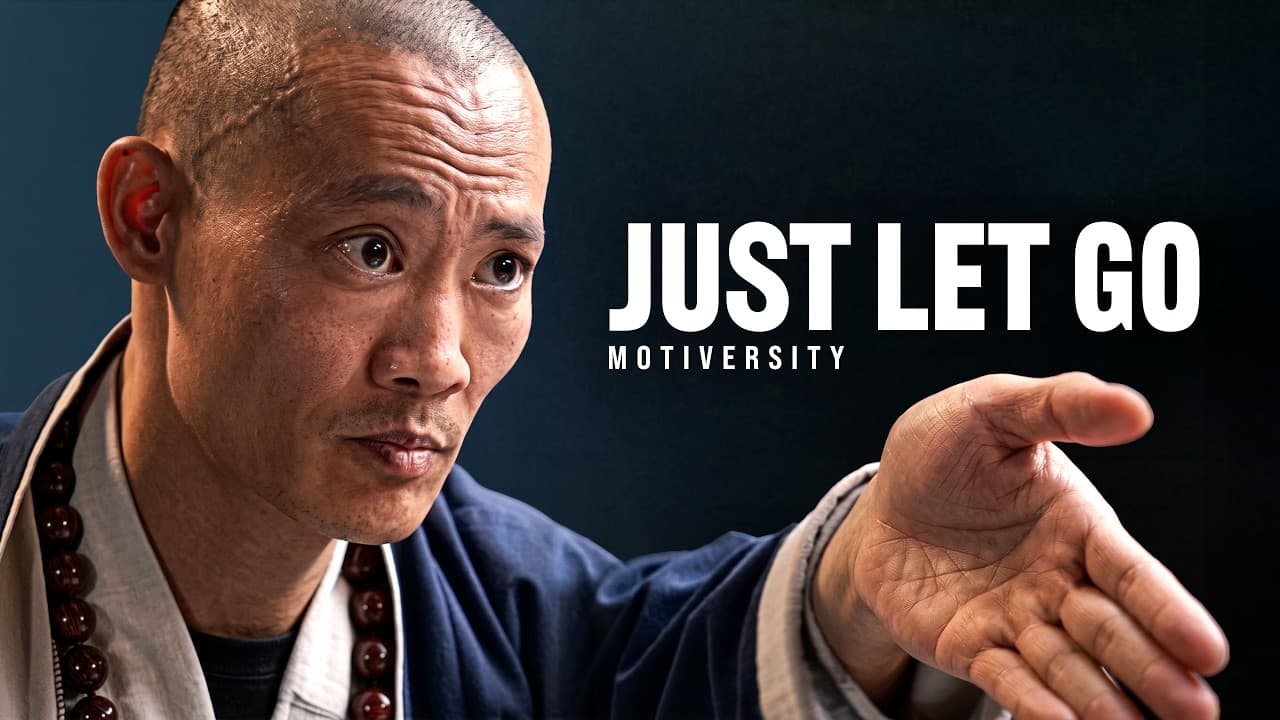
Letting go of attachments is essential to growth and living without being defined by things. Focus on the limits of your comfort zone, consistently expand it, and run your life from within rather than relying on a master. Keep your goal in mind and act with awareness to avoid being pulled by desires or distractions.
Transcript
We come with nothing. We go with nothing. Which means at some point before it's time for you to go, you will be faced with the fact of learning the necessity of letting go of what you have attained in this lifetime. And if you have not learned and have not understood that this is going to come, it's a very very hard awakening. It's a very painful a... Read More
Key Insights
- The core message is that possessions can possess you, not the other way around.
- Growth is built by gradually expanding the body and mind beyond comfort zones.
- A master lives inside each person, and self-reliance is essential to life management.
- Sustained focus on a personal goal from morning to night accelerates realization.
- Avoidance of both attraction and aversion helps preserve energy toward goals.
- Managing the five hindrances prevents derailment from ambitious paths.
- The right approach to goals comes from a perspective of self-knowledge, not lack.
- Living authentically means choosing a path that aligns with inner purpose rather than social identity.
Install to Summarize YouTube Videos and Get Transcripts
Explore YouTube Video Summarizer or Get YouTube Transcript Extractor
Questions & Answers
Q: How can I start letting go of attachments today?
Begin by recognizing that the root of discomfort often lies in attachment to possessions or outcomes. The speaker suggests observing what you own without letting it define you, and questioning whether a possession is necessary or merely a symbol of status. Start with small, deliberate steps to reduce reliance on external things and increase inner security.
Q: What role does the comfort zone play in growth?
Growth happens when you extend your comfort zone in small, regular increments. The mind and body adapt when exposed to manageable challenges, not when you stay within familiar routines. This progressive stretching prevents stagnation and builds resilience, while maintaining safety and awareness to avoid overreaching.
Q: What does it mean to be the director of your own movie?
Being the director means stepping back to observe your life as a narrative you author. You decide how you want to feel, what risks you take, and which paths you pursue. This perspective encourages intentional living where actions align with a consciously chosen long-term vision rather than impulsive desires.
Q: How should I manage goals to avoid them stemming from lack?
The speaker argues that goals rooted in lack can undermine motivation. Instead, set goals from a place of inner purpose and desire to contribute, grow, or improve. When goals reflect a positive vision of who you want to be, actions become more coherent and sustainable, reducing the pull of empty achievement.
Q: What are the five hindrances and how do they affect progress?
The five hindrances are sensory desires, ill will, dullness, restlessness, and self-doubt. They distract attention, provoke avoidance, or undermine confidence. Recognize them as natural obstacles, observe without judgment, and choose actions that maintain focus on the goal while avoiding overreaction to temptations or fears.
Q: How can I stay focused on my goal from morning till night?
Create a mental cue to keep the goal in view throughout the day. Every activity should align with progress toward that goal, reducing noise from distractions. Regular reflection on purpose and intent helps maintain clarity and momentum, ensuring daily actions contribute to the long-term objective.
Q: What is the value of self-reliance in personal growth?
Self-reliance is central because no mentor or master can run your life for you. Growth comes from acquiring skills, knowledge, and inner strength that you apply personally. Nourishing the inner master means you can adapt, decide, and act with integrity, independent of external validation or instructions.
Q: Why is the concept of being versus doing important in goal setting?
Being and doing represent two states of approach. Doing can stem from lack or desire for identity, while being centers on authentic living and inner purpose. Balancing both involves purposeful action directed by a clear sense of self, where effort supports a meaningful, self-defined path rather than chasing external approval or status.
Summary & Key Takeaways
-
The speaker argues that life is about realizing the necessity of letting go of what you have attained and understanding possessions can possess you. He emphasizes the importance of growth by gradually expanding the comfort zone through controlled risk. The process requires self reliance and internal mastery rather than external guidance.
-
Growth comes from expanding your comfort zone in small, regular steps and staying within personal limits. The body and mind adapt when exposed to new challenges, which is how true development occurs. Awareness of limits helps prevent injury and fosters sustainable progress.
-
The talk contrasts doing versus being, urging a focus on being and inner purpose over external achievements. Hindrances like sensory desires, ill will, dullness, restlessness, and self-doubt are acknowledged as barriers to goals, with guidance to observe without clinging and to nourish the inner master.
Read in Other Languages (beta)
Share This Summary 📚
Summarize YouTube Videos and Get Video Transcripts with 1-Click
Try YouTube Summary with ChatGPT & Claude or YouTube Transcript Generator
Explore More Summaries from Motiversity 📚
Summarize YouTube Videos and Get Video Transcripts with 1-Click
Try YouTube Summary with ChatGPT & Claude or YouTube Transcript Generator