Decoding Deceptive Body Language
TL;DR
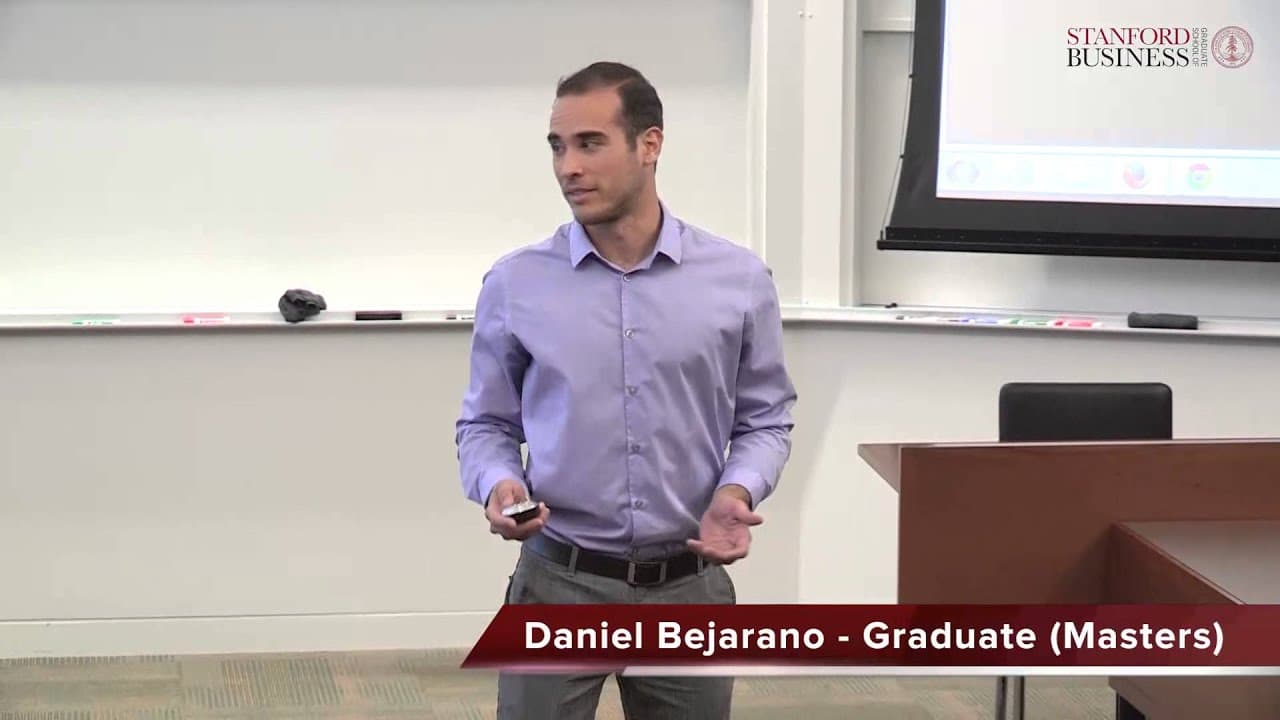
You can spot possible deception by comparing a person’s normal behavior with clusters of cues involving the face, hands, and feet. Watch for rapid blinking, poorly timed facial expressions, mouth covering, hidden palms, gestures that follow words, restless feet, or locked ankles, but look for at least three signs together before judging. Read on to understand what each cue may reveal and how to interpret it carefully.
Transcript
[MUSIC] When I was in fifth grade, I won an eating contest by eating five chicken-fried steaks. >> [LAUGH]
I used to volunteer at the Palo Alto VA Hospital to help them perform autopsies. When I lived in Australia I used to work night shifts as a bartender, as a professional mover as well. >> I dropped bakery school to come to Stanford. >> One o... Read More
Key Insights
- Over half of the total impact of a message is communicated non-verbally, so nonverbal cues can be important and reliable tells when someone is lying.
- Pupils are directly wired to the brain and cannot be controlled: they dilate when a person is excited and retract when disinterested, which is why poker players wear sunglasses to hide their eyes.
- Genuine emotion appears on the face first, before the words. If an emotion shows at the same moment as speech, or lasts longer than one second, it is likely faked.
- Lying hand gestures include covering the mouth, scratching the nose (adrenaline makes skin itchy), and rubbing the neck or ear as a childhood reassuring reflex.
- When telling the truth people gesture first and then speak, but when lying they usually say the words first and gesture afterward, revealing a timing mismatch.
- Exposed palms are hard to keep visible while lying, so liars tend to hide their hands in pockets, face palms down, or place them behind an object like a desk.
- According to former FBI analyst Joe Navarro, the feet are the most honest part of the body because people rehearse their faces and hands but rarely their feet.
- Ankle locking, where one ankle crosses the other, signals someone is withholding information, seen in therapy patients holding back emotions and negotiators hiding concessions.
Install to Summarize YouTube Videos and Get Transcripts
Explore YouTube Video Summarizer or Get YouTube Transcript Extractor
Questions & Answers
Q: How can you tell if someone is lying through body language?
Scan from the face to the hands and feet for cues such as rapid blinking, delayed gestures, hidden palms, restless feet, or locked ankles. Compare them with the person’s normal behavior and look for a cluster of at least three signs before judging.
Q: What eye movements may indicate deception?
Possible cues include frenetic blinking and avoiding eye contact. The presentation also says pupils dilate with excitement and retract with disinterest, and that people cannot consciously control these changes.
Q: How can you recognize a fake facial expression?
According to the presentation, genuine emotion appears on the face before the accompanying words. An expression that begins with the speech or lasts longer than one second may be forced or fake.
Q: Why do poker players wear sunglasses?
Poker players may wear sunglasses to prevent opponents from reading involuntary changes in their eyes. The presentation says pupils are directly wired to the brain, dilating with excitement and retracting with disinterest.
Q: Why might a liar cover their mouth or scratch their nose?
Covering the mouth is described as a protective response to the fear of being caught. The presentation says nervousness and lying release more adrenaline, which can make the skin itchy and lead to nose scratching; rubbing the neck or ear may serve as a reassuring reflex.
Q: What does the timing of gestures reveal about possible lying?
The presentation says truthful speakers tend to gesture first and then say the words. When someone lies, the words may come first and the gesture afterward, creating a noticeable timing mismatch.
Q: Why might liars hide their palms?
Exposed palms are associated with connecting to other people through actions such as handshakes and waving. The presentation says lying with palms exposed can be difficult, so a person may put their hands in pockets, turn the palms downward, or hide them behind an object such as a desk.
Q: Why are the feet considered an honest part of the body?
The feet are considered revealing because people often rehearse their facial expressions and hand movements but rarely control their feet. Possible cues include an unbalanced stance, constant movement, feet pointing away, and one ankle locking across the other.
Summary
In this video, the presenters discuss the body language of deception and how to spot liars in various situations such as games, interviews, negotiations, and presentations. They go through the different nonverbal cues of deception, starting from the face, then the hands, and finally the feet. They discuss the importance of eye contact, facial expressions, hand gestures, and the positioning of the palms. Additionally, they reveal that feet can be a significant indicator of honesty or deception, highlighting the importance of how someone stands, the movement of their feet, the direction their feet are pointing, and the concept of ankle locking.
Questions & Answers
Q: What are some behaviors to look for in the eyes to detect deception?
The presenter mentions that the dilation and retraction of pupils can be a strong indicator of someone's excitement or disinterest. When someone is dissimulating or not interested, their eyes may blink frenetically or they may avoid eye contact altogether.
Q: How can facial expressions be used to detect deception?
Facial expressions can be faked, but there are clues to detect in genuine expressions. The presenter suggests that genuine emotions show on the face first, before someone speaks. If the emotion seems to align with their speech, it may indicate deception. Also, genuine expressions tend to last less than a second, so if an expression lasts longer, it is more likely to be fake.
Q: How can tongue movements be a clue for deception?
When under pressure or stress, the tongue may flick phonetically. This can be observed when someone is trying to deceive, and it can manifest as repetitive tongue movements. For example, the presenter mentions a testimony where John Kerry flicked his tongue like a snake eight times in 90 seconds, potentially indicating deception.
Q: What hand gestures can be indicators of deception?
The presenter mentions a few hand gestures that may suggest deception. Covering the mouth can be a subconscious attempt to hide lies. Scratching the nose can be a result of increased adrenaline, creating itchiness in the skin. Rubbing the neck or ear can be a reassuring reflex from childhood. These gestures can indicate nervousness and a desire to self-soothe when lying.
Q: How does the timing of gestures differ between truth and deception?
Normally, when speaking and gesturing simultaneously, the gesture precedes the words. However, when someone is lying, they tend to say the words first and then make the accompanying gesture. This delayed timing can be a cue for deception.
Q: What is the significance of the positioning of palms in detecting deception?
Palms are an important part of our body for connecting with others, and when someone is lying, they may feel uncomfortable exposing their palms. They may put their hands in their pockets, place them facing down, or hide them behind an object like a desk. This positioning is an attempt to create a barrier or distance between themselves and the people they are lying to.
Q: How can feet reveal signs of deception?
According to the presenter, feet movements can be very telling. The way someone stands can indicate their comfort level and confidence. Crossing the legs may signify a closed and defensive position. Shifting weight or rocking back and forth can indicate nervousness. The direction of the feet can demonstrate interest or disinterest, while ankle locking can suggest a person is withholding information.
Q: Why are feet considered important in detecting deception?
Since people often focus on controlling their facial expressions and hand gestures when lying, they tend not to rehearse their feet movements. As a result, feet behaviors can be more spontaneous and involuntary, making them potentially more honest indicators of deception.
Q: How many signs of lying should be observed before concluding deception?
It is recommended to view behaviors in clusters and look for at least three signs of lying before accusing someone of deception. Gathering multiple nonverbal cues can strengthen the case for detecting lies.
Q: How should this knowledge be applied?
The presenters suggest using this knowledge not only to spot liars in others but also to recognize and manage one's own nonverbal cues. They give examples of situations like the World Series of Poker, tough negotiations, or interviews where this knowledge can be applied to gain an advantage.
Takeaways
Understanding the body language of deception can help in detecting lies in various scenarios. Nonverbal cues such as eye movements, facial expressions, hand gestures, and feet behaviors can reveal important clues. By observing multiple signs and considering the context, one can become better at spotting deception. However, it is essential to apply this knowledge ethically and use it for personal growth as well.
Summary & Key Takeaways
-
The presentation, drawing on body language expert Carol Goman's research, teaches viewers to detect deception by reading nonverbal cues from the top of the body down: starting with the face, moving to the hands, and ending with the feet.
-
Facial tells include uncontrollable pupil dilation, frenetic blinking, avoiding eye contact, and tongue flicking under pressure. Hand tells include covering the mouth, scratching the nose, hiding palms, and gesturing after speaking rather than before.
-
The feet are called the most honest body part because they are rarely rehearsed. Signs include an unbalanced stance, constant feet movement, feet pointing away, and ankle locking. Always view behaviors in clusters of at least three.
Read in Other Languages (beta)
Share This Summary 📚
Summarize YouTube Videos and Get Video Transcripts with 1-Click
Try YouTube Summary with ChatGPT & Claude or YouTube Transcript Generator
Explore More Summaries from Stanford Graduate School of Business 📚


Summarize YouTube Videos and Get Video Transcripts with 1-Click
Try YouTube Summary with ChatGPT & Claude or YouTube Transcript Generator