How to tell if a gym trainer is fake and unhelpful
TL;DR
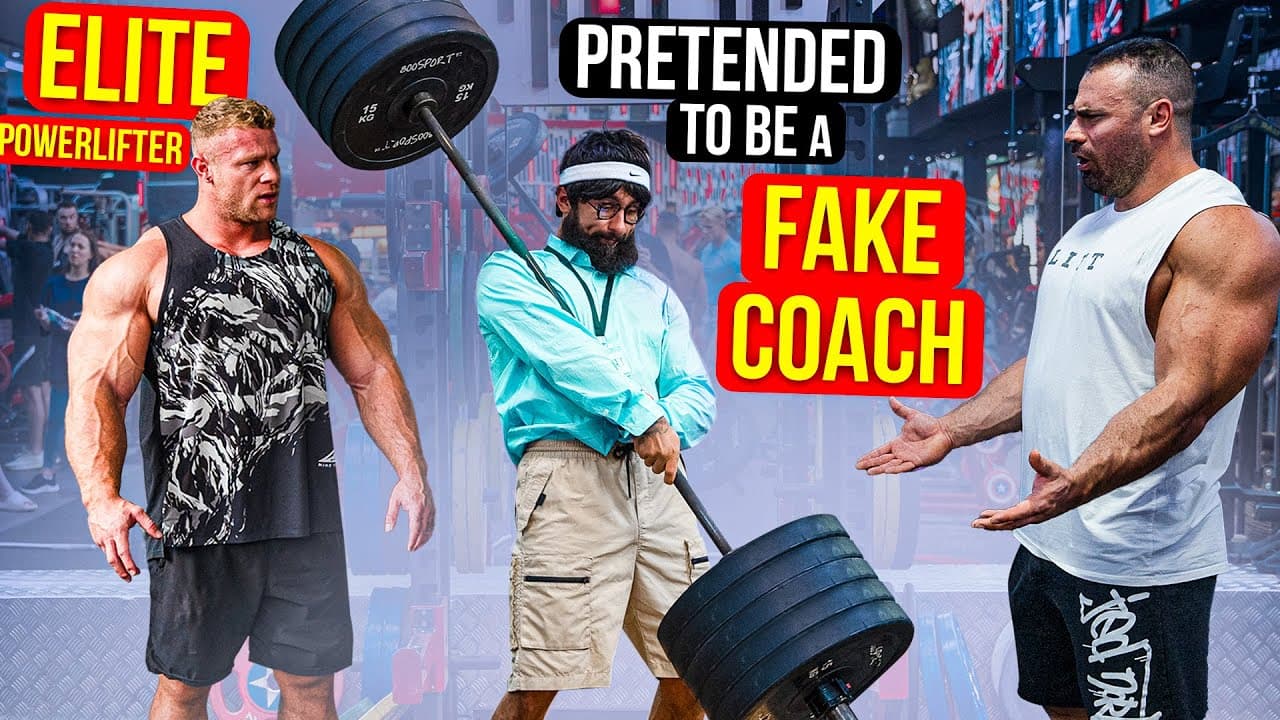
A fake gym trainer pretends to help but pushes questionable methods, often selling DVDs and programs. The video shows Anatoly as a prankster trainer in the gym, while a real professional brand is promoted later in the clip. Viewers are reminded to question trainers and watch for pressure to buy training products.
Transcript
your Technique a little bit wrong I have some special method if you want you can try this you can do just this one no no no no no no go I'm sorry I don't want just one chance like this it's my favorite for deadly what's going on guys Anatoli here and this new video where I pretend to be a trainer in the gym today will be of course professional trai... Read More
Key Insights
- Fake trainers may pose as experts to gain access and trust in the gym.
- They often push merchandise like DVDs or training programs to monetize interactions.
- Gesture and tone can be used to pressure clients into quick commitments.
- Improper or unsafe exercises are sometimes demonstrated to convince viewers of effectiveness.
- Scenes may blur lines between entertainment and real coaching to test audience gullibility.
- A genuine trainer will respect gym space and avoid interrupting others during workouts.
- Product pitches can appear legitimate when wrapped in training jargon and credentials.
- Skepticism of sales tactics is a healthy stance when evaluating a trainer in real life.
Install to Summarize YouTube Videos and Get Transcripts
Explore YouTube Video Summarizer or Get YouTube Transcript Extractor
Questions & Answers
Q: What is the main warning about gym trainers in this video?
The video highlights a prank where a person pretends to be a trainer and pressures gym members into accepting dubious methods and free or paid programs. It exposes how some individuals use authority, suggested expertise, and sales pitches to push products rather than providing safe, effective guidance. The takeaway is to question credentials and observe how they interact with clients.
Q: How does the prank demonstrate questionable coaching behavior?
The prank shows a trainer figure interrupting workouts, offering a personalized method, and pushing products like a DVD program. This behavior reveals a focus on selling rather than improving technique, including unsafe demonstrations and overreaching claims about results. The scene emphasizes the importance of professional boundaries and proper gym etiquette.
Q: What kind of products does the fake trainer promote?
The fake trainer promotes a DVD program, a training plan, nutrition guidance, and a home workout setup. These items are presented as essential components of a training regimen, often with the promise of quick gains. Viewers are reminded to evaluate such offers critically and consider genuine coaching credentials.
Q: What should viewers watch for to identify a potentially fake trainer?
Look for aggressive sales pitches, pressure to take immediate offers, vague or exaggerated claims about results, demonstrations that seem unsafe or inconsistent with established training standards, and a lack of transparent credentials. Respect for gym members and space, plus willingness to share genuine, evidence based advice are good signs of a legitimate trainer.
Q: How does the video portray gym etiquette in this scenario?
The prank shows the fake trainer interrupting others during workouts and attempting to set up demonstrations that invade personal space. It underscores the importance of asking for consent before training someone, avoiding unsolicited advice, and not pressuring others to buy products. Good etiquette includes listening and respecting others' training goals.
Q: What does the video suggest about buying training programs online?
The video suggests skepticism toward unsolicited online programs and DVDs offered by individuals posing as trainers. It implies that such offers may be used to exploit naivety or eagerness to improve, rather than provide vetted, safe, or effective guidance. Always verify credentials and seek third party reviews before purchasing.
Q: Why is it important to observe how a trainer communicates?
Communication reveals intent and professionalism. A legitimate trainer communicates clearly, respects boundaries, and provides practical, safe guidance without coercive sales tactics. Observing communication helps identify whether the trainer prioritizes client safety and progress or primarily aims to monetize the interaction.
Q: What is the broader lesson for gym goers from this prank?
The broader lesson is to critically assess who you trust for coaching, verify credentials, and be wary of high pressure sales tactics. It encourages learners to seek qualified trainers with proven track records, ask for demonstrations of proper technique, and avoid quick, unsubstantiated promises of rapid results. Safety and transparency matter most.
Summary & Key Takeaways
-
A prank video shows a self styled trainer in a gym encounter with a lifter, offering dubious methods and pushing a DVD program. The format highlights how a supposed expert tries to legitimize himself by associating with real trainers and gym equipment. The message is to be wary of aggressive sales tactics.
-
The video blends humor with a warning about questionable coaching, emphasizing body building talk, home workouts, and powerlifting language. It contrasts legitimate credentials with pushy sales pitches and incomplete demonstrations.
-
The takeaway is to stay critical of unsolicited training advice and observe how trainers communicate, demonstrate exercises, and respect gym etiquette while offering genuine value and transparent pricing.
Read in Other Languages (beta)
Share This Summary 📚
Summarize YouTube Videos and Get Video Transcripts with 1-Click
Try YouTube Summary with ChatGPT & Claude or YouTube Transcript Generator
Explore More Summaries from ANATOLY 📚




Summarize YouTube Videos and Get Video Transcripts with 1-Click
Try YouTube Summary with ChatGPT & Claude or YouTube Transcript Generator