How to self study effectively for AP exams
TL;DR
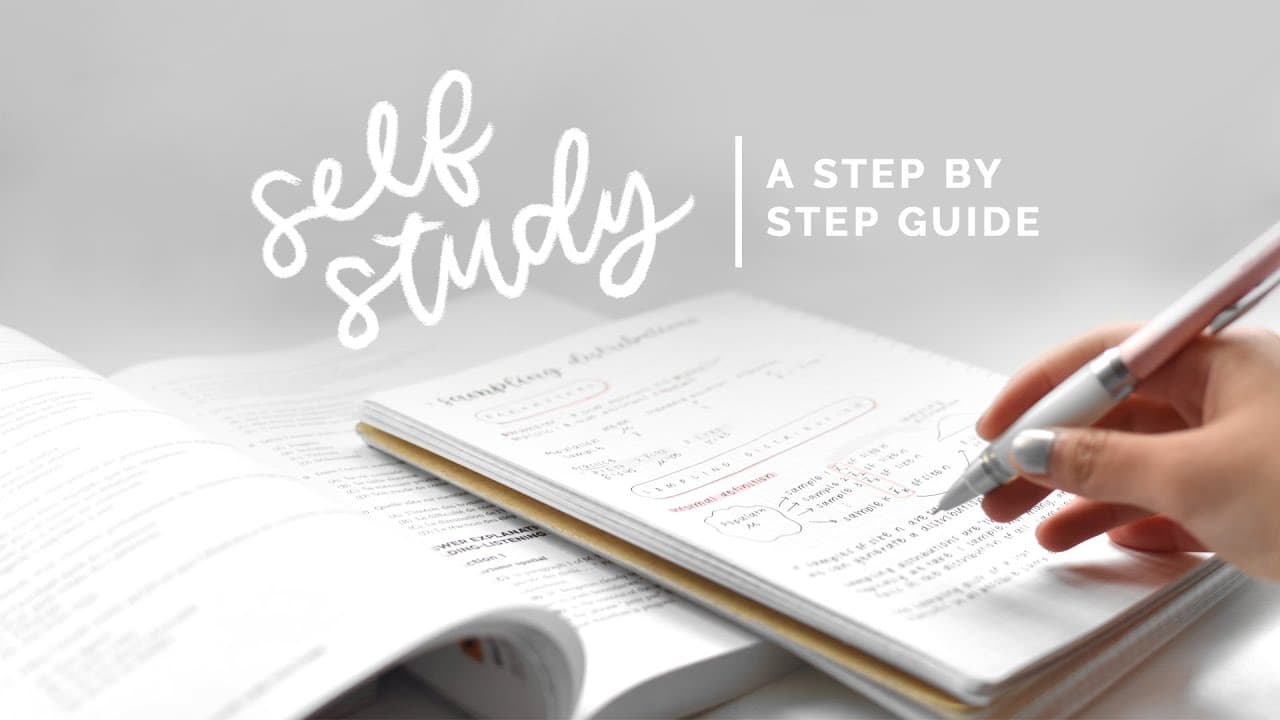
Start with one comprehensive text resource that acts as your syllabus, then add a supplementary resource for extra detail and practice questions. Build a study framework from the table of contents, schedule weekly lessons, and use full length practice questions to test recall and analytic thinking throughout the plan.
Transcript
coronavirus has really left us in a great situation hasn't it since all of my viewers are of course incredibly responsible and conscientious public health minded citizens I'm sure many of you are practicing social distancing by avoiding going outside or you know maybe you've been forced into this social distancing public health lifestyle because yo... Read More
Key Insights
- A reliable textbook or resource is the foundation for self study and helps establish what you need to know and at what depth.
- The table of contents serves as your syllabus and guides prioritization of topics based on how deeply they are covered.
- Supplementary resources can corroborate main ideas and offer alternative explanations to improve understanding.
- Incorporating practice questions from official or well regarded sources is invaluable for exam readiness.
- A second resource can fill gaps left by the main resource and cover topics more thoroughly or from a different perspective.
- Creating a clear framework involves mapping topics to lessons and identifying any missing topics from all sources.
- Scheduling divides the study into time buckets with a buffer before the exam to review and practice under test conditions.
- Execution centers on reading to absorb information, then using recall and practice tests to move from rote memory to higher level thinking.
Install to Summarize YouTube Videos and Get Transcripts
Explore YouTube Video Summarizer or Get YouTube Transcript Extractor
Questions & Answers
Q: How should I choose a main resource for self studying
Choose a main resource that is comprehensive and widely used, ideally a textbook or prep book with a clear table of contents that functions as a syllabus. It should cover the major topics at an appropriate depth and include practice questions or tests to gauge understanding. This resource provides a stable framework that you can build upon with supplementary materials.
Q: What role does the table of contents play in planning
The table of contents acts as your syllabus, outlining all topics and the depth expected for each. By skimming it you can see which topics are covered more deeply, signaling their importance. It also helps you decide how to chunk the material into lessons and where you may need to seek additional explanations from supplementary resources.
Q: Why are practice questions important
Practice questions are crucial because they provide concrete problems to apply what you learn and help you adapt to the question style of exams. They reveal gaps in knowledge and test your ability to recall and analyze information under exam conditions, which strengthens memory and critical thinking skills over time.
Q: How should I use supplementary resources
Supplementary resources should corroborate the main resource and offer alternative explanations. They can explain topics differently, provide extra examples, and cover areas the main resource underemphasizes. Use them to fill gaps, deepen understanding, and reinforce concepts through varied presentations.
Q: How to create a study framework from resources
Start by identifying the main topics from the table of contents and note any topics that appear more or less important across resources. Then combine these topics into a structured set of lessons, adding missing topics from supplementary sources. This creates a coherent framework that guides your daily and weekly study activities.
Q: What is the best way to schedule study time
Set a fixed study window and divide it into time buckets such as weeks or blocks. Allocate a certain number of lessons per bucket and build in a buffer period before the exam for review or full practice tests. A weekly schedule helps adapt to varying daily workloads and maintains steady progress.
Q: How should I divide topics into lessons
Divide larger topics into smaller lessons by using the chapter structure of the main resource and any gaps identified in supplementary materials. If a chapter is too long, split it into multiple lessons with reasonable page counts. This makes each study session manageable and ensures steady progression.
Q: What is the hardest part of executing a self study plan
The executing phase is hardest because it requires consistent pacing and discipline to cover all topics. You must move from passive reading to active recall and practice, manage time effectively, and stay motivated. Regular practice tests and milestone reviews help maintain momentum and identify weak areas early.
Summary & Key Takeaways
-
Your plan begins with selecting a single main resource that provides the syllabus from its table of contents and then adds a supplementary resource for deeper understanding and additional practice.
-
Next, you create a concrete framework by skimming the main resource and cross checking with supplements to identify topic importance and coverage gaps, ensuring you have a balanced study outline.
-
Finally, you schedule and execute the plan by dividing topics into lessons, setting a deadline, and using practice questions to reinforce memory and raise analytical skills.
Read in Other Languages (beta)
Share This Summary 📚
Summarize YouTube Videos and Get Video Transcripts with 1-Click
Try YouTube Summary with ChatGPT & Claude or YouTube Transcript Generator
Explore More Summaries from studyquill 📚
Summarize YouTube Videos and Get Video Transcripts with 1-Click
Try YouTube Summary with ChatGPT & Claude or YouTube Transcript Generator