Why Did China Halt Paper Gold Trading?
TL;DR
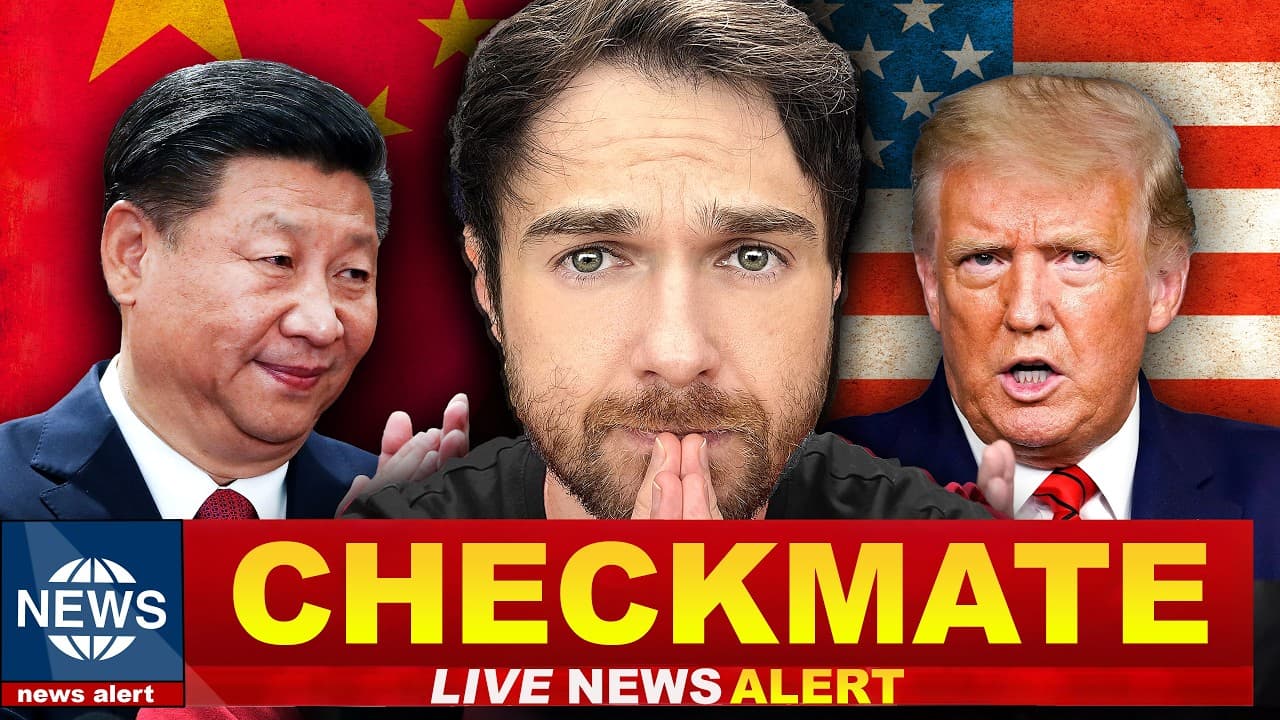
China is shutting down paper gold trading to curb speculation and potentially reveal the true market value of gold. This move aligns with China's strategy to bolster its currency by anchoring it to gold, challenging the dominance of the US dollar. Central banks, including China's, are increasingly buying physical gold, indicating a shift away from paper assets.
Transcript
So, the battle for what is money and who controls it just got really interesting. At the start of the year, some investors apparently made a bet that gold could be worth as much as $20,000 per ounce by the end of the year. Now, today, gold is worth closer to $4,000. But what's interesting is that on June 24th, one of China's biggest banks, the Indu... Read More
Key Insights
- China's major banks, including ICBC, are halting paper gold trading to reduce market speculation.
- The official reason for shutting down paper gold trading is to protect citizens from market volatility.
- China's strategy may be to reveal the true value of gold, which is believed to be suppressed by paper markets.
- Central banks globally are buying physical gold at unprecedented rates, indicating a shift from paper assets.
- China is establishing a new gold clearing system to set prices independently from Western markets.
- The US could counter by revaluing its gold reserves, potentially introducing gold-backed Treasury bonds.
- The divergence between physical and paper gold prices suggests market manipulation in traditional markets.
- China's actions are part of a broader strategy to increase the yuan's global influence by anchoring it to gold.
Install to Summarize YouTube Videos and Get Transcripts
Explore YouTube Video Summarizer or Get YouTube Transcript Extractor
Questions & Answers
Q: Why is China stopping paper gold trading?
China is stopping paper gold trading to curb market speculation and protect retail investors from volatility. By halting these trades, China aims to facilitate real price discovery for gold, which is believed to be undervalued due to manipulation in paper markets. This move aligns with China's broader strategy to strengthen the yuan's global influence by anchoring it to gold.
Q: What is the impact of China's decision on global gold markets?
China's decision to halt paper gold trading could significantly impact global gold markets by reducing speculation and potentially leading to a revaluation of gold prices. As China establishes a new gold clearing system, pricing power may shift from Western markets to Asia, altering the dynamics of gold trading and challenging the dominance of the US dollar.
Q: How are central banks responding to changes in the gold market?
Central banks are responding to changes in the gold market by increasing their purchases of physical gold. This trend reflects a shift away from paper assets, indicating a lack of trust in the current financial system. Central banks' actions suggest a move towards more stable, tangible assets, potentially impacting global financial strategies and the valuation of currencies.
Q: What is China's new gold clearing system?
China's new gold clearing system is designed to establish real price discovery by basing gold prices on physical delivery rather than paper contracts. This system, run out of Hong Kong and in collaboration with the Shanghai Gold Exchange, aims to shift pricing power from Western markets to China, strengthening the yuan's position in global trade.
Q: How might the US respond to China's gold strategy?
The US might respond to China's gold strategy by revaluing its gold reserves and potentially introducing gold-backed Treasury bonds. This could help maintain the dollar's influence by partially anchoring it to gold, similar to China's strategy with the yuan. Such moves would aim to counterbalance China's growing financial influence and stabilize the US financial position.
Q: What is the theory behind paper gold market manipulation?
The theory behind paper gold market manipulation suggests that the abundance of paper gold contracts suppresses the real value of gold. By trading claims rather than physical gold, the market creates an inflated supply, leading to lower prices. China's move to halt paper gold trading aims to eliminate this manipulation and reveal the true market value of gold.
Q: What role does gold play in China's currency strategy?
Gold plays a crucial role in China's currency strategy by acting as an anchor to strengthen the yuan's global influence. By linking the yuan to gold, China aims to enhance its currency's stability and appeal in international trade, challenging the dominance of the US dollar and promoting a multipolar financial system.
Q: Why are central banks buying more physical gold?
Central banks are buying more physical gold as a hedge against financial instability and to diversify their reserves away from paper assets. This trend reflects a growing distrust in the current financial system and a preference for tangible, stable assets. The shift to physical gold aligns with broader strategies to protect national currencies and influence global financial markets.
Summary & Key Takeaways
-
China's decision to halt paper gold trading is aimed at limiting speculation and potentially uncovering the true market value of gold. This move is part of a broader strategy to strengthen the yuan by linking it to gold, challenging the US dollar's global dominance.
-
Central banks, including China's, are increasingly purchasing physical gold, signaling a shift away from reliance on paper assets. This trend suggests a lack of trust in the current financial system and a move towards more stable, tangible assets.
-
The US may respond by revaluing its gold reserves and introducing gold-backed Treasury bonds, attempting to maintain its financial influence. China's new gold clearing system could shift the global gold pricing power from Western markets to Asia.
Read in Other Languages (beta)
Share This Summary 📚
Summarize YouTube Videos and Get Video Transcripts with 1-Click
Try YouTube Summary with ChatGPT & Claude or YouTube Transcript Generator
Explore More Summaries from Andrei Jikh 📚



Summarize YouTube Videos and Get Video Transcripts with 1-Click
Try YouTube Summary with ChatGPT & Claude or YouTube Transcript Generator