What Happened With the Roseanne Show Revival?
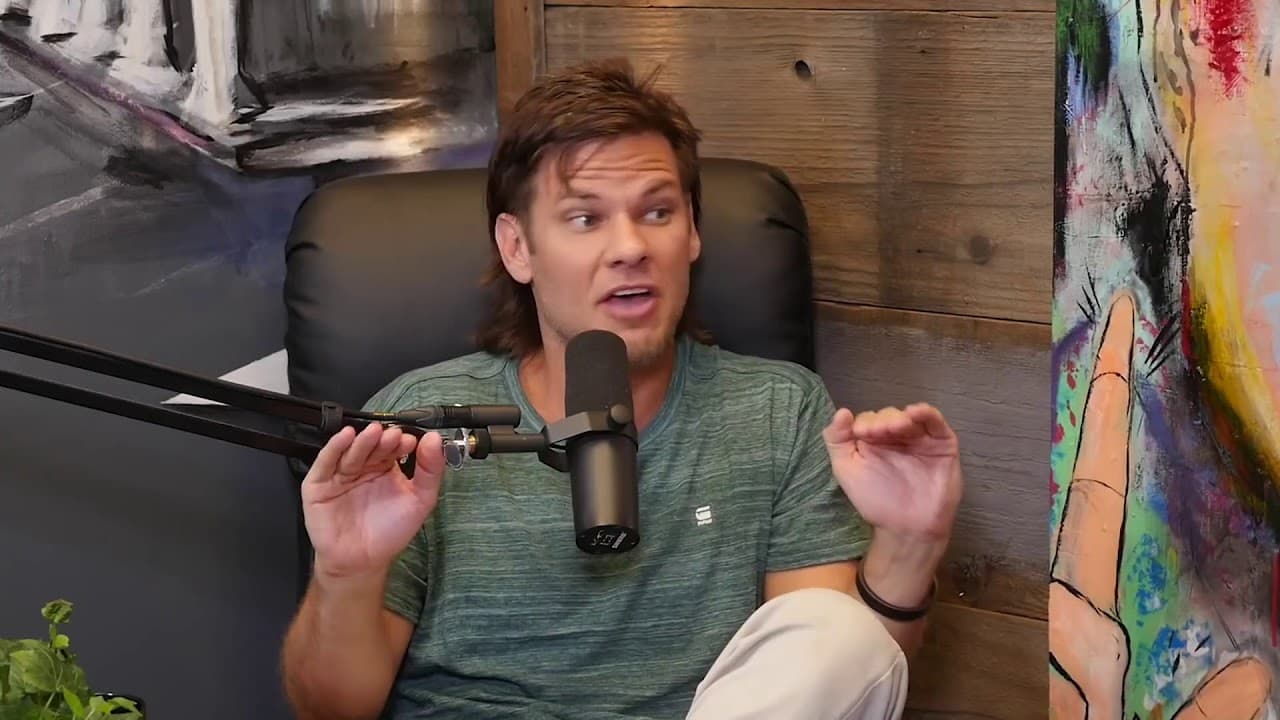
TL;DR
The Roseanne revival aimed to foster dialogue across political divides but ultimately struggled due to Roseanne Barr's controversial actions and statements. This dissonance between the character and the actress created significant challenges for the writers, culminating in the show's cancellation as a result of Barr's inflammatory social media presence.
Transcript
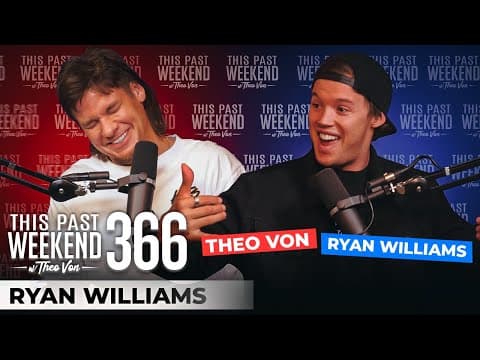
oh so when when the Roseanne thing quit you quit the show before that though I quit the show much before yeah I remember seeing you at The Improv and you were like its it felt like something was weird was something weird over there you didn't like it well I only plan on doing one season of Roseanne I always planned on doing one season did you watch... Read More
Key Insights
- 🙈 The revival of Roseanne was initially seen as an opportunity to bridge political divides through humor and dialogue.
- 🛟 The speaker emphasized the disconnect between the character Roseanne Connor and Roseanne Barr's real-life political beliefs, creating an internal conflict for the writers.
- 🥺 Barr's controversial statements online escalated tensions and ultimately led to the cancellation of the show, demonstrating how personal actions can affect professional projects.
- 👪 The conversation reflects broader societal challenges in understanding differing political beliefs within families and communities.
- 🔇 Despite the cancellation, the speaker acknowledged the cultural significance of the show and its potential impact on audiences across the political spectrum.
- 🔉 The situation highlights the responsibility of public figures in using social media wisely to avoid damaging their reputations and careers.
- 🫵 The speaker viewed the series as a therapeutic opportunity that crashed against the reality of public perception and accountability.
Install to Summarize YouTube Videos and Get Transcripts
Explore YouTube Video Summarizer or Get YouTube Transcript Extractor
Questions & Answers
Q: What motivated the speaker to join the revival of the Roseanne show?
The speaker was motivated by a desire to explore the political landscape after Trump's election, especially why many women support him. They aimed to create work that could spark conversation and contribute to national healing, despite the challenges posed by Barr's public persona.
Q: How did the speaker feel about Roseanne Barr's past political support?
The speaker was confounded by Barr's support for Trump, recalling how progressive the original show had been. They found it hard to reconcile the character's earlier messages with Barr's current views, creating a personal struggle in understanding her shift over time.
Q: What were the challenges faced during the show's production?
One major challenge was reconciling the fictional character with the real Roseanne Barr amid heightened pressures and expectations for the revival. The speaker found it difficult to write for someone whose beliefs diverged significantly from their own, creating tension in the writers' room.
Q: What impact did Roseanne's tweets have on the show?
Barr's controversial tweets ultimately led to the cancellation of the show, highlighting the disconnect between her character's legacy and her real-life views. The speaker noted that Barr's Twitter presence led to significant fallout and ultimately cost many people their jobs, raising questions about accountability.
Q: How did the speaker view the political climate surrounding the show's return?
The speaker observed a cultural division, feeling that regardless of political affiliation, there was a shared nostalgia and appreciation for the original Roseanne show. They noted the potential for the revival to contribute positively to discussions amidst the political divide but faced harsh realities.
Q: What did the speaker hope to achieve with the show's revival?
The speaker aimed to create a show that could serve as a catalyst for dialogue among differing political views and facilitate a healing process for the country. However, they ended up feeling that their aspirations were undermined by the creator's controversial actions and public fallout.
Q: Why does the speaker believe Twitter can be harmful for public figures?
The speaker believes that Twitter amplifies irresponsible statements and silences important conversations by creating echo chambers. They noted that public figures like Roseanne Barr could unwittingly spread harmful ideas, complicating her audience's understanding of her true intentions and beliefs.
Q: What could have been done differently regarding Barr’s social media activity?
The speaker suggested that ABC could have imposed stricter guidelines on Barr's social media activity, as her erratic tweets had been problematic prior to the show's revival. They felt that preventing potentially damaging statements would have saved both the show and numerous jobs.
Summary & Key Takeaways
-
The speaker reveals their initial excitement to work on the Roseanne revival amid political tensions and their intent to explore diverse viewpoints.
-
They express a struggle in separating the fictional character Roseanne Connor from the real-life Roseanne Barr, especially following Barr's controversial political statements.
-
The speaker reflects on the challenges and pressures of creating content for a show with significant political implications and public scrutiny, ending with thoughts on the consequences of Barr's actions.
Read in Other Languages (beta)
Share This Summary 📚
Summarize YouTube Videos and Get Video Transcripts with 1-Click
Try YouTube Summary with ChatGPT & Claude or YouTube Transcript Generator
Explore More Summaries from Theo Von 📚
Summarize YouTube Videos and Get Video Transcripts with 1-Click
Try YouTube Summary with ChatGPT & Claude or YouTube Transcript Generator