Best Evidence for Life After Death: World's Largest NDE Study Revealed | Jeffrey Long
TL;DR
A physician discusses his 30-year journey studying near-death experiences and their implications.
Transcript
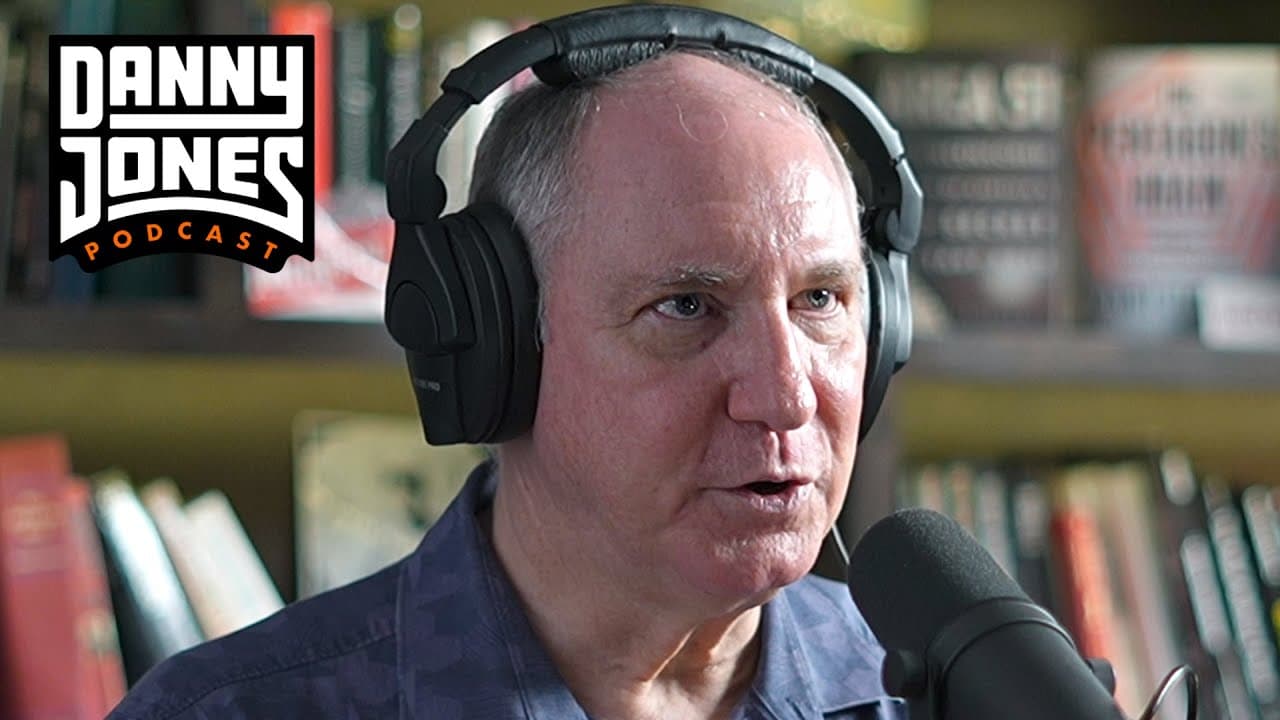
all right Jeffrey long thank you so much for joining us today sir it's a real pleasure how did you get so fascinated and dedicate 30 years of your life to studying near-death experiences you know I was in my residency training I'm a physician my medical specialty is radiation oncology which is the use of radiation to treat cancer so there I was 30 ... Read More
Key Insights
- 😷 The discovery of near-death experiences during medical training can profoundly change a physician's outlook on life and death.
- 😷 Integrating research on near-death experiences in medical practice can enhance patient relationships and provide emotional support.
- 🥰 Shared near-death experiences allow for validation of consciousness existing outside the physical body and illustrate the significance of love and connection in these moments.
- 🛟 Competitive scientific inquiries, like those initiated by Bigelow, encourage serious scholarly attention to near-death experiences and life after death.
- ❓ The study of near-death experiences unveils common patterns across culture and belief, indicating a universal experience beyond individual interpretations.
- 😨 Individuals often report significant life changes post-near-death experiences, including heightened compassion and decreased fear of death.
- 🙈 Blind individuals or those with visual impairments often report newfound vision during near-death experiences, challenging conventional understanding of sight.
Install to Summarize YouTube Videos and Get Transcripts
Explore YouTube Video Summarizer or Get YouTube Transcript Extractor
Questions & Answers
Q: What initially sparked your interest in near-death experiences?
During my residency training, I stumbled across an article in a prestigious journal that discussed near-death experiences. As a physician, I was intrigued because the accounts defied medical understanding, showing consciousness existing after cardiac arrest, which transformed my understanding of life and death.
Q: How do you approach discussions about near-death experiences with your cancer patients?
I am cautious not to impose my beliefs on patients. I make my research and interests known, and if patients or their families express curiosity, I welcome these discussions. Sharing near-death experiences can provide comfort and strengthen bonds, aiding their emotional journey during cancer treatment.
Q: Can you explain the significance of the competition with Robert Bigelow?
In 2012, Robert Bigelow initiated a competition asking for essays that provided scientific evidence for the survival of consciousness after death. I submitted my essay on near-death experiences and was honored to be a runner-up, which helped to validate the significance of this research in a scholarly context.
Q: How do you differentiate between near-death experiences and other spiritual events?
Near-death experiences are defined by being non-physical experiences that occur during a life-threatening event. They shouldn't be conflated with other spiritual experiences unless they meet the criteria of being unconscious and having a distinct, transformative event, like a clear out-of-body experience.
Q: What have you discovered in your extensive research database on near-death experiences?
With over 4,000 submissions, our database highlights consistent patterns among the participants' experiences, such as the feeling of love, encounters with deceased loved ones, and often described feelings of peace and connection. This consistency across diverse backgrounds lends credibility to the phenomenon.
Q: What role do religious beliefs play in near-death experiences?
Interestingly, studies show there is no strong correlation between a person's pre-existing beliefs and whether they have a near-death experience or its content. While individuals may interpret their experiences through their belief lens, the foundational elements often remain the same across all backgrounds.
Summary & Key Takeaways
-
The speaker, a radiation oncology physician, shares how discovering the term "near-death experience" during his training sparked a 30-year interest in the subject, revolutionizing his perspective on life and death.
-
He has integrated his research into his medical practice, encouraging discussions about near-death experiences with patients who show interest, fostering connections and aiding their emotional experiences during cancer treatment.
-
The content delves into shared near-death experiences, the influence of previous life beliefs, and the potential for expanded consciousness, affirming that profound change occurs in individuals who endure these experiences.
Read in Other Languages (beta)
Share This Summary 📚
Summarize YouTube Videos and Get Video Transcripts with 1-Click
Try YouTube Summary with ChatGPT & Claude or YouTube Transcript Generator
Explore More Summaries from Danny Jones Podcast 📚

Summarize YouTube Videos and Get Video Transcripts with 1-Click
Try YouTube Summary with ChatGPT & Claude or YouTube Transcript Generator