How Will Australia Respond to the Bondi Attack?
TL;DR
Australia is considering tighter firearm limits after 16 people, including one shooter, were killed during a Hanukkah celebration at Bondi Beach. Proposed measures include caps on firearm ownership, limits on open-ended licenses, stricter rules for weapons and modifications, and additional requirements for license holders. The program also examines diverging central-bank policies and the investment outlook for 2026.
Transcript
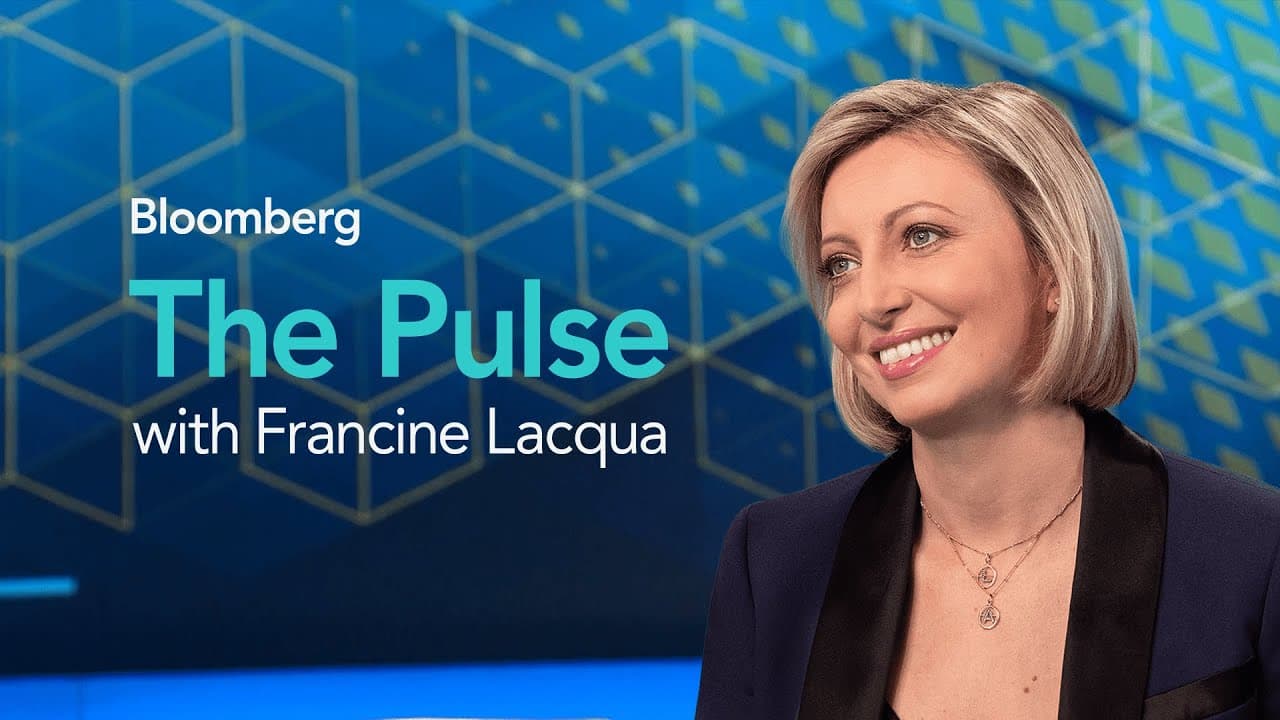
NEWSMAKERS AND MARKET MOVERS, THIS IS THE PULSE WITH FRANCINE LACQUA. FRANCINE: GOOD MORNING. I'M FRANCINE LACQUA IN LONDON. AUSTRALIA'S PRIME MINISTER HAS SET UP OPTIONS FOR STRENGTHENING GUN LAWS FOLLOWING THE COUNTRY'S WORST EVER TERRORIST ATTACK. 16 PEOPLE INCLUDING ONE SHOOTER WERE KILLED AFTER A GUNMAN OPENED FIRE DURING AN ECHO CELEBRATIO... Read More
Key Insights
- Australia's proposed gun-law response includes caps on the number of firearms an individual may possess, restrictions on open-ended licenses, and stricter controls on gun types and modifications. Officials began exploring these options after an emergency meeting involving state and national leaders.
- Open-ended firearm licenses are under scrutiny because personal circumstances can change over time. Prime Minister Anthony Albanese argued that license holders may become radicalized or develop issues that could prompt violence, making periodic limits or reassessments an important policy option.
- The Bondi Beach attack killed 16 people, including one shooter, during a Hanukkah celebration. The description characterizes it as Australia's deadliest terrorist attack and its most fatal mass shooting since the Port Arthur killings on April 28, 1996.
- Ahmed al-Ahmed is credited with confronting one of the attackers before police arrived. The 43-year-old tobacco shop owner suffered two gunshot wounds, but the New South Wales premier said his intervention prevented further loss of life.
- The Bank of Japan's guidance is expected to matter more than a widely anticipated rate increase. The market discussion focused on whether policymakers would abandon a gradual approach and how frequently further moves might occur while most other central banks consider easing.
- The Bank of England is expected by the guests to continue easing as services inflation declines and labor-market conditions deteriorate. Their analysis points to weakening vacancy-to-unemployment conditions, softer wage pressure, and a fiscal drag of 1.5 percentage points over the next few years.
- The European Central Bank is expected by the guests to remain on hold rather than raise rates during the following year. They cited inflation projections below the 2% target and weaker demand for European exports as reasons that risks could lean toward additional easing.
- US large-cap equities remain attractive in the guests' outlook because earnings are robust and performance is tied to earnings growth of 10% to 12%. Fiscal stimulus, artificial-intelligence investment, tax rebates, potential tariff clarity, and resilient consumption were cited as supporting factors.
Install to Summarize YouTube Videos and Get Transcripts
Explore YouTube Video Summarizer or Get YouTube Transcript Extractor
Questions & Answers
Q: How could Australia strengthen gun laws after the Bondi attack?
Australia could cap the number of firearms one person may hold, place limits on open-ended licenses, tighten restrictions on firearm types and modifications, and establish additional requirements for license holders. These options were assigned to police ministers and the attorney general for examination after Prime Minister Anthony Albanese met with state and national leaders.
Q: Why are open-ended firearm licenses being reconsidered in Australia?
Open-ended licenses are being reconsidered because a person's circumstances can change after a license is granted. Prime Minister Anthony Albanese said someone might become radicalized over time or develop issues that could lead to violence. One of the Bondi shooters had held licenses for almost a decade, strengthening the case for time limits or renewed assessments.
Q: What happened during the attack at Bondi Beach?
Two gunmen, described in the broadcast as a father and son, attacked a Hanukkah celebration at Bondi Beach. Sixteen people, including one shooter, were killed. The description calls the massacre Australia's deadliest terrorist attack and its most fatal mass shooting since the Port Arthur attack in Tasmania on April 28, 1996.
Q: Who was the bystander praised for confronting a Bondi gunman?
Ahmed al-Ahmed, a 43-year-old man who owns a tobacco shop, was praised for tackling one of the gunmen before police arrived. He suffered two gunshot wounds and was hospitalized. The New South Wales premier said more lives would have been lost without his intervention, and a crowdfunding page raised more than $775,000.
Q: What was the expected policy direction from the Bank of Japan?
The market guests expected the Bank of Japan to increase rates because of strong inflation and uncertainty surrounding United States trade policy. Since a rate increase was already reflected in market pricing, they considered the bank's guidance more important. The central question was whether policymakers would move away from a gradual stance and signal more frequent action.
Q: Why did the guests expect further Bank of England rate cuts?
The guests expected further easing because services inflation, although still sticky, was declining, while labor-market indicators were deteriorating. A weaker vacancy-to-unemployment relationship could reduce wage pressure and then moderate services inflation. They also cited a fiscal drag of 1.5 percentage points over the next few years and anticipated a closely divided policy vote.
Q: Why did the guests reject expectations for an ECB rate hike?
The guests expected the European Central Bank to remain on hold during the following year, with risks tilted toward additional easing. They noted that September projections placed inflation below the 2% target for the next couple of years. They also argued that higher United States tariffs could weaken demand for European exports and intensify the shortfall.
Q: What investment opportunities did the market guests favor for 2026?
The guests favored the middle portion of the UK gilt curve because it offered exposure to additional easing with less sensitivity to global rate repricing. In Europe, they preferred peripheral bonds and investment-grade credit over longer-duration German government bonds. They also remained constructive on US large-cap equities because of earnings, fiscal stimulus, artificial-intelligence investment, and resilient consumption.
Summary & Key Takeaways
-
Prime Minister Anthony Albanese convened an emergency meeting with state and national leaders after the Bondi Beach terrorist attack. Officials agreed to explore stronger gun laws, including ownership caps, time limits on licenses, tighter controls on firearm types and modifications, and further requirements for people who hold licenses.
-
Ahmed al-Ahmed, a 43-year-old tobacco shop owner, was praised for tackling one of the gunmen before police arrived. New South Wales officials said his intervention prevented additional deaths. He suffered two gunshot wounds and was hospitalized, while a crowdfunding campaign raised more than $775,000 for him.
-
The market discussion focused on diverging central-bank paths and investment opportunities. Guests expected a Bank of Japan rate increase, further Bank of England easing, and no European Central Bank hike during the following year. They preferred parts of the gilt curve, European investment-grade credit, and US large-cap equities supported by earnings.
-
Key Insights
Read in Other Languages (beta)
Share This Summary 📚
Summarize YouTube Videos and Get Video Transcripts with 1-Click
Try YouTube Summary with ChatGPT & Claude or YouTube Transcript Generator
Explore More Summaries from Bloomberg Television 📚


Summarize YouTube Videos and Get Video Transcripts with 1-Click
Try YouTube Summary with ChatGPT & Claude or YouTube Transcript Generator