How to Turn Desire and Persistence Into Success
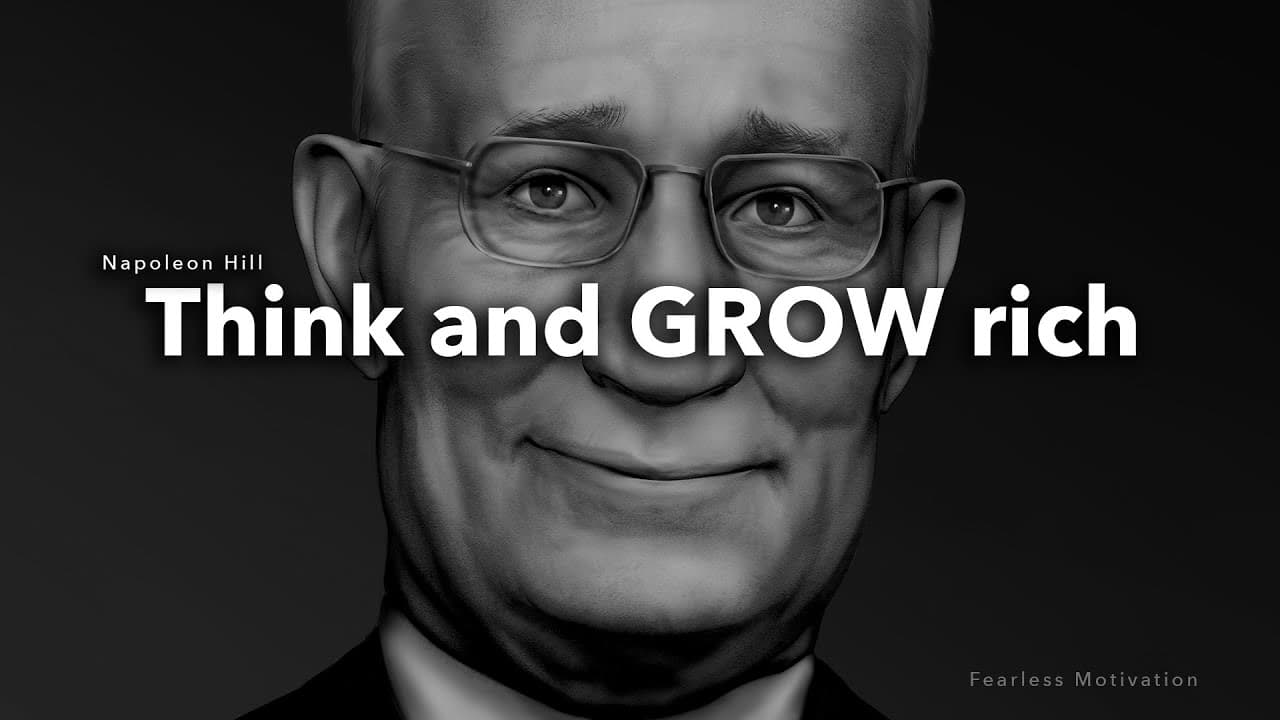
TL;DR
Achievement starts with a strong desire, then depends on patient, persistent effort directed by clear goals and deadlines. Treat temporary defeat as evidence that a plan needs rebuilding, shape daily habits around the future you want, keep pursuing knowledge, and begin with the tools available instead of waiting for perfect conditions.
Transcript
the starting point of all achievement is desire keep this constantly in mind weak desires bring weak results just as a small fire makes a small amount of heat without desire there is no fire the fire within can only come out when you really want it to that's why the start of anything great is the moment that you decide you have to have it that burn... Read More
Key Insights
- Strong desire is the starting point of achievement because weak desires produce weak results. Meaningful progress begins when a person firmly decides that a goal must be attained and develops the inner drive needed to act consistently.
- Patience, persistence, and perspiration form an effective combination for success. A person who refuses to stop fighting does not treat slow progress as final failure, but continues working with patience for results and urgency in daily effort.
- Growth comes through continuous effort and struggle. Adversity, failure, and heartache can contain the basis of an equal or greater benefit when a person uses difficult experiences to develop pride, character, and a stronger approach.
- Daily habits are indicators of future direction. The ways people use spare time and money reveal whether their routines are designed to move them toward the life they want or keep them from reaching it.
- A goal is a dream with a deadline. An effective deadline should be difficult enough to prompt immediate action but realistic enough to attain, requiring personal development without making the intended result impossible.
- Temporary defeat is a signal that a plan may be unsound. The productive response is to accept responsibility, identify lessons, rebuild the plan, clarify the path, and begin moving toward the desired goal again.
- Mindset is a major asset for ambitious achievement. People can refuse limits imposed by family, friends, or society, believe they can attempt what has not been done, and become the first source of belief in their own efforts.
- Continuous learning supports the pursuit of success. Progress requires humility about what remains unknown, curiosity toward books, teachings, and conversations, and deliberate contact with people who encourage constructive thought and action.
Install to Summarize YouTube Videos and Get Transcripts
Explore YouTube Video Summarizer or Get YouTube Transcript Extractor
Questions & Answers
Q: How does desire become the starting point of achievement?
Desire becomes the starting point of achievement when it develops into a firm decision that a goal must be attained. Weak desire produces weak results, just as a small fire produces little heat. A burning inner desire supplies the spark for action, giving a person a reason to begin, persist, and keep working toward something important.
Q: Why are patience and persistence important for success?
Patience and persistence allow a person to continue when results do not appear immediately. Patience means accepting that success may take time, while persistence means continuing the necessary work instead of quitting. Combined with perspiration, or sustained effort, these qualities make victory possible because temporary delay is not treated as permanent failure.
Q: How can failure and adversity contribute to personal growth?
Failure and adversity contribute to growth by creating challenges that demand greater effort, reflection, and character. Every setback can contain the basis of an equal or greater benefit when its lesson is recognized. People who keep pursuing meaningful goals can gain pride and character through struggle, even before they achieve the result they originally wanted.
Q: How can daily habits predict where someone will be in ten years?
Daily habits reveal the direction in which a person's life is moving. The use of spare time and money shows what is being prioritized and repeatedly reinforced. Strong routines designed around a desired future gradually move a person toward it, while habits that do not support that future are unlikely to produce the intended life.
Q: What makes a goal different from a dream or wish?
A goal differs from a dream or wish because it includes a deadline and a serious commitment to action. The deadline should create enough difficulty to inspire immediate movement while remaining attainable. A meaningful goal also requires growth, since the person setting it may need to develop new abilities, habits, or discipline to reach it.
Q: What should you do when temporary defeat occurs?
Temporary defeat should be treated as a signal that the current plan may not be sound. Take responsibility, identify what could be improved, and use the experience as a lesson. Then rebuild the plan, clarify the path, and set out toward the goal again. Persistence after revision can produce stronger results on the next attempt.
Q: How can someone develop a mindset for ambitious goals?
A mindset for ambitious goals begins with believing that achievement is possible and refusing to accept limits imposed by family, friends, society, or previous experience. If something has not been done, a person can believe they may be first. If others offer no belief, the individual can become the starting source of confidence and action.
Q: Why should you start before conditions are perfect?
Waiting for perfect conditions can prevent action because the time may never feel completely right. The recommended approach is to begin where you stand and use whatever tools are currently available. By performing even small tasks well and continuing forward, better tools can be discovered and the path can become clearer as the work progresses.
Summary & Key Takeaways
-
Strong desire provides the starting point for achievement, but desire must be supported by patience, persistence, and sustained work. Challenges, failures, and heartache can produce growth when they are treated as lessons rather than final outcomes. Refusing to quit turns temporary defeat into another opportunity to improve the plan.
-
Daily choices reveal the direction of a person's future. Intentional use of spare time and money can build habits that move life toward desired goals. A meaningful goal needs a deadline that is difficult but attainable, requiring the person pursuing it to grow through disciplined and positive effort.
-
Success requires personal responsibility, self-mastery, continued learning, and immediate action. People should protect their minds, seek constructive influences, remain humble enough to learn, and work with their available tools. Great outcomes can begin with small actions performed well, while better tools and clearer paths emerge through continued effort.
Read in Other Languages (beta)
Share This Summary 📚
Summarize YouTube Videos and Get Video Transcripts with 1-Click
Try YouTube Summary with ChatGPT & Claude or YouTube Transcript Generator
Explore More Summaries from Team Fearless 📚






Summarize YouTube Videos and Get Video Transcripts with 1-Click
Try YouTube Summary with ChatGPT & Claude or YouTube Transcript Generator