How to Build a Profitable, Sustainable Business
TL;DR
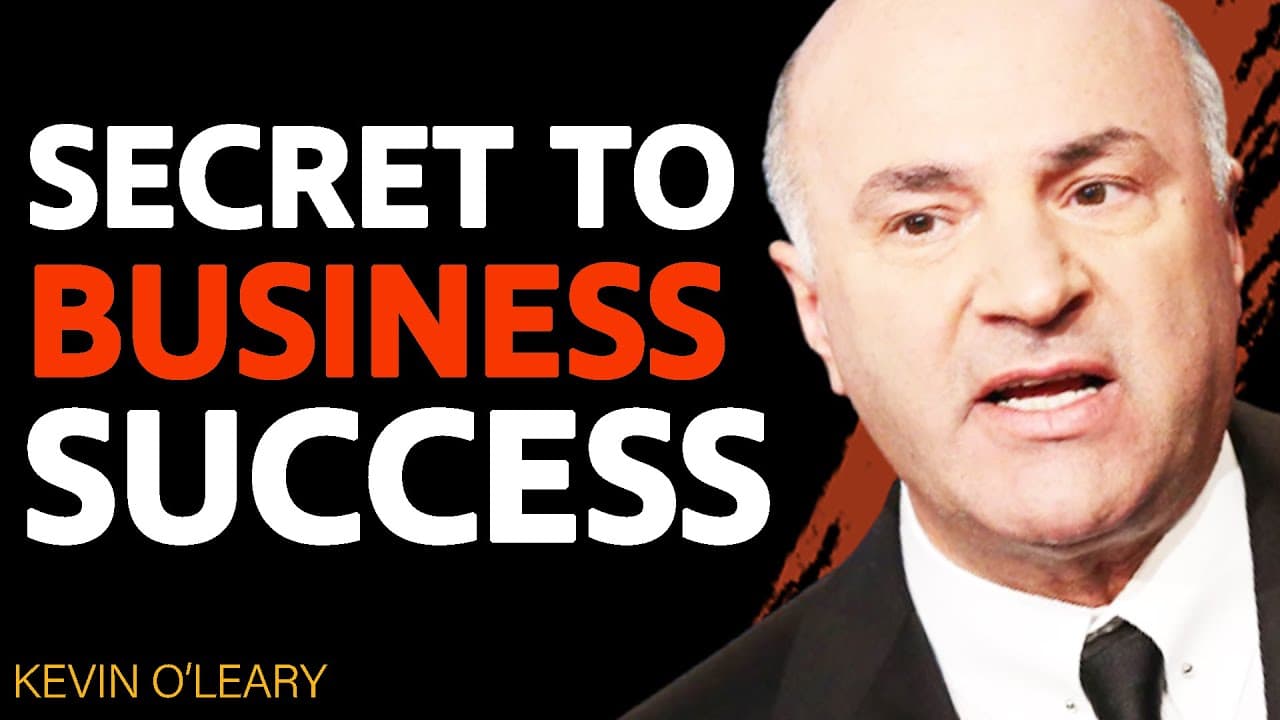
A business must become profitable and sustainable while serving its customers, employees, and shareholders. A social mission can strengthen the model when its costs are built into the income statement and it remains competitive at scale, but making that cause the primary mission can undermine survival. Trust informed instincts, accept failures, cut losses, and use profits to support charitable goals.
Transcript
people bs themselves they say to themselves i'm going to game the system i'm going to tell everybody that if they buy a pair of socks from me i'll give a pair to charity i'll get lots of free press the buyers at walmart will want to see me because i'm doing something good and i'll actually stay in business even though my costs are twice as high as ... Read More
Key Insights
- Business sustainability is a responsibility to customers, employees, and shareholders. Once a founder hires people, serves buyers, and accepts investment, the company must remain viable because its decisions affect continued service, employment, family livelihoods, and invested capital.
- The primary mission of a business is to serve customers, employees, and shareholders. O'Leary argues that elevating a separate social cause above those groups changes the organization's core purpose and may weaken the model when the cause consumes resources needed for competitiveness.
- A social mission is sustainable when it strengthens the customer relationship and is built into the income statement. It must allow the company to compete, raise capital, and scale while continuing to provide its goods or services rather than relying mainly on positive publicity.
- Higher costs can destroy a cause-based business when competitors can deliver similar products more efficiently. Promising that profitability is near does not fix an uneconomic model, especially when the company repeatedly needs additional investment simply to continue operating.
- Profitable entrepreneurship can fund social good after the business has met its obligations. O'Leary favors building a successful company, returning value to shareholders, and then using earned profits to support communities or charitable purposes without compromising the company's operating foundation.
- Business competition produces winners and losers because a company either makes money or loses it. An entrepreneur's immediate responsibility is to build a successful enterprise, take market share, withstand competitors, and generate profits before deciding how those profits should be given back.
- Entrepreneurial judgment depends partly on trusting informed instincts. O'Leary says that repeatedly second-guessing his gut has cost him money, and he connects self-trust with leadership because people following a leader through uncertainty must believe that the leader trusts their own decisions.
- Failure is a useful source of experience when entrepreneurs learn from it without carrying its emotional burden indefinitely. O'Leary prefers founders with multiple failures because the sting and fear associated with failure can motivate stronger judgment, while losing investments should be recognized and sold promptly.
Install to Summarize YouTube Videos and Get Transcripts
Explore YouTube Video Summarizer or Get YouTube Transcript Extractor
Questions & Answers
Q: What is the primary mission of a business?
The primary mission of a business is to take care of its customers, employees, and shareholders while remaining sustainable. Customers rely on continued goods or services, employees depend on their jobs and livelihoods, and shareholders have committed capital. A founder who accepts these relationships assumes a responsibility to preserve the organization rather than allowing another cause to compromise its viability.
Q: How can a business include a social mission sustainably?
A business can include a social mission when it creates a meaningful connection with customers, is accounted for in the income statement, and still permits the company to compete, attract capital, and scale. The cause must become a durable part of the commercial model. It cannot depend only on favorable publicity or repeated fundraising while profitability remains out of reach.
Q: Why do cause-based businesses sometimes fail?
Cause-based businesses can fail when their social commitment raises costs beyond what the commercial model can support. If a company spends far more than competitors to provide a similar product, publicity and goodwill may not produce sustainable profits. Repeated requests for new capital, paired with claims that profitability is approaching, can indicate that the underlying economics do not work.
Q: Should a social cause be a company's primary mission?
O'Leary argues that a social cause should not replace the commercial obligations owed to customers, employees, and shareholders. A cause may complement the business and even strengthen its marketing, but making it the primary mission can alter the company's core purpose. The test is whether the organization remains competitive, profitable, scalable, and capable of serving its stakeholders over time.
Q: When should entrepreneurs give profits to charity?
Entrepreneurs should first create a successful, profitable enterprise that fulfills its responsibilities to customers, employees, and shareholders. O'Leary's preferred model is to generate profits, provide the appropriate return to shareholders, and then pay those gains forward. This approach supports charitable goals without building costs into the company that could threaten its competitiveness or long-term survival.
Q: How should entrepreneurs make difficult decisions?
Entrepreneurs should listen to the judgment they have developed through experience and avoid constantly second-guessing themselves. O'Leary describes this instinct as a kind of entrepreneurial sense for what is right or wrong. It is not guaranteed to succeed, but decisive self-trust matters because leadership requires other people to follow confidently through uncertain and difficult situations.
Q: How should business owners respond to failure?
Business owners should acknowledge failure, extract whatever lesson it offers, and avoid letting it become a continuing emotional burden. When an investment is clearly losing, O'Leary favors selling it rather than allowing the loss to continue. He sees prior failures as valuable preparation because their sting can introduce caution, fear, and motivation into future decision-making.
Q: Can profit and public service coexist in health care or education?
Profit and service can operate in parallel when a successful organization uses its resources to hire capable people and provide strong goods or services. O'Leary's response links growth and profitability with reinvestment in staff. Under this view, earning money is not opposed to helping people because financial success can support the skilled workforce needed to deliver the service.
Summary & Key Takeaways
-
Kevin O'Leary argues that creating a business and providing jobs is a noble pursuit, but it creates serious obligations. Once a company has customers, employees, and shareholders, its leaders must protect the enterprise's sustainability. Customers need continued service, employees depend on their jobs, and shareholders expect responsible stewardship of their capital.
-
A social purpose can work when it creates a genuine customer connection, fits within the company's income statement, preserves competitiveness, supports fundraising, and remains viable at scale. The danger arises when entrepreneurs rely on publicity or promised future profitability while accepting costs that are substantially higher than those of their competitors.
-
Entrepreneurs must make difficult decisions with conviction, learn from mistakes, and quickly abandon investments or strategies that keep losing money. O'Leary values founders who have experienced multiple failures because failure can sharpen judgment and motivation. He also argues that profit and service can coexist because successful organizations can reinvest in capable people.
Read in Other Languages (beta)
Share This Summary 📚
Summarize YouTube Videos and Get Video Transcripts with 1-Click
Try YouTube Summary with ChatGPT & Claude or YouTube Transcript Generator
Explore More Summaries from Kevin O'Leary 📚


Summarize YouTube Videos and Get Video Transcripts with 1-Click
Try YouTube Summary with ChatGPT & Claude or YouTube Transcript Generator