Is China Gaining Power from the Ukraine War?
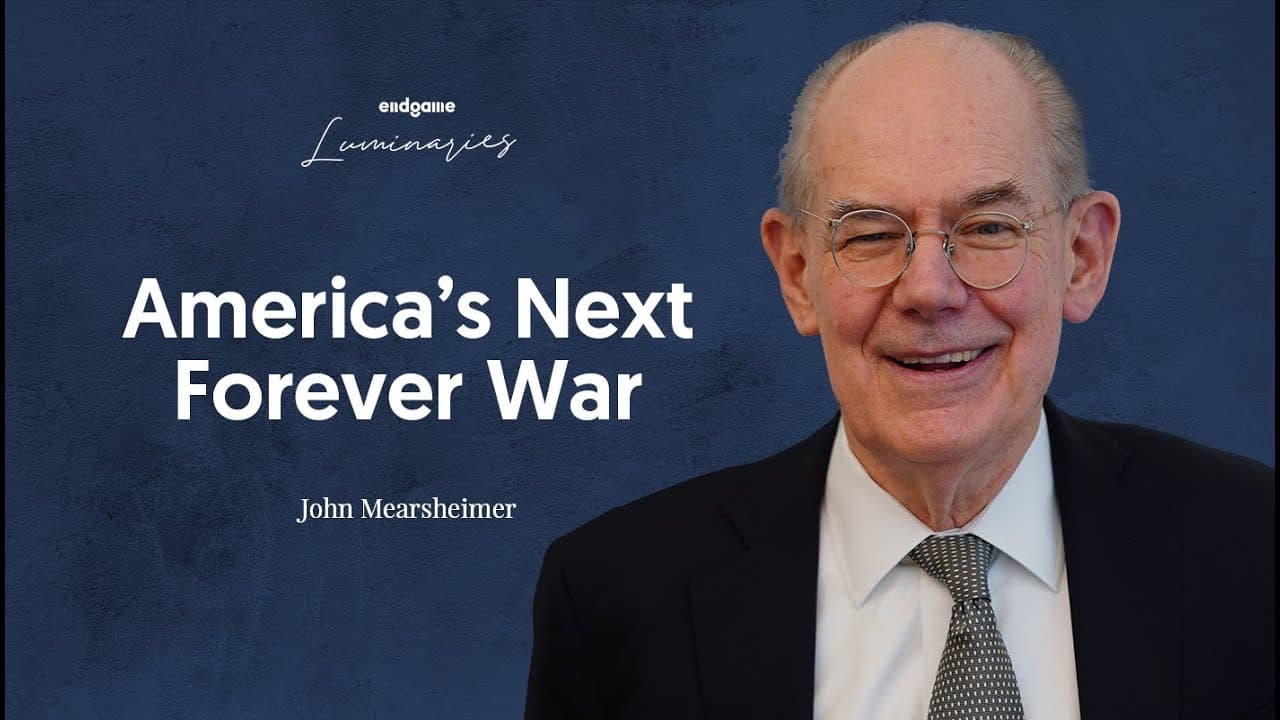
TL;DR
Yes, China benefits from the prolonged Ukraine conflict as it distracts the U.S. from focusing on Asia, potentially altering global power dynamics. Mearsheimer argues that ongoing tensions could result in a new Cold War scenario, with separate Chinese and American-led orders. The U.S.'s failure to recognize realist principles in foreign policy has exacerbated these geopolitical issues.
Transcript
The war in Ukraine is likely to go on for a long long time. So I think the best you can hope for just focusing on Ukraine and Russia is a cold peace. That is good news for the Chinese. The Chinese are the winners so far in this war. So if you think about it, what's happening here is that you're reverting back to a situation that looks a lot like th... Read More
Key Insights
- The Ukraine war may persist, resulting in a cold peace, which benefits China by distracting the U.S. from Asia.
- John Mearsheimer emphasizes realism in international relations, focusing on power dynamics over ideological differences.
- The U.S. pursued liberal hegemony during the unipolar moment, disregarding realist principles, which led to current geopolitical tensions.
- China's rise challenges the U.S.-led global order, leading to a new Cold War-like situation with separate regional orders.
- NATO expansion eastward is viewed by Russia as a threat, contributing to the Ukraine conflict and increased tensions.
- Mearsheimer argues that U.S. foreign policy mistakes have pushed Russia and China closer, creating a strategic partnership.
- The potential for conflict in Asia, particularly over Taiwan and the South China Sea, remains high due to competing interests.
- Mearsheimer suggests that the economic and political costs of the Ukraine war may eventually influence Western public opinion and policy.
- More videos with John Mearsheimer:
Install to Summarize YouTube Videos and Get Transcripts
Explore YouTube Video Summarizer or Get YouTube Transcript Extractor
Questions & Answers
Q: Why does Mearsheimer believe the Ukraine war benefits China?
Mearsheimer argues that the Ukraine war benefits China because it distracts the United States from focusing on Asia, where China is a rising power. The prolonged conflict ties up U.S. resources and attention in Europe, allowing China to strengthen its position in Asia without as much interference from the United States.
Q: What is Mearsheimer's view on NATO expansion?
Mearsheimer views NATO expansion as a significant threat to Russia, contributing to the Ukraine conflict. He argues that expanding NATO closer to Russia's borders was perceived by Russia as an existential threat, leading to heightened tensions and conflict. Mearsheimer believes this expansion was a strategic mistake by the West.
Q: How does Mearsheimer describe the relationship between Russia and China?
Mearsheimer describes the relationship between Russia and China as one of asymmetric interdependence. While Russia is more dependent on China, both countries have strategic interests in cooperating against U.S. influence. This partnership has been strengthened by U.S. policies that have pushed them closer together, particularly in response to the Ukraine conflict.
Q: Why does Mearsheimer emphasize realism in international relations?
Mearsheimer emphasizes realism because he believes that international relations are primarily driven by power dynamics rather than ideological differences. Realism focuses on the importance of states maximizing their relative power to ensure their survival. Mearsheimer argues that ignoring these principles has led to strategic missteps by the United States.
Q: What are the potential flashpoints for conflict in Asia according to Mearsheimer?
According to Mearsheimer, potential flashpoints for conflict in Asia include Taiwan and the South China Sea. He highlights that Taiwan is a significant strategic interest for both China and the United States, and tensions could escalate if provoked. The South China Sea is another area where Chinese militarization and territorial claims could lead to conflict with neighboring countries and the U.S.
Q: How does Mearsheimer view the economic impact of the Ukraine war on the West?
Mearsheimer suggests that the economic impact of the Ukraine war, including rising costs and government debt, could influence public opinion and policy in the West. He argues that the financial strain may lead to increased dissatisfaction among citizens, potentially affecting political calculations and support for the war effort over time.
Q: What is Mearsheimer's criticism of U.S. foreign policy during the unipolar moment?
Mearsheimer criticizes U.S. foreign policy during the unipolar moment for pursuing liberal hegemony and disregarding realist principles. He argues that the U.S. acted in a liberal fashion, focusing on spreading democracy rather than maintaining a balance of power, which has led to current geopolitical tensions and strategic challenges.
Q: Why does Mearsheimer believe the current global situation is more dangerous than the Cold War?
Mearsheimer believes the current global situation is more dangerous than the Cold War because of the lack of appreciation for the limits of power by U.S. policymakers. He argues that strategic mistakes, such as NATO expansion and pushing Russia and China closer together, have created a more volatile and unpredictable international environment, increasing the risk of conflict.
Summary & Key Takeaways
-
John Mearsheimer discusses the prolonged Ukraine conflict, suggesting it benefits China by diverting U.S. attention from Asia. He emphasizes a return to Cold War dynamics with separate Chinese and American-led orders. Mearsheimer critiques U.S. foreign policy for ignoring realist principles, leading to current geopolitical tensions.
-
Mearsheimer explains realism in international relations, focusing on power dynamics rather than ideological differences. He argues that NATO's eastward expansion is a threat to Russia, contributing to the Ukraine conflict. He also highlights the strategic partnership between Russia and China as a result of U.S. policy.
-
Mearsheimer warns of high potential for conflict in Asia, particularly over Taiwan and the South China Sea. He suggests that the economic and political costs of the Ukraine war may eventually influence Western public opinion and policy. Mearsheimer criticizes U.S. policy for pushing Russia and China closer together.
Read in Other Languages (beta)
Share This Summary 📚
Summarize YouTube Videos and Get Video Transcripts with 1-Click
Try YouTube Summary with ChatGPT & Claude or YouTube Transcript Generator
Explore More Summaries from Gita Wirjawan 📚




Summarize YouTube Videos and Get Video Transcripts with 1-Click
Try YouTube Summary with ChatGPT & Claude or YouTube Transcript Generator