What Are the Hidden Consequences of COVID-19 Policies?
TL;DR
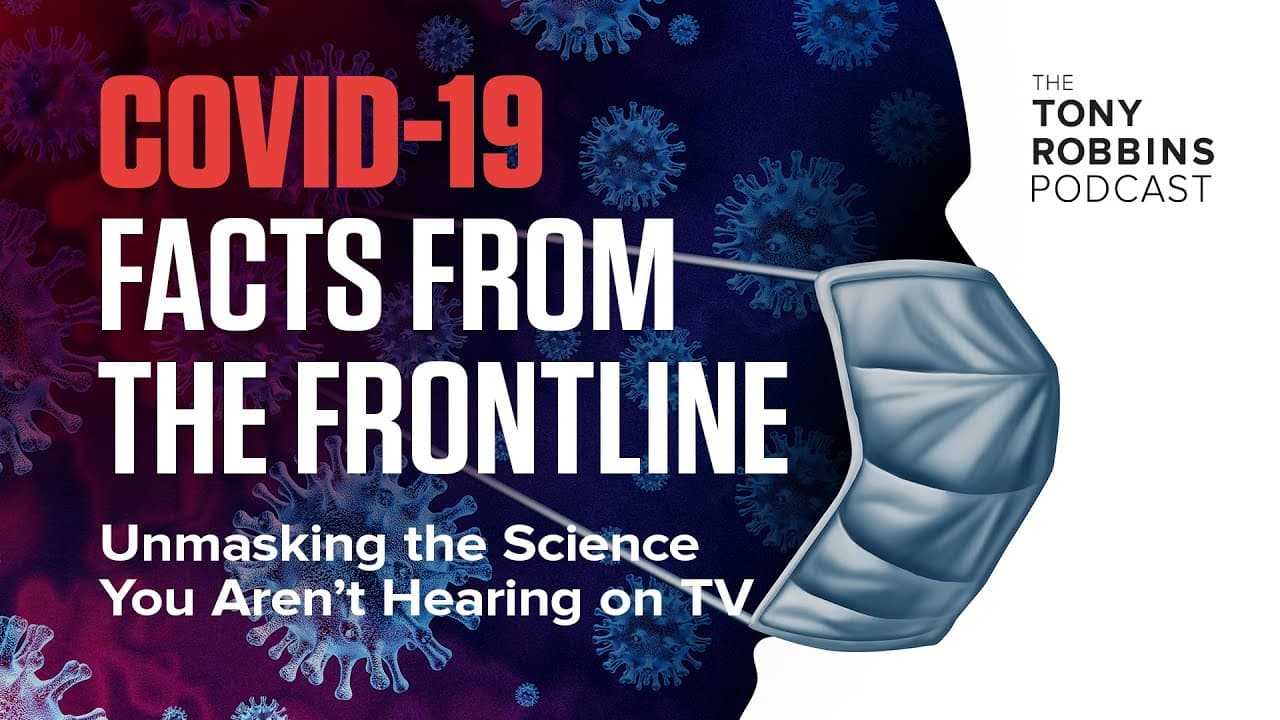
The COVID-19 pandemic has not only increased deaths but also led to significant collateral damage, including rising poverty, postponed medical procedures, and increased mental health issues. Many experts argue that early shutdown decisions were driven by fear rather than scientific evidence, suggesting a need for more targeted protection for vulnerable populations while reopening the economy to mitigate further harm.
Transcript
(somber music) - This may be one of the more important podcasts we've done. We all know we're living in extraordinarily intense times, the most intense most of us have experienced, at least in our adult lives. The challenge that we're experiencing today are as intense as we've ever seen, and the challenge is not only people are dying, but people ar... Read More
Key Insights
- 😷 The COVID-19 pandemic poses significant challenges, including emotional distress caused by individuals dying alone and the postponement of critical medical procedures.
- 😨 The decisions made to shut down the economy might have been influenced by fear and a lack of scientific understanding.
- 🤕 Case fatality rates and age distribution highlight the need for targeted protection measures and consideration of collateral damage caused by economic shutdowns.
Install to Summarize YouTube Videos and Get Transcripts
Explore YouTube Video Summarizer or Get YouTube Transcript Extractor
Questions & Answers
Q: What are the challenges faced by families due to COVID-19?
Families are facing the challenge of not being able to visit their hospitalized family members, leading to individuals dying alone. This brings emotional distress and separation during a critical time.
Q: How has the global response to COVID-19 affected brain surgeries?
Approximately 90% of brain surgeries have been postponed or canceled due to the prioritization of COVID-19 cases and concerns about virus transmission. This delay in necessary medical procedures poses additional risks to patients.
Q: What are the potential consequences of the COVID-19 pandemic on food security?
The World Food Organization predicts that 265 million people may go hungry this year, nearly double the usual number. The economic impact, poverty rates, and disruptions in food production and supply chains contribute to this alarming possibility.
Q: How has the case fatality rate of COVID-19 been misrepresented?
The calculation of case fatality rates using incident rates instead of prevalence has led to an overestimation of the virus's lethality. The media's failure to address this issue with experts has resulted in public fear and misconceptions.
Q: Why is the economic shutdown causing collateral damage?
The collateral damage from the economic shutdown includes increased suicide cases, mental health issues, alcoholism, and poverty-related deaths. The negative effects on the economy are outweighing the risks posed by the virus.
Q: How has the classification of COVID-19 deaths impacted the reported numbers?
There have been reports of hospitals reclassifying deaths as COVID-19-related to access financial incentives. This practice may lead to an overrepresentation of COVID-19 deaths and misleading data.
Q: How can a better understanding of the disease help make informed decisions?
Priorities should include accurate counting of deaths, understanding immunity, age distribution, and other factors. Informed decision-making based on reliable data can lead to better management of the pandemic.
Q: How can individuals maintain resilience in challenging times?
Despite the crisis, it is important to remember our resilience as human beings. Expressing gratitude, finding joy, and focusing on quality of life can help navigate the challenges brought by COVID-19.
Summary & Key Takeaways
-
The COVID-19 pandemic has led to increased deaths and individuals dying alone, while also impacting the world economy, brain surgeries, food security, and poverty rates.
-
Experts believe that some decisions made to shut down the economy were influenced by fear and anti-scientific sentiments, calling for a reevaluation based on new data.
-
The case fatality rates and impact on different age groups suggest a need to focus protection efforts on vulnerable populations while considering the collateral damage caused by economic shutdowns.
Read in Other Languages (beta)
Share This Summary 📚
Summarize YouTube Videos and Get Video Transcripts with 1-Click
Try YouTube Summary with ChatGPT & Claude or YouTube Transcript Generator
Explore More Summaries from The Tony Robbins Podcast 📚

Summarize YouTube Videos and Get Video Transcripts with 1-Click
Try YouTube Summary with ChatGPT & Claude or YouTube Transcript Generator