Supercritical CO2 caffeine extraction (negative result -- more work needed)
TL;DR
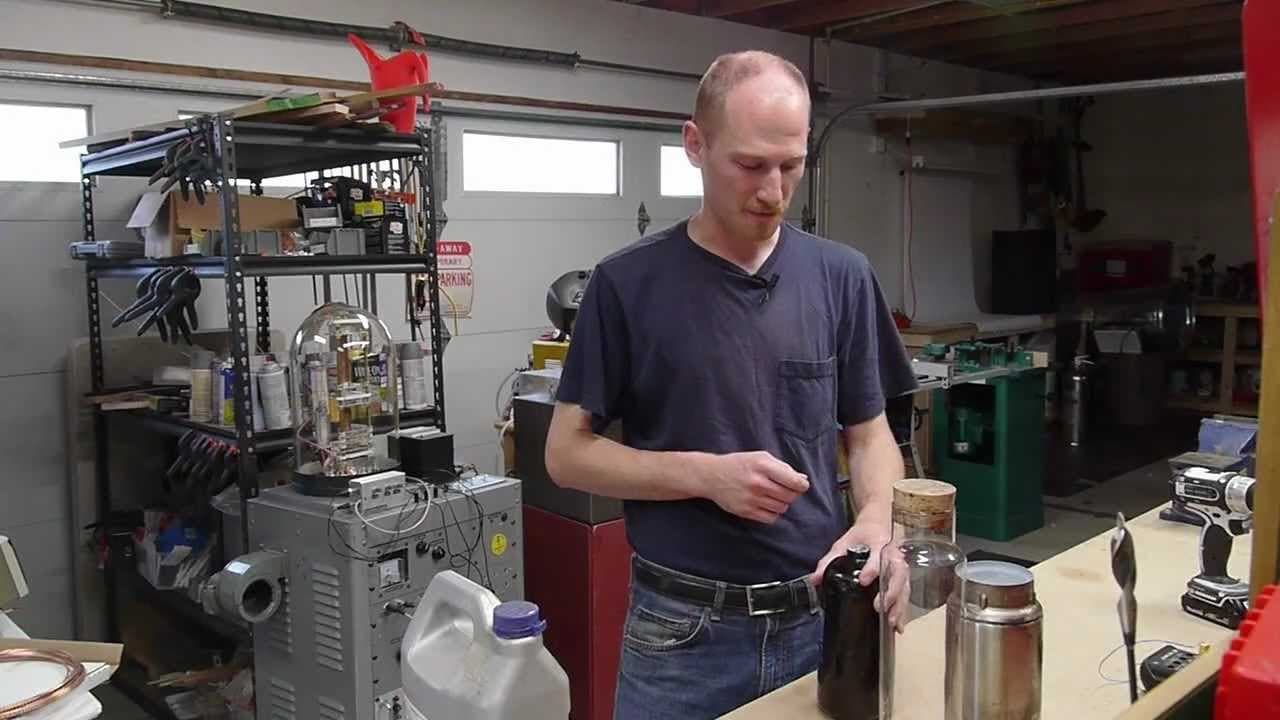
The content discusses an unsuccessful experiment to extract caffeine from green coffee beans using a high-pressure tank and supercritical CO2.
Transcript
hey everyone I know no one likes to see negative results but I think it's always important to publish these things so that you know what not to do what I'm I attempted was to extract caffeine from green coffee beans so I got some green coffee beans and I got this tank here which is made for paintball guns this is made to hold nitrogen compressed ni... Read More
Key Insights
- ✋ Welding the high-pressure tank was not considered due to concerns about affecting the tank's strength and the difficulty in welding thick metal.
- 🥶 Dry ice and a solvent mixture of water, ethanol, and vodka were used to create a supercritical fluid for the extraction process.
- 🫘 The beans that came out of the chamber appeared rubberized and discolored, but no detectable caffeine was found in the extracted solution.
Install to Summarize YouTube Videos and Get Transcripts
Explore YouTube Video Summarizer or Get YouTube Transcript Extractor
Questions & Answers
Q: What was the purpose of cleaning the high-pressure tank?
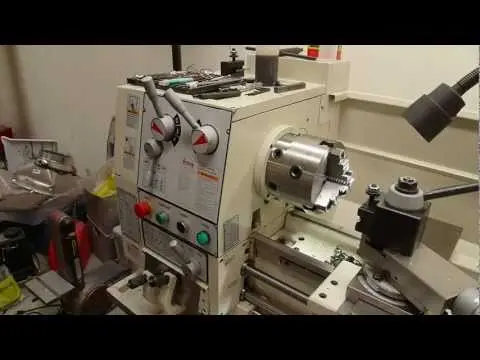
The tank needed to be cleaned to remove dirt and debris to ensure a clean environment for the extraction process. Steel shot and a cleaning solution were used, and the tank was spun on a lathe to clean the walls effectively.
Q: Why was dry ice used in the extraction process?
Dry ice was used to create a supercritical fluid in the tank, which would enhance the extraction process by swishing the solvent mixture around the beans. It was expected to aid in cleaning the chamber and extracting caffeine from the beans.
Q: What was the reason for using ethanol and water as solvents?
Ethanol and water were commonly used in conjunction with supercritical CO2 for caffeine extraction. The mixture was intended to dissolve caffeine and facilitate its transfer from the beans to the solvent. However, in this experiment, no caffeine was detected in the solution.
Q: What potential method does the content mention for future experiments?
The content suggests converting the chamber into a more suitable vessel by adding a bottom section with water and ethanol. This method, often used in commercial CO2 decaffeination processes, allows the supercritical CO2 to pass through the beans, transferring caffeine into the water.
Summary & Key Takeaways
-
The content describes the process of cleaning a high-pressure tank and preparing it for the extraction experiment.
-
The experiment involved using dry ice and a solvent mixture of water, ethanol, and vodka to extract caffeine from green coffee beans.
-
After six hours of extraction, there was no detectable caffeine in the solution obtained, leading to an unsuccessful outcome.
Read in Other Languages (beta)
Share This Summary 📚
Summarize YouTube Videos and Get Video Transcripts with 1-Click
Try YouTube Summary with ChatGPT & Claude or YouTube Transcript Generator
Explore More Summaries from Applied Science 📚
Summarize YouTube Videos and Get Video Transcripts with 1-Click
Try YouTube Summary with ChatGPT & Claude or YouTube Transcript Generator