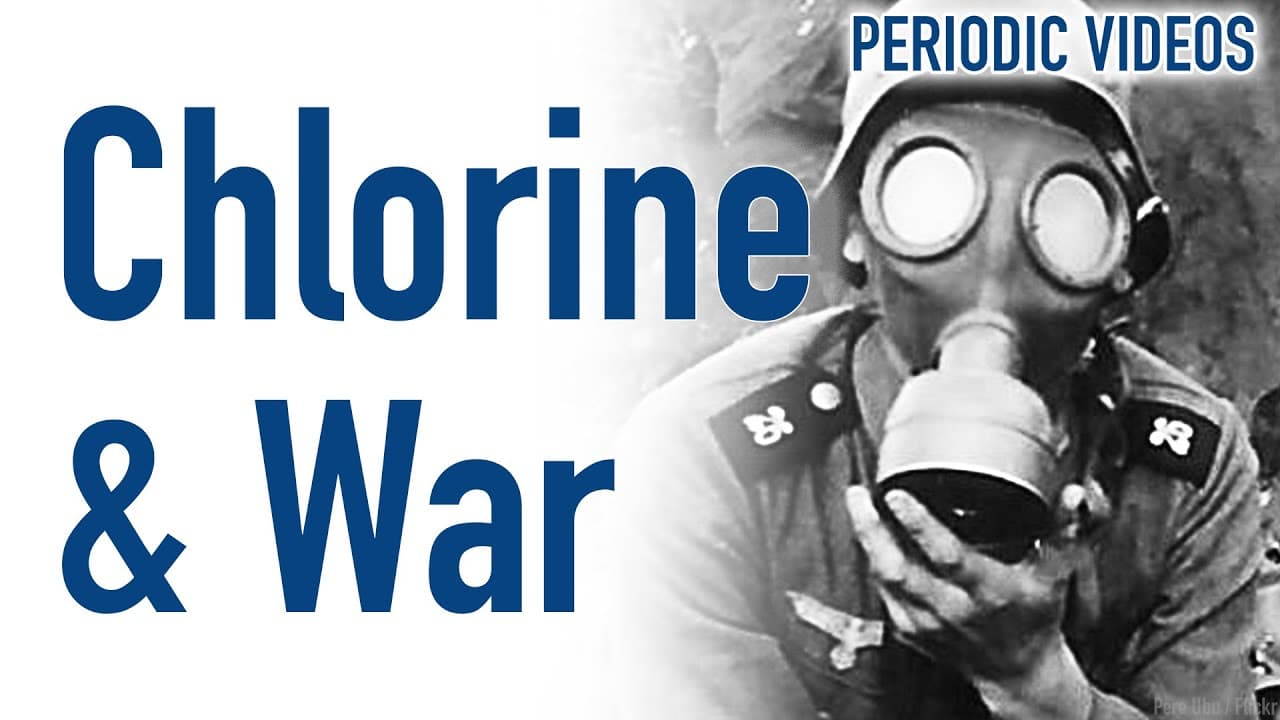
What Was the Impact of Chlorine Gas in WWI?
TL;DR
Chlorine gas, first used as a chemical weapon in WWI by Germany on April 22, 1915, caused severe injuries and deaths among French troops, marking a new era of chemical warfare. Despite its brutal effects, chlorine continues to be misused in modern conflicts, such as in Syria, highlighting ongoing concerns about chemical weapons and the ethical responsibilities of chemists.
Transcript
April the 22nd 2015 is the anniversary of a very sad and unpleasant event in warfare it is the hundredth anniversary of the first use of chlorine as a poison gas in the First World War it was used by the Germans in an attack on French troops outside the Belgian city of Ypres which in the first world war the English soldiers called wipers because th... Read More
Key Insights
- ❓ The first use of chlorine gas in WWI marked the beginning of chemical warfare, leading to devastating effects on troops.
- 🫢 Fritz Haber's fascination with chemical warfare led to the deployment of chlorine gas as a weapon in WWI.
- 🫢 The continued use of chlorine gas in modern conflicts, like in Syria, showcases the ongoing misuse of chemical weapons.
- 🫢 Despite its primitive nature, chlorine gas remains a potent weapon when used against unprotected civilians.
- 🫢 The horrors of chemical warfare in WWI led to the development of even more lethal chemical weapons like mustard gas in subsequent conflicts.
- 🍂 The ethical responsibility falls on chemists to ensure that chemical discoveries are used for societal benefit, not destruction.
- 🔫 The widespread availability of chlorine industrially makes it an easy and cheap option for those seeking to cause harm through chemical weapons.
Install to Summarize YouTube Videos and Get Transcripts
Explore YouTube Video Summarizer or Get YouTube Transcript Extractor
Questions & Answers
Q: Who was responsible for the first use of chlorine gas in WWI?
Fritz Haber, a chemist known for the Haber Process, endorsed the idea of using chlorine gas as a weapon, leading to its deployment by the Germans in WWI.
Q: How did soldiers initially react to the unexpected chlorine gas attack in WWI?
Initially unprepared, soldiers resorted to primitive measures like covering their faces with urine-soaked handkerchiefs to mitigate the effects of chlorine gas.
Q: How did the use of chlorine gas in WWI mark a shift towards chemical warfare?
The use of chlorine gas in WWI opened the doors to chemical warfare, prompting both sides to develop and deploy chemical weapons on the battlefield.
Q: What current events show the continued misuse of chlorine as a chemical weapon?
Recent reports from Syria indicate the use of barrel bombs containing chlorine gas, highlighting the ongoing misuse of chemical weapons in modern conflicts.
Summary & Key Takeaways
-
On April 22, 1915, the Germans used over 100 tons of chlorine gas as a chemical weapon in WWI, causing horrific effects on French troops.
-
Fritz Haber, a renowned chemist, was behind the idea of using chlorine as a weapon, leading to widespread casualties.
-
Despite its cruel use in warfare, chlorine continues to be misused as a chemical weapon, as seen in recent events in Syria.
Read in Other Languages (beta)
Share This Summary 📚
Summarize YouTube Videos and Get Video Transcripts with 1-Click
Try YouTube Summary with ChatGPT & Claude or YouTube Transcript Generator
Explore More Summaries from Periodic Videos 📚




Summarize YouTube Videos and Get Video Transcripts with 1-Click
Try YouTube Summary with ChatGPT & Claude or YouTube Transcript Generator