What Are the World's Biggest Dinosaurs in Jurassic World?
TL;DR
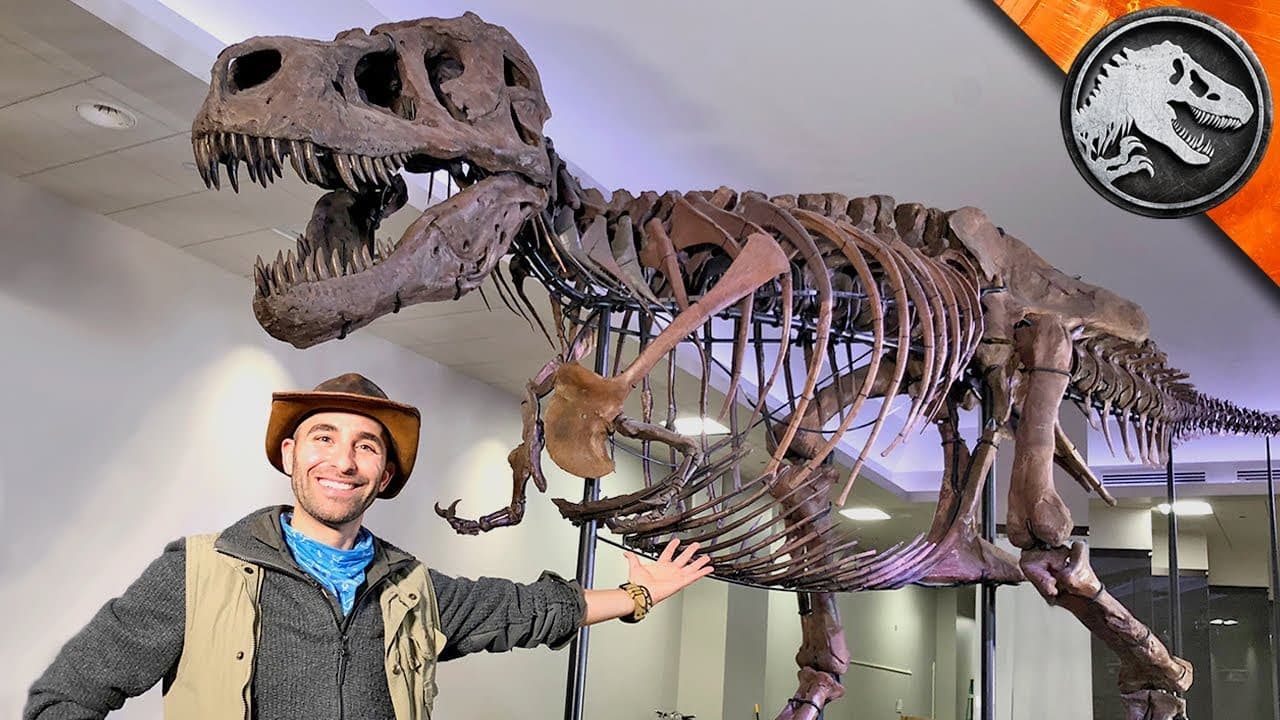
Explore iconic dinosaurs like the Stegosaurus, Triceratops, and Tyrannosaurus rex in the largest dinosaur collection at the Chicago Field Museum. The Stegosaurus used its plates for display, while the Triceratops' frill served for combat. The T. rex, the exhibition's highlight, is remarkably powerful with 8,000 pounds of bite force and a stunning skeletal structure.
Transcript
- The Jurassic World franchise has brought to life some of the most iconic dinosaur species of all time. I'm sure that we all have our favorites. Perhaps yours is the giant, yet gentle, brachiosaurus, and how its first appearance on screen will forever be hailed as one of the most awe-inspiring moments in cinema history. Or maybe it's the highly in... Read More
Key Insights
- 👻 The Chicago Field Museum houses one of the world's largest collections of artifacts and specimens, including a remarkable hall of dinosaurs.
- 🧡 The purpose of the Stegosaurus' plates and spikes remains a mystery, with theories ranging from thermal regulation to display and intimidation.
- 😈 Triceratops used its horns and frill for combat, primarily battling with individuals of the same species.
- 😴 The Tyrannosaurus rex was a powerful predator with a tail for balance, feet for pinning down prey, and jaws capable of exerting 8,000 pounds of biting force.
- 🦕 The Jurassic World franchise is inspired by the real-world discoveries of dinosaur fossils and the wonders they bring to our imaginations.
- 🤗 Sue, the Field Museum's T. rex skeleton, is considered the crown jewel of their collection and is now open to the public.
- 🦕 The Jurassic World films have brought dinosaurs back to life through creative storytelling and special effects.
Install to Summarize YouTube Videos and Get Transcripts
Explore YouTube Video Summarizer or Get YouTube Transcript Extractor
Questions & Answers
Q: What was the purpose of the plates and spikes on the Stegosaurus?
The purpose of the Stegosaurus' plates and spikes remains a mystery. Initially, they were thought to regulate body temperature, but they seem to be more for display and intimidation, making the dinosaur look bigger and scaring away rivals.
Q: How did the Triceratops use its horns and frill?
The horns on the Triceratops were likely used for battle and protection against predators. The frill, with its various theories, is believed to be related to combat as well, particularly in fights between Triceratops individuals.
Q: How fast could a Tyrannosaurus rex move?
While there are debates, it is estimated that a Tyrannosaurus rex could move at a speed of 12 to 25 miles per hour, which is still faster than a human. However, it is unlikely that it could reach the 32 miles per hour depicted in some Jurassic films.
Q: What was the purpose of the Tyrannosaurus rex's frill?
The frill of a Tyrannosaurus rex did not serve the same purpose as frogs' frills. It is believed to have been related to visual acuity and potentially aided in binocular vision, allowing the dinosaur to look directly ahead and track its prey.
Summary & Key Takeaways
-
The Chicago Field Museum holds one of the world's largest collections of dinosaur fossils, making it the perfect location to explore iconic dinosaurs from the Jurassic World franchise.
-
Paleontologist Brian Switak guides the exploration, starting with the Stegosaurus, discussing its plates and spikes and their purpose for display and intimidation.
-
The Triceratops is another beloved dinosaur, recognized for its horns and frill. The frill is believed to be used for combat during fights between Triceratops individuals.
-
The journey ends with the Tyrannosaurus rex, as Coyote Peterson and Brian Switak marvel at the size and power of the T. rex skeleton, discussing its tail, feet, and jaws.
Read in Other Languages (beta)
Share This Summary 📚
Summarize YouTube Videos and Get Video Transcripts with 1-Click
Try YouTube Summary with ChatGPT & Claude or YouTube Transcript Generator
Explore More Summaries from Brave Wilderness 📚





Summarize YouTube Videos and Get Video Transcripts with 1-Click
Try YouTube Summary with ChatGPT & Claude or YouTube Transcript Generator